ARTS / ART
Image of the horse a natural continuation of historical ties among SCO member states: SCO chief
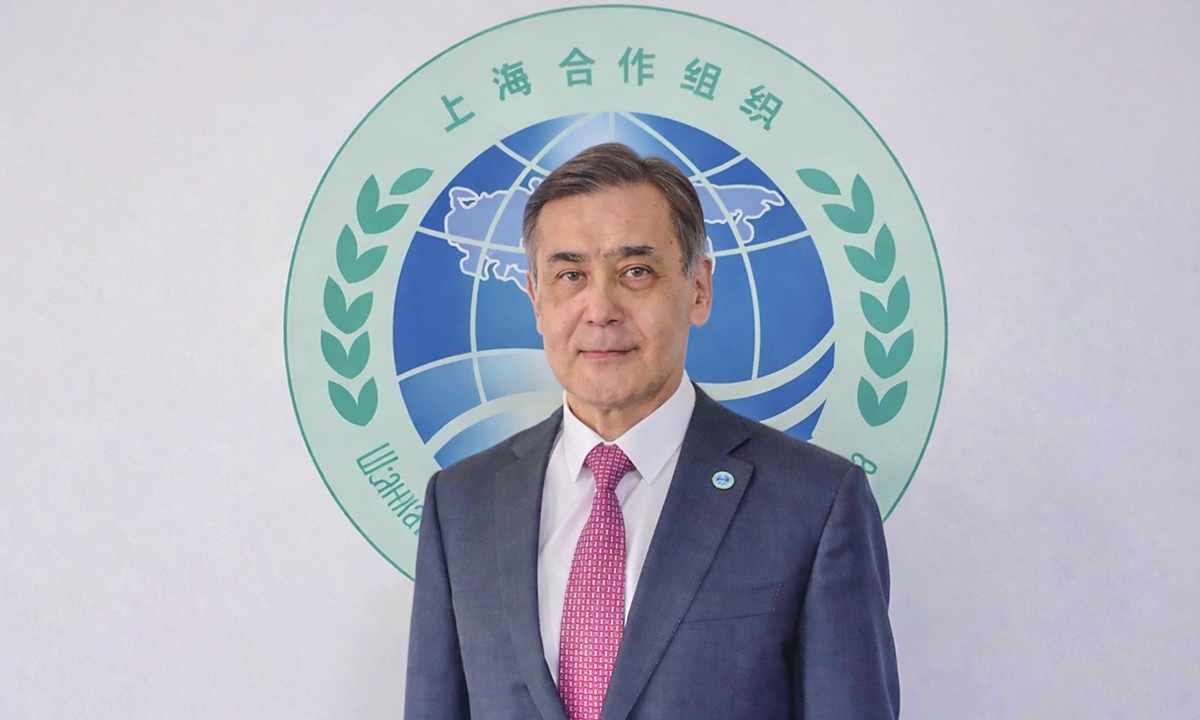
Nurlan Yermekbayev, secretary general of the Shanghai Cooperation Organisation Photo: Courtesy of the Shanghai Cooperation Organization Secretariat
For centuries, the horse has played a unique role in the history of many nations of Eurasia. It was not only a faithful companion to humans, but also a bridge between cultures facilitating the development of trade, inter-civilizational links, as well as supporting military activities.The horse has a special place in the nomadic cultures of Central Asia as well as in East Asia. There, it is not merely a means of transportation or a comrade in battle, but a symbol of freedom, dignity, endurance, and vital energy.
Folk games, traditional competitions, rituals, and festivals involving horses constitute a living heritage that continues to unite generations. Today, the traditions of horse riding, racing, and team contests are preserved and developed through modern initiatives such as the World Nomad Games which gained recognition as an intangible cultural heritage and do enjoy the support of UNESCO as an important mechanism of safeguarding and promoting ethno-cultural traditions.
The 2026 World Nomad Games will become one of the key cultural and athletic events in Central Asia. The Games to be held in the Kyrgyz Republic will coincide with the country's presidency in the Shanghai Cooperation Organization (SCO), adding symbolism and significance regionally and internationally.
It is also important to note the historical dimension. According to archaeological and genetic research, it was in the territory of the present Kazakhstan, during the era of the Botai culture approximately five thousand years ago, that humans began to use the horse not only as an object of hunt but also as a means of transportation, and subsequently this animal was domesticated. This became a turning point in the development of the human civilization and opened a new era of mobility, exchange, and cultural interaction across the vast territories of Eurasia.
In this context, the development of cultural and humanitarian cooperation associated with the image of the horse is a natural continuation of historical ties and contributes to strengthening good-neighborly relations among the SCO member states and their partners.
Both in China and in many other SCO member states, the horse is perceived not only as a helper to humans, but also as a spiritual symbol. It is associated with commitment, diligence, forward movement, and the unity between humans and nature.
In the cultures of the Central Asia and other SCO countries, the horse occupies an important place in epics, ornaments, and applied arts, reflecting respect for labor, freedom, and responsibility to one's relatives and land. This similarity highlights a deep commonality of the cultural codes shared by our peoples.
Chun Jie (Spring Festival) is rightfully considered as the most important festival in Chinese culture and is widely celebrated not only in China, but also in many countries of East and Southeast Asia.
What I especially appreciate in Chun Jie is its emphasis on family reunification. This tradition closely resonates with the values inherent in the peoples of SCO countries, where family, respect for the elders, and inter-generational continuity have a central place.
In my view, the core meaning of Chun Jie traditions lies in a harmonious link between the past, present, and future.
It is particularly these values - mutual respect, solidarity, responsibility, and commitment to creation - that underpin the cultural dialogue among SCO countries and form a solid basis for further consolidation of our peoples.
Global Times
RELATED ARTICLES