ARTS / CULTURE & LEISURE
Why we still need long dramas in the age of ‘addictive’ short dramas
By Published: Feb 25, 2026 10:26 PM

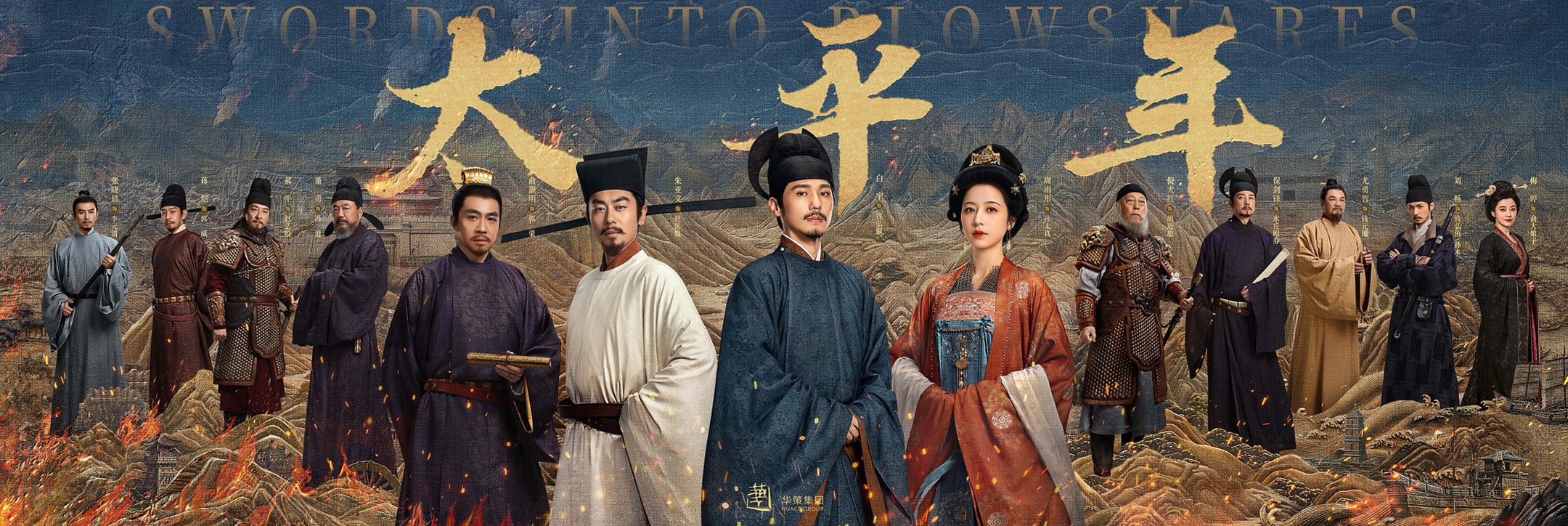
Swords into Plowshares
With episodes lasting just minutes, they offer a convenient, swipe-and-go kind of "satisfaction." Yet, as we indulge in this instant gratification, two landmark long-form Chinese TV series that aired in early 2026, Swords into Plowshares and Born to Be Alive, remind us with their quiet yet monumental power that some values can only be profoundly felt within the expansive dimension of "length."
The appeal of short dramas lies in their precise emotional manipulation and highly compressed storytelling. They function like cultural fast food, swiftly filling idle moments but often leaving little room for digestion or reflection. Their narrative logic primarily serves the dense delivery of "satisfaction points," resulting in flat characters and superficial themes, with greatly diminished space for cultural depth or social observation.
When the pursuit of instant satisfaction becomes the sole objective, depth becomes a luxury. In contrast, Swords into Plowshares and Born to Be Alive demonstrate the irreplaceable depth and substance inherent to traditional TV series. They continue to exist within the realm of "audience time worthy of serious engagement."
Long-form TV series allow for the deep resonance of history and the contemporary activation of cultural DNA. Swords into Plowshares, spanning 48 episodes, meticulously unfolds the story of the turbulent transition from the end of the Five Dynasties (907-960) and Ten Kingdoms (902-979) period to the early Northern Song Dynasty (960-1127).
It marks the first comprehensive screen adaptation of a significant historical event: the Wuyue Kingdom's peaceful integration into the Song Dynasty. Avoiding sensationalism and oversimplification, it engages viewers in a "fact-checking viewing experience" through rigorous historical research and superb production.
Featuring over 230 named characters and a grand dual-narrative structure, it not only portrays the hardship of common people during turmoil, captured in the saying "better to be a dog in peace than a man in war," but also deeply interrogates the very nature of "peace" and the path to peaceful unification.
It transforms history from cold textbook text into palpable, relatable national memory and wisdom. This profound inquiry into civilizational questions carries a weight that no short dramas can bear.
Long dramas can also provide a multidimensional slice of our era and enable sustained immersion in social realities. Born to Be Alive is rooted in the Qinghai-Xizang Plateau at altitudes above 4,800 meters. Through 40 episodes, it chronicles the ecological guardianship spanning nearly three decades by two generations of patrol officers. It does not shy away from the harsh reality of sacrifice, nor does it lose the gentle warmth of hope. The patrol members grapple with staffing issues and funding shortages, and they are flawed, flesh-and-blood individuals with fear and doubt. It is precisely this "imperfect" authenticity that makes their persistence in the belief that "no-man's-land is not a lawless land" powerful enough to transcend the screen and touch hearts deeply.
The blizzards of the Bola Mula Nature Reserve in the drama reflect the true face of Hoh Xil, while the figures of the patrol officers inherit the conviction of heroes like Sonam Dargye, who tried to protect antelopes in 1994 but was killed by greedy poachers.
From a no-man's-land once riddled with poachers' gunfire to today's Sanjiangyuan region, Born to Be Alive presents the vastness and fragility of the snowy wilderness, the perseverance and struggles of humanity, and the crisis and recovery of the ecosystem, narrating Hoh Xil's transformation from a "hostile environment" to a sanctuary for living beings.
The series not only spurred a surge in tourism searches for Qinghai but also deeply ingrained the issue of ecological protection in the public consciousness, achieving a leap from artistic work to social action. Such deep engagement with social reality and its lasting impact are beyond the reach of short dramas.
Long dramas allow for the complete forging of character arcs and the slow fermentation of emotional resonance. Whether it is the growth of Qian Hongchu in Swords into Plowshares from a royal descendant to a practitioner of peace, or the transformation of the heroine Bai Ju in Born to Be Alive from a novice to a mature guardian, the development of these characters and their fateful choices require ample time and space for layered narration and gradual unfolding. As viewers accompany characters through trials and growth, the emotional bonds formed are more solid and profound. The spiritual fulfillment derived from this "immersive" companionship and resonance far surpasses the satisfaction of short dramas.
Of course, affirming the value of long dramas does not mean denying the value of short dramas. The relationship between long and short dramas should be complementary and symbiotic. Short dramas meet the demand for instant entertainment and fragmented consumption, while long dramas safeguard the depth of cultural transmission, the precision of artistic expression, and the potency of intellectual enlightenment.
The success of long dramas reveals that in an era of information overload and scarce attention, what truly leaves a mark and provokes thought are often works willing to slow down and delve deep. When viewers begin actively consulting history books for a series or turning their gaze to distant realities because of a show, that in itself is a victory for the value of long dramas.
The author is a reporter with the Global Times. life@globaltimes.com.cn
RELATED ARTICLES