ARTS / CULTURE & LEISURE
National Museum of China to open new branch in Fengtai
Cultural hub along southern Beijing Central Axis
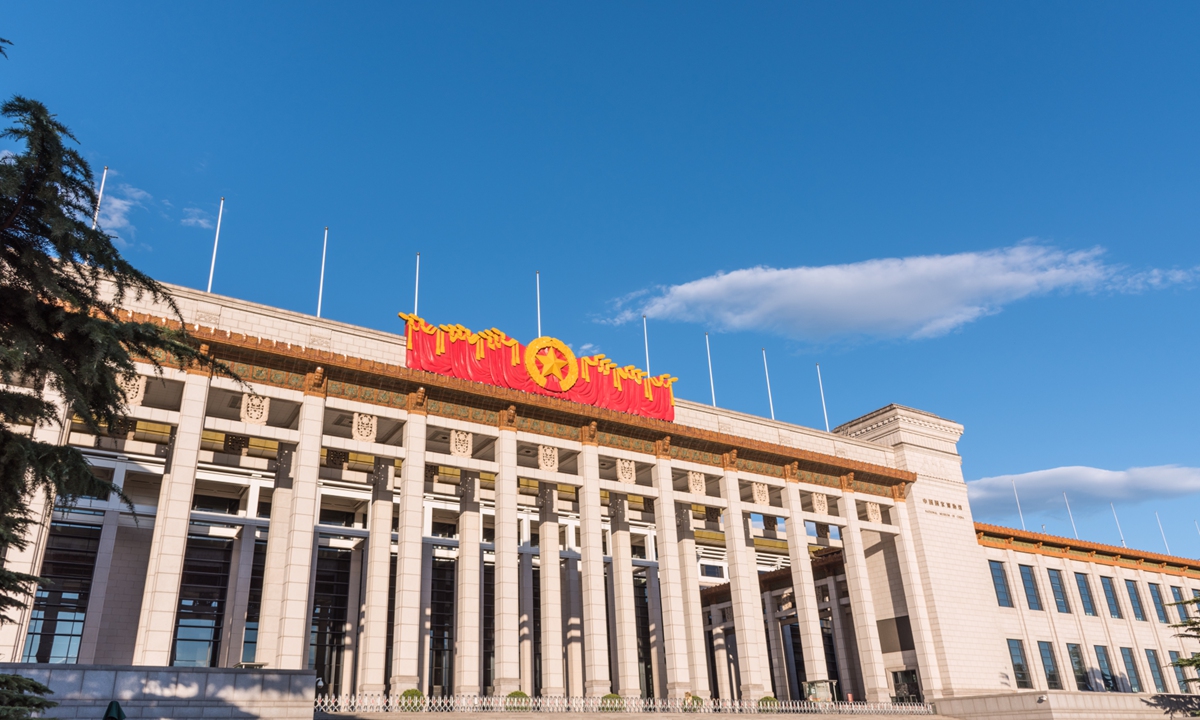
The National Museum of China Photo: VCG
The National Museum of China (NMC), the world's largest comprehensive modern museum in terms of single-building floor area, will establish its southern branch in the Fengtai district of Beijing, heading the establishment of a museum cluster along the capital's southern Central Axis, according to media reports on Wednesday.According to a conference on the key projects in Fengtai on Sunday, efforts will be made in 2026 to finalize the site selection plans for several cultural venues in the Dahongmen museum cluster, a new cultural landmark on the southern Central Axis. These include the China Space Museum, the South Branch of the NMC and the Museum of the Community for a Chinese Nation. The construction of a cultural heritage courtyard will also begin this year.
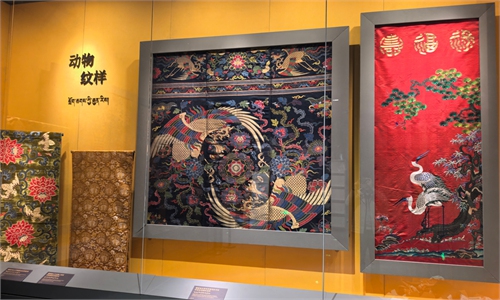
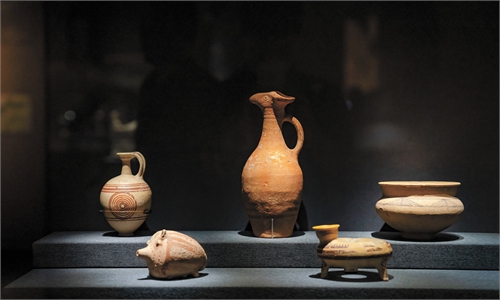
Located at Tian'anmen Square, the NMC has continuously expanded its collection, which now exceeds 1.43 million items. Growing and increasingly diverse exhibition demand has made the establishment of a branch museum and the expansion of display space an inevitable necessity.
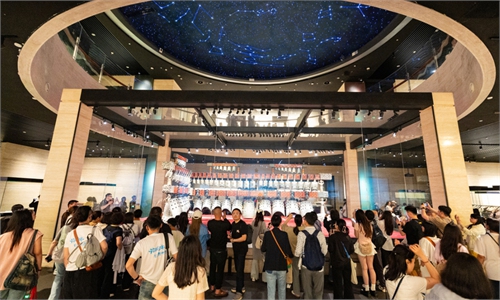
The NMC is renowned for its rich and diverse collection of great historical, cultural, scientific and aesthetic significance. Each year, scores of temporary exhibitions are launched at the museum, attracting nearly 10 million domestic and international visitors and making it one of the most-visited museums in the world.
The Dahongmen area, located at a node along the southern extension of Beijing's Central Axis, boasts unique geographical advantage: It links northward to the Temple of Heaven and Qianmen, and stretches southward to Beijing Daxing International Airport.
Liu Zheng, a member of the Chinese Society of Cultural Relics, told the Global Times on Wednesday that developing a museum cluster along Beijing's southern Central Axis is an inevitable step to enhance the city's cultural functions.
Historically, Nanyuan, located at the southern end of the axis, served as an imperial garden during the Liao (916-1125), Jin (1115-1234), Yuan (1279-1368), Ming (1368-1644), and Qing (1644-1911) dynasties. With its beautiful wetland environment and profound cultural heritage, the area later evolved into a zone for agriculture, aviation, military use, and logistics in modern times. As Beijing's new urban master plan is implemented, the introduction and replacement of such uses with cultural facilities, including museums, has become a necessary course of action, Liu said.
Transforming the area into a museum complex will help revitalize the capital city's southern areas and promote balanced development with the north. It can also connect and resonate with the World Heritage-listed Beijing Central Axis, as well as with museums and cultural venues in and around the Olympic Forest Park along the northern extension of the axis, laying a solid foundation for Beijing's development as a national cultural center, he noted.
Stretching 7.8 kilometers from the Yongdingmen Gate in the south to the Bell and Drum Towers in the north, the Beijing Central Axis was constructed based on ancient architectural philosophies to create an ideal layout for a capital city. The Central Axis can be traced back to the Yuan Dynasty, while its length was extended in Ming and Qing dynasties. UNESCO listed it as a World Heritage Site in July 2024.
Meanwhile, the China Great Wall Museum in Beijing's Yanqing district is slated to open this year.
Elsewhere, the Shandong Ancient Architecture Museum reopened for a trial run earlier in February after over three years of restoration.
RELATED ARTICLES