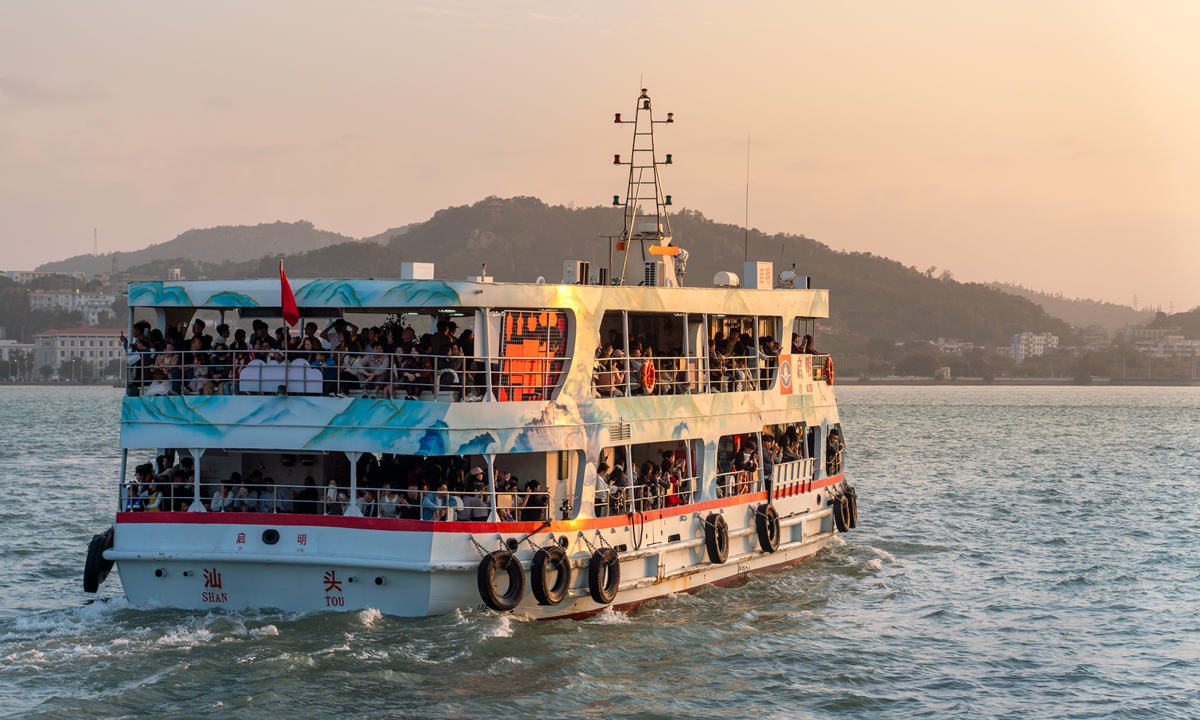
A Shantou ferry sails through Shantou's inner bay in Shantou, South China's Guangdong Province, on February 23, 2026. Photos: VCG
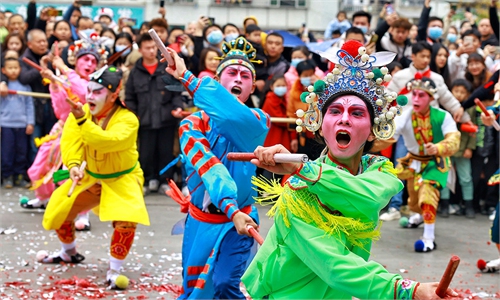
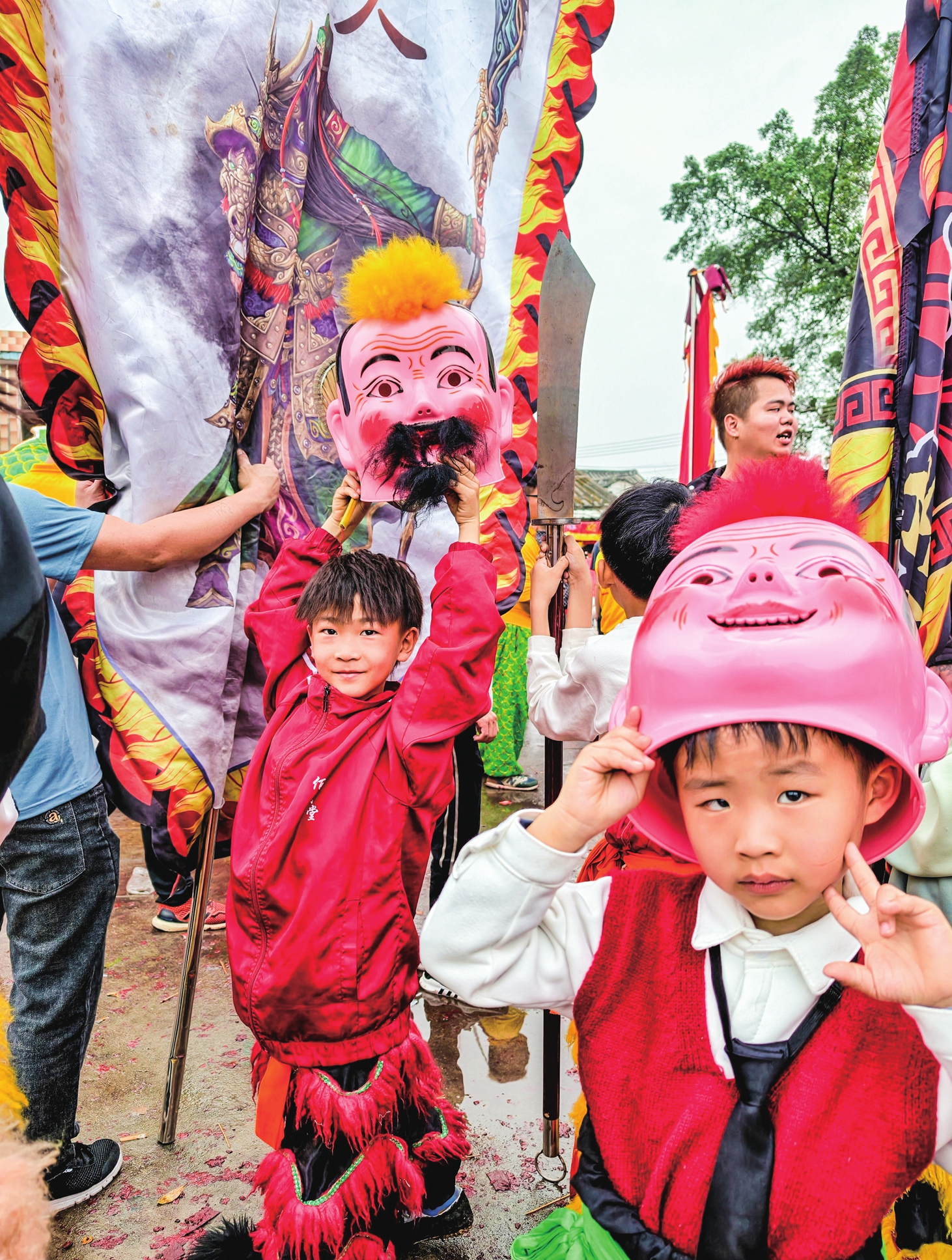
With the rapid pounding of drums echoing through the streets, groups of young performers step forward in two lines, dressed in brightly colored traditional costumes and holding wooden Yingge sticks. As the rhythmic clashing of the sticks blend with cheers from onlookers, the swirling movements of the Yingge dance bring the streets of Chaozhou to life, offering visitors a vivid glimpse of the vibrant local spirit that defines the Chaoshan region. Children participate in traditional ancestor worship activities including Yingge dance in Shantou, on February 27, 2026.
Chaoshan - a term referring collectively to the two cities of Chaozhou and Shantou in South China's Guangdong Province - has emerged as a popular destination during the recent Chinese New Year holidays. Festive celebrations continued through Tuesday's Lantern Festival, with the region immersed in a lively atmosphere that drew large number of visitors eager to experience its distinctive traditions.
Data from a Chinese travel platform showed that Shantou and Chaozhou ranked first and third respectively in year-on-year growth of tourism orders during the Spring Festival holidays, with increases of 186 percent and 135 percent.
Over the past year, both cities have frequently appeared on travel rankings and social media "must-visit" lists. Beyond the statistics, the on-site experience tells an even clearer story: at landmarks such as Chaozhou's Paifang Street and Shantou's Xiaogongyuan Historic District, visitors from across China gather in historic streets, immersing themselves in the region's lively urban landscape and everyday local life.
Tourists are drawn to Chaoshan for different reasons, but traditional Chinese cultural activities and the region's distinctive local culture remain among the most powerful attractions.
The growing popularity of Chaoshan tourism stems in large part from the vivid display of traditional Chinese culture. As a region that has preserved many aspects of traditional Chinese customs and lifestyles, Chaoshan offers cultural activities with strong local characteristics that appeal to visitors, especially during the Spring Festival period, Jiang Yiyi, a tourism and sports expert at Beijing Sport University, told the Global Times on Wednesday.
Many traditional performances, including the Yingge dance, attract large number of tourists eager to witness these celebrations.
Together with lion dances, the locally distinctive Yingge dance has become a major draw for visitors. The Yingge dance, or "dance to the hero's song," is a form of folk dance popular in Guangdong Province. The dance merges opera, dance and martial arts and was listed in the first batch of national intangible cultural heritage in 2006. Dating back to the Ming Dynasty (1368-1644), the performance is often staged during traditional Chinese festivals, according to Xinhua News Agency.
Such dynamic performances can be seen across the Chaoshan region. In the streets and alleyways of both Chaozhou and Shantou, Yingge dancers draw crowds who marvel at their skills and expansive movements. Many visitors also find themselves captivated by the cultural narratives embedded in the performance: dancers often portray characters from traditional Chinese stories and operas, turning street performances into vivid retellings of Chinese cultural legends.
The region has long placed emphasis on preserving and developing traditional culture. Ancestral halls, lantern festivals, dragon and lion dances, and other folk activities allow visitors to immerse themselves in Chaoshan's everyday life, offering a form of traditional culture that is visible, tangible and integrated into daily living, Jiang said.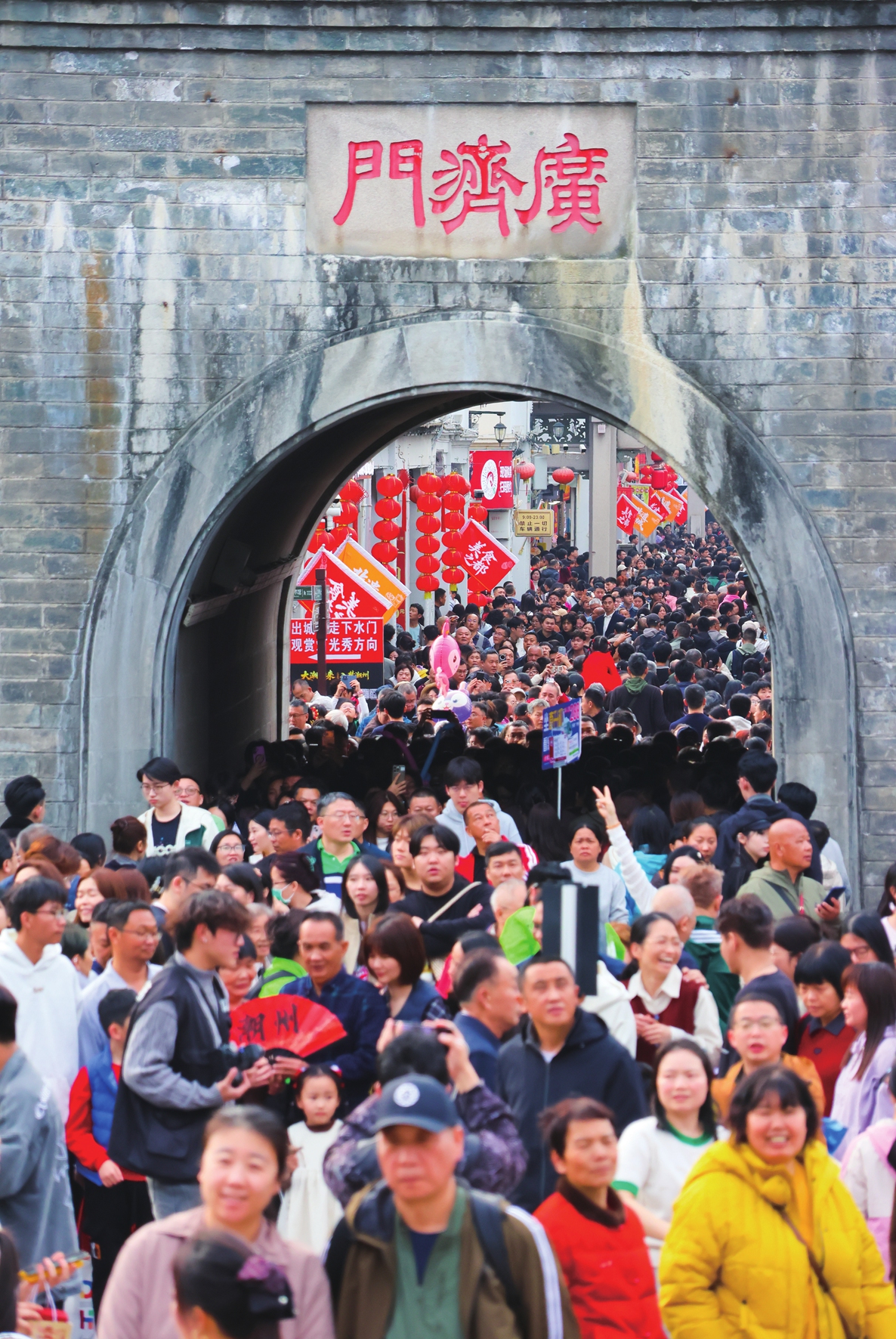
Tourists flock to the ancient city to appreciate its history and culture during the Spring Festival in Chaozhou, South China's Guangdong Province, on February 17, 2026.
Unlike some popular tourist cities that rely heavily on a single landmark or themed attraction, Chaoshan's appeal comes from multiple layers of cultural and urban life.
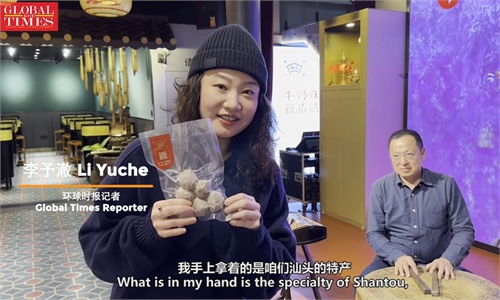
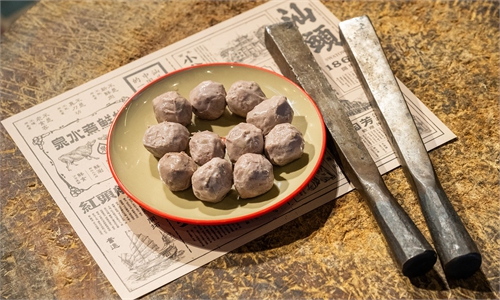
The region offers both tangible historical textures - visible in the architecture of Chaozhou's ancient cities that blend Lingnan and Southeast Asian styles - and vibrant local lifestyles, from traditional pastry shops and beef hotpot restaurants to leisurely gatherings around Gongfu tea tables.
For many visitors, traveling to Chaoshan is not simply about sightseeing, but about experiencing an authentic local way of life in its streets and neighborhoods.
More importantly, the region's cultural expression carries a strong sense of identity. Local rituals and performances coexist with everyday street life, meaning traditions are not confined to museums or exhibition halls but remain alive within communities and public spaces. This rich cultural ecosystem enables visitors to experience a distinctive sense of place and belonging.
"When you travel to Chaoshan, it feels like entering an immersive theater where people are truly participating in local performances, and daily life becomes part of the travel experience," Jiang said.
Behind the rise of Chaoshan tourism, experts also see broader trends shaping China's travel market, including increasing demand for personalized experiences, diversified destinations and the sector's strong overall growth.
The rapid development of Chaoshan tourism is also riding the momentum of China's booming travel industry. During the Spring Festival holidays, both tourism and consumption reached new highs, Song Ding, a research fellow at the China Development Institute, told the Global Times on Wednesday.
Chaoshan's tourism boom, he added, benefits from its distinctive historical heritage, unique local culture and the fusion of Chaoshan and Southeast Asian influences. Guangdong Province, as one of China's economic and opening-up frontiers, has attracted large number of migrants from across the country while maintaining a distinctive regional culture.
"These elements together help create a new wave of tourism popularity," Song said, noting that migrants from other provinces who settle in the region often develop a strong attachment to the local culture, while residents themselves maintain a deep sense of pride in it.
China's tourism sector continued to expand rapidly during the 2026 Spring Festival holidays. Over the nine-day break, domestic tourist trips reached 596 million, an increase of 95 million compared with the eight-day holidays in 2025. Total domestic tourism spending reached 803.48 billion yuan ($116.43 billion), up 126.48 billion yuan year-on-year, setting new historical highs in both visitor numbers and spending, according to China's Ministry of Culture and Tourism.