From Pegasus to Blades of the Guardians, film IPs fuel Xinjiang's tourism boom, NPC deputy tells GT
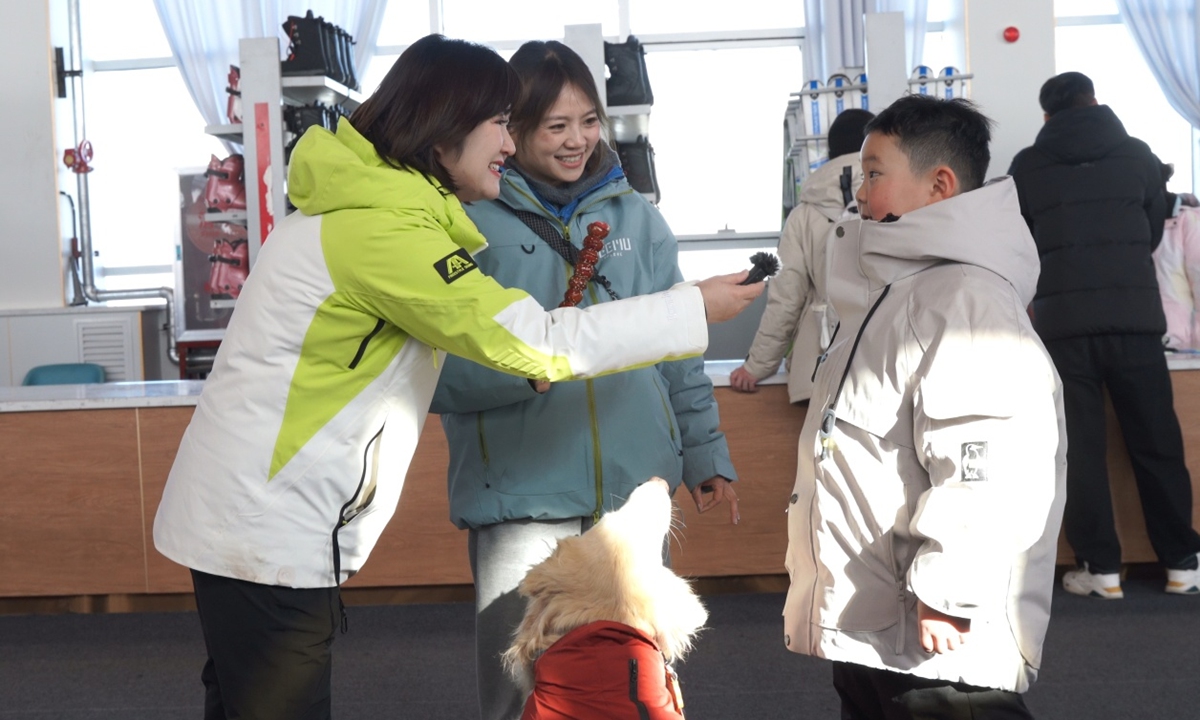
Kong Feifei, a deputy to the NPC and Deputy General Manager of Ili Cultural Tourism Industry Group Co. Ltd. (left)
At China's 2026 two sessions, high-quality integration of culture and tourism remains a hot topic among the deputies of the National People's Congress and members of the National Committee of the Chinese People's Political Consultative Conference (CPPCC). In recent years, Northwest China's Xinjiang Uygur Autonomous Region, boasting unique natural and cultural resources, has become a filming location for numerous film and television works.
The Pegasus series, the viral My Altai, and Blades of the Guardians: Wind Rises in the Desert have all put Xinjiang on the map. These works serve as "moving business cards" for its cultural and tourism industry, driving a sustained boom in the local sector.
On how film and TV IPs can empower the upgrading of cultural tourism and how to create tourism products tailored to young people, Kong Feifei, a deputy to the NPC and Deputy General Manager of Ili Cultural Tourism Industry Group Co. Ltd., shared on-the-ground practices and insights from Xinjiang during an exclusive interview with the Global Times on Friday.
Xinjiang's scenic splendor framed by cinema: the "natural film studio" with diverse backdrops
"Xinjiang boasts diverse landforms, unique landscapes, and a profound cultural heritage, covering all types of scenes needed for film and television production," said Kong. She mapped out Xinjiang's "cinematic landscape," categorizing popular filming locations into three distinct types.
First, there are the Gobi and Yadan landforms, such as the Urho Ghost City in Karamay. Besides being the backdrop for the hit film Blades of the Guardians: Wind Rises in the Desert, this location also hosted the filming of classic movies like Crouching Tiger, Hidden Dragon and Seven Swordsmen, Kong said.
Second, grasslands and mountainous landscapes, including Nalati Grassland in Ili, have been featured in numerous historical and Xianxia (immortal hero) dramas such as Qin Dynasty Epic and A Record of the Mortal Cultivation of the Immortal. The yet-to-be-released cultural film Winter Pasture also shot horse racing scenes at Kalajun Grassland, while Bayanbulak Grassland was the setting for Pegasus.
Third, the southern Xinjiang region offers humanistic and highland scenery, with ancient cities in Kashgar, the Pamir Plateau (including the Taxkorgan Tajik Autonomous County and Baisha Lake), and Turpan being classic filming spots for historical dramas and Silk Road-themed productions.
Film and TV IPs translate popularity into tangible cultural tourism dividends
How effective are TV dramas and films in boosting the visibility of cultural tourism? Kong noted the direct impact: "First, there is a significant increase in regional visibility. As popular films and shows air, the reach of the scenic spots' popularity expands further." She said that within a month of the premiere of the hit 2025 Xianxia drama A Record of the Mortal Cultivation of the Immortal, the popularity of the Nalati Scenic Area surged by 68 percent compared to the same period a year ago, propelling both Xinjiang and Ili Kazak Autonomous Prefecture to the top of national cultural tourism search rankings.
Second, tourist arrivals and tourism revenue subsequently grow. Kong noted, "Every time a popular film or show airs, visitor numbers, hotel and homestay bookings, and overall tourism income at the scenic spots all show an upward trend. Especially during holidays and summer vacations, year-on-year growth in reception remains consistently high."
Third, the source of tourists becomes more diverse. Kong told reporters, "Young tourists, self-drive travelers, and in-depth experience seekers have gradually become the mainstay, changing the previous pattern dominated by traditional sightseeing tours. The extension of tourists' staying duration has truly driven employment and increased income for local residents," said the deputy.
Aligning with new youth trends, creating immersive cultural tourism experiences
"Traveling following the movies" has become a new cultural tourism trend. Kong Feifei emphasized the need to center on film and TV IPs, using youth-oriented, scenario-based, and immersive cultural tourism products to effectively convert film "traffic" into sustainable tourism "retention."
Specifically, first, create check-in spots that replicate classic scenes and camera angles from the films, allowing visitors to "step into the plot" and experience it firsthand. Second, launch experience products inspired by the shows, deeply integrating film and television works with local natural scenery and ethnic culture to create special projects such as grassland song and dance performances and cultural experiences, enabling tourists to immerse themselves in the beauty of the landscape and unique cultural charm. Third, upgrade characteristic homestays and cultural and creative products, building themed guesthouses, intangible cultural heritage creative stores, and specialty food experience zones, allowing tourists to fully appreciate Xinjiang's unique charm through accommodation, dining, travel, and shopping, according to Kong.
RELATED ARTICLES