ARTS / CULTURE & LEISURE
New national strategy keeps rare opera genres thriving and appreciated
By Published: Mar 16, 2026 11:29 PM

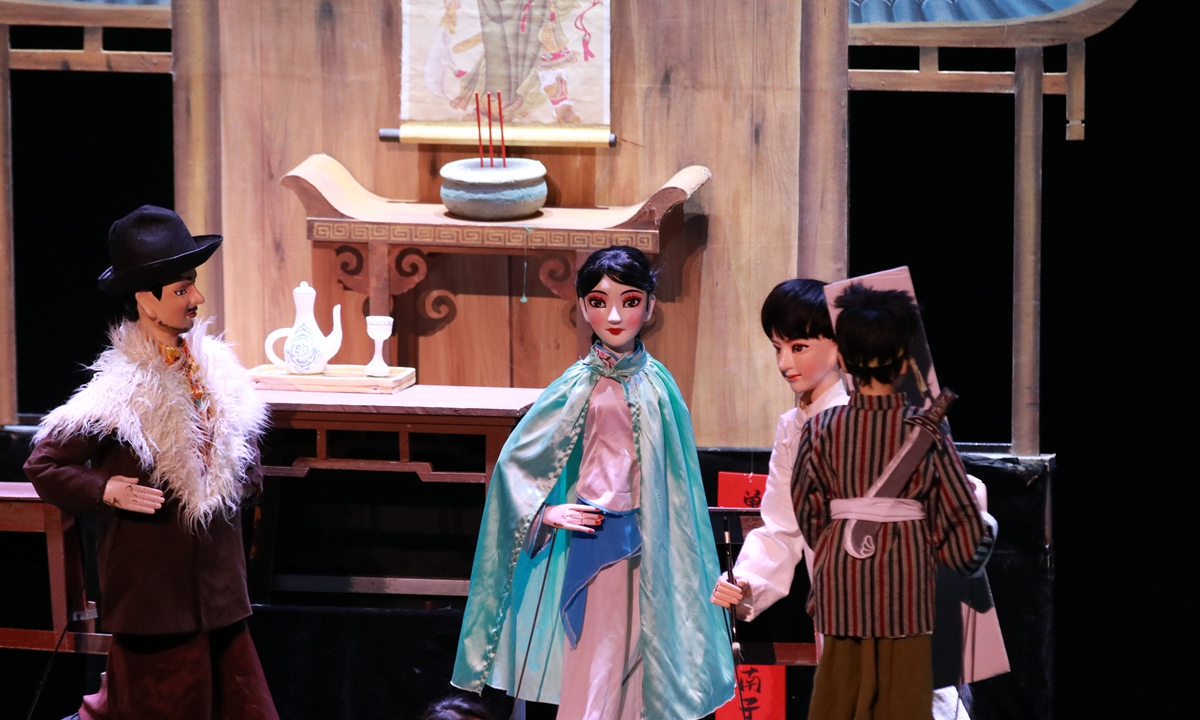
Photo: Courtesy of China Theatre Association
Dozens of schools of Chinese opera are taking the center stage in Boxing county, East China's Shandong Province, as a national exhibition aims to ensure these "living fossils" of culture not only survive but find new life in the modern era.The Second China Excellent Rare Opera Schools Exhibition, which opened on Sunday, features 36 select productions from across the country, including excerpts from Qianju opera from Guizhou Province, Qiju opera from Hunan Province, and Yongju opera from Zhejiang Province. The event, running through March 23, showcases a strategic national effort to inject vitality into the precious theatrical traditions.
Dubbed the "gene bank" of Chinese performing arts, these rare schools encapsulate local dialects, ancient musical forms, and grassroots folk heritage. Yet, many now face a stark crisis: aging practitioners, fading audiences, and shrinking stages. In response, a top-down preservation drive has gained momentum. Initiatives like a three-year action plan by Chinese authorities to revitalize the theatrical arts, starting from 2026, and the Ten Major Initiatives to revitalize stage dramas by the China Theatre Association, signal a shift from scattered local efforts to coordinated national strategy.
The Boxing county exhibition season is a flagship platform for that strategy, curated to help schools "take root, nurture successors, and win audiences." Its selection process was highly competitive, with the 36 finalists chosen from 111 submissions, a sign of the value China's troupes attach to national recognition.
Beyond the footlights, preservation work is expanding into digital and educational fronts. A major campaign, the "2026 National Rare Opera Schools New Year Carnival," plans to document 200 schools from 20 provinces, building the first digital gene bank for these endangered arts.
Meanwhile, specialized training programs at institutions like the National Academy of Chinese Theatre Arts are cultivating a new generation of performers. Integration with tourism, such as offering travel discounts for show tickets in Boxing county, seeks a sustainable model that links culture with commerce.
The core challenge, however, remains making centuries-old art resonate today and thrive among the people. Innovation is now part of the script: productions like Gansu Province-rooted Longju opera's The Great River Flows East are weaving modern stagecraft with traditional "mahuang" singing, while the Sichuan Province's Zizhong puppet play Young Zhang Daqian's Adventure incorporates Sichuan opera face-changing techniques with stories of painter Zhang Daqian. Such experiments suggest that honoring tradition and courting contemporary appeal can go hand in hand.
Protecting rare opera schools is, in essence, a defense of cultural diversity. Safeguarding these unique forms of localized knowledge, emotional expression, and aesthetic systems not only preserves a rich cultural DNA for the Chinese nation but also contributes Chinese wisdom and approaches to global cultural diversity.
As the curtains rise, more than 36 rare schools of opera take the stage one after another; they highlight a systematic, state-backed campaign to ensure the nation's myriad theatrical voices continue to be heard, blending deep roots with new soundscapes for the future.
The author is a reporter with the Global Times. life@globaltimes.com.cn
RELATED ARTICLES