ARTS / CULTURE & LEISURE
6,000-year-old workshop proof of early large-scale production
Discovery suggests possibility of primitive trade
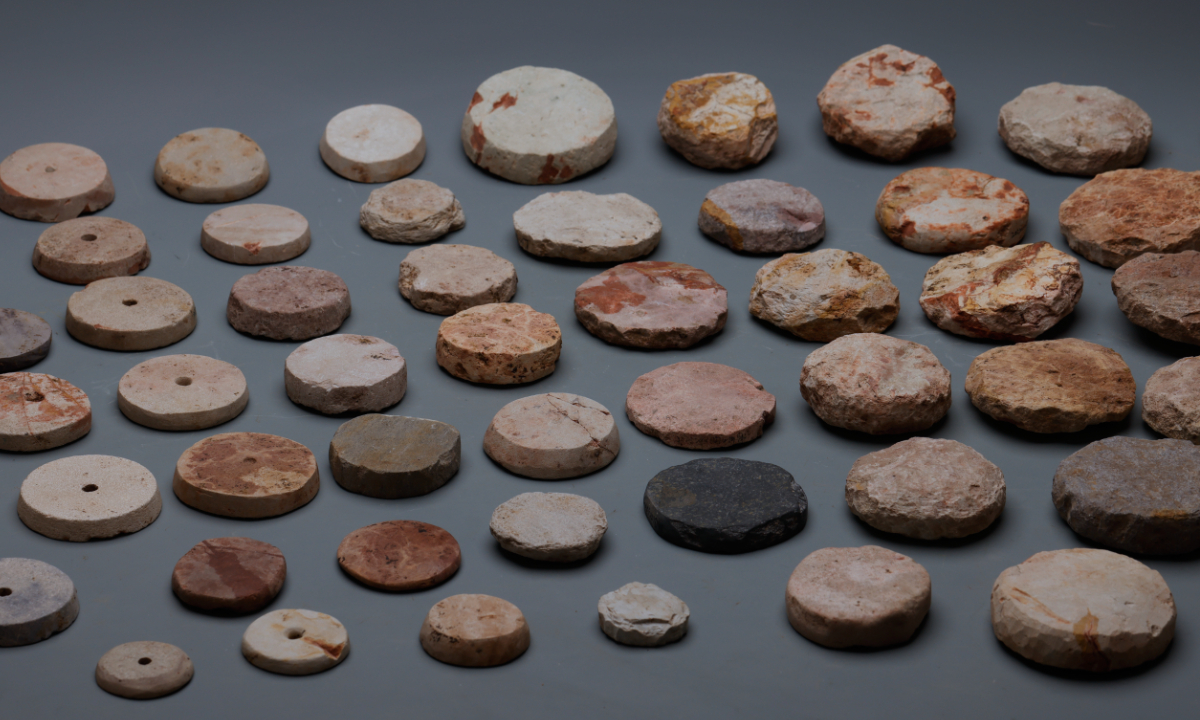
Stone spindle whorls unearthed from the oushan site in Wuxi, East China's Jiangsu Province, a Neolithic settlement located between the Yangtze River and Taihu Lake Photo: Courtesy of the Jiangsu Provincial Institute of Cultural Relics and Archaeology
Archaeologists have uncovered a 6,000-year-old stone spindle whorl workshop that provides new evidence of early large-scale production, according to the Jiangsu Provincial Institute of Cultural Relics and Archaeology.
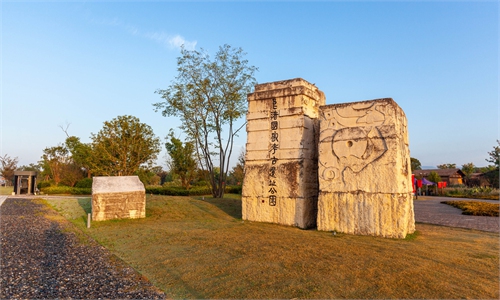
The discovery was made at the Doushan site in Wuxi, East China's Jiangsu Province, a Neolithic settlement located between the Yangtze River and Taihu Lake. It covers an area of about 250,000 square meters and mainly contains relics from the Majiabang Culture and the later Songze Culture in the Neolithic Age.
It was first identified in 2023 during construction work. In December 2024, the institute joined with several other archaeological institutions to form a joint excavation team, carrying out work at the site. To date, an area of roughly 18,000 square meters has been excavated.
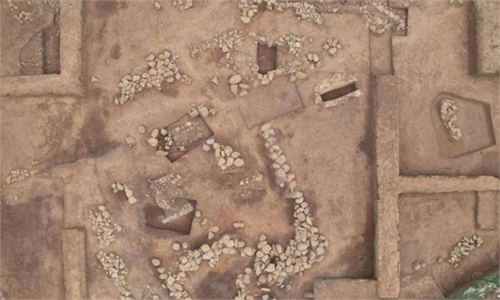
Near a roughly 200-square-meter house dating to the Majiabang Culture in the southwestern section of the walled settlement, archaeologists found large quantities of unfinished stone spindle whorl blanks piled nearby, indicating the presence of a dedicated workshop.
A survey of surrounding stone resources suggests most of the raw materials were locally quarried and processed on site. From extraction to shaping and finishing, the finds point to a clearly organized production system for stone spindle whorls in place as early as 6,000 years ago.
"The huge number of stone spindle whorls far exceeded the daily needs of the settlement," Zhou Runken, head of the archaeology team and vice president of the institute, told the Global Times on Wednesday.
The stone spindle whorls were very likely not only production tools used by the local settlers, but also served as popular trade products exchanged with other tribes, Zhou noted.
According to Zhou, this discovery not only demonstrates the craftsmanship of ancient people during the Majiabang culture period, but also suggests the possibility of primitive trade existing 6,000 years ago.
A total of more than 300 stone spindle whorls have been discovered at the site so far.
Excavations have also revealed significant residential and burial remains. In the southwestern portion of the site, archaeologists identified nearly 130 tombs attributed to the Majiabang period.
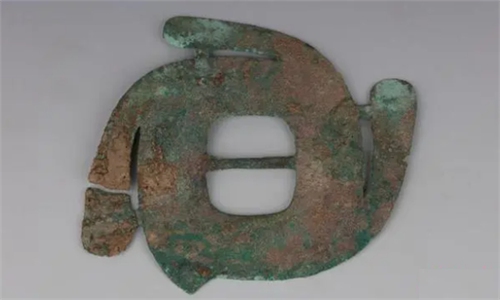
Most of the burials are vertical earthen pit graves containing adults, juveniles and infants. Adult burials are typically in a prone position with extended limbs and are accompanied by a relatively simple set of grave goods, including stone axes, jade ornaments, pottery vessels and spindle whorls.
The same area also contains traces of changing land use over time. Archaeologists found evidence that the space initially served as a residential zone before being repurposed as a cemetery and later returning to residential use. This pattern reflects shifting settlement organization as the community evolved.
About 160 tombs from the Songze period have been excavated, including several large, high-status burials containing more than 20 grave goods. These elite tombs often feature both inner and outer coffins and carefully constructed burial chambers.
In one tomb, archaeologists even found the remains of head and foot boxes in the inner coffin, highlighting social stratification among the settlers.
According to Zhou, the Doushan prehistoric site is the first known walled settlement from the Majiabang Culture discovered in the lower reaches of the Yangtze River, making it the oldest prehistoric city site identified in the region, and among the oldest in China.
The discovery of city gates, along with evidence of large-scale stone spindle whorl production and likely external trade, suggests the settlement had developed the key features of an early urban center.
Together with the later emergence of high-status burials associated with the Songze Culture, the site outlines a clear trajectory of increasing social complexity, noted Zhou.
"The findings provide important material evidence supporting broader theories on the origins of Chinese civilization, helping to validate frameworks proposed for defining the transition to complex society," Zhou told the Global Times. "The site is considered highly significant for understanding regional development patterns in the lower Yangtze and the formation of early civilization in China."
RELATED ARTICLES