It is time for Japan to return Chinese cultural relics it looted!: Global Times editorial
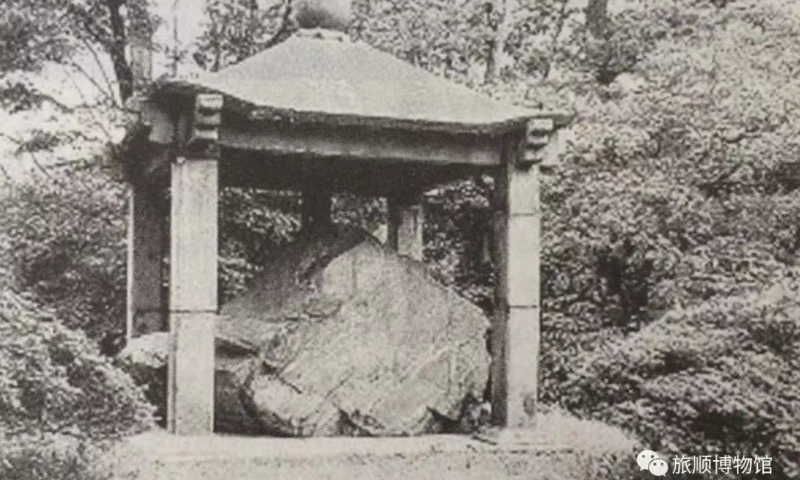
The Chinese Tang Honglu Well Stele of the Tang Dynasty (618-907) Photo: Wechat account of Lushun Museum
Reporters from the Global Times visited Japan and found that looted Chinese cultural relics are being displayed and even promoted as militarist "trophies," including at the notorious Yasukuni Shrine. During its long period of militarist aggression in China, Japanese militarists carried out systematic atrocities in China. It took advantage of its occupation of Chinese territory to plunder vast quantities of Chinese cultural treasures, causing incalculable damage to Chinese cultural heritage. This was not merely theft of Chinese cultural artifacts - it's irrefutable evidence of the heinous crimes committed by Japanese militarism during Japan's invasion of China. History must not be distorted, and heritage must not be plundered. It is time for Japan to return the Chinese cultural relics it looted!
Japan's plunder of Chinese cultural relics is an undeniable historical fact. This systematic, large-scale looting has at least three defining features. First, it spanned a long period of time. As early as around the outbreak of the First Sino-Japanese War in 1894, Kuki Ryuichi - an imperial advisor and director-general of Japan's Imperial Museum (now the Tokyo National Museum) - wrote How to Collect Treasures of the Qing Dynasty during the War, which received backing from the Japanese government and military. Japan's systematic destruction and looting of Chinese cultural relics continued until the end of the War of Resistance Against Japanese Aggression, lasting more than half a century. Second, the looting covered a vast geographic scope. Over decades of invasion, much of China's territory fell under occupation at different times, resulting in cultural relics from various historical periods and regions being taken to Japan. Third, the scale was enormous. According to incomplete statistics, by the end of the war, approximately 1,879 crates containing some 3.6 million Chinese cultural relics had been looted by Japan, while 741 cultural and historical sites - even not including those in Northeast China - were destroyed. According to scholars' estimates, Japan has more than 1,000 museums of various sizes, housing nearly 2 million Chinese cultural artifacts from different dynasties - most of which were taken during the war of aggression.
To this day, Japan has not returned these looted relics. Instead, it has attempted to conceal and deny this history. China has ample grounds in international law, public opinion, and moral justice to demand that Japan return the cultural relics.
In the early 20th century, the two Hague Peace Conferences adopted a series of Hague Conventions. Among them, the 1907 Hague Convention IV explicitly prohibits belligerents from destroying or looting the cultural property of other nations, and states that all seizure, destruction, or wilful damage "is forbidden, and should be made the subject of legal proceedings." The rules of war codified in this convention have since been widely recognized as customary international law. Therefore, Japan's destruction and looting of Chinese cultural relics during its invasion violated both the convention and the customary international law it established. After the end of World War II, the international community adopted numerous influential international legal documents under the UN framework to support the restitution of cultural relics looted during the war to their countries of origin. These documents are widely representative and authoritative, reflecting the common position of the international community, and they also provide an important basis for Japan to proactively return Chinese cultural relics.
Likewise a defeated power in World War II, Germany proactively and systematically returned looted cultural relics and artworks, improved its relations with victimized countries, and earned the trust of the international community. This offers both an example and a point of contrast for Japan in returning Chinese cultural relics it plundered. The Chinese People's War of Resistance Against Japanese Aggression was an important part of the World Anti-Fascist War. China's demand that Japan return the cultural relics it looted is therefore a necessary requirement for safeguarding the fruits of victory in World War II and the postwar international order.
Demanding the return of these looted relics is not only an inalienable right of the Chinese nation, but also a powerful means of fighting against the ugly attempts by Japan's right-wing forces to whitewash its history of aggression.
Some people wrongly claim that, because the Chinese government renounced its demand for war reparations from Japan in the 1972 Sino-Japanese Joint Statement , China shouldn't now pursue the recovery of cultural relics from Japan. This view is groundless, because the 1972 Sino-Japanese Joint Statement concerns only government-level compensation for wartime acts, whereas Japan's large-scale looting of cultural relics and other illegal activities in China fall outside this scope. The two represent entirely different rights under international law. China's demand for the return of looted cultural relics faces no legal obstacles.
In recent years, public calls in China for Japan to return cultural relics have grown louder, and have also received support from some justice-minded Japanese civic groups. A typical example of the role of civil society is the joint efforts of Chinese and Japanese non-governmental and academic groups in urging Japan to return the Chinese Tang Honglu Well Stele of the Tang Dynasty (618-907). Progress in China's development of law-based governance in foreign-related affairs, along with the enactment or revision of a series of laws such as the foreign state immunity law and the Law on the Protection of Cultural Relics, has laid the groundwork for pursuing the recovery of cultural relics from Japan through judicial channels. Where China possesses conclusive evidence regarding Chinese cultural relics of major value that were taken to Japan or destroyed by Japan, it is possible to bring the relevant Japanese entities before Chinese courts and seek judgments ordering their return.
At present, Japan's rightward political shift is growing ever more pronounced, posing a serious threat to regional and international peace and stability. Demanding that Japan return the cultural relics it illegally looted is not only China's legitimate right under international law and basic moral principles, but also an intrinsic part of safeguarding the fruits of victory in the War of Resistance and the postwar world order. Japan needs to face up to its historical crimes and earnestly fulfill its international legal obligations to return the looted cultural relics, giving a positive response to the just claims of the people of China and other Asian countries affected.
RELATED ARTICLES