ARTS / CULTURE & LEISURE
Ex-Russian minister of culture says music, education exchanges bring two countries closer
By Published: Mar 25, 2026 10:47 PM
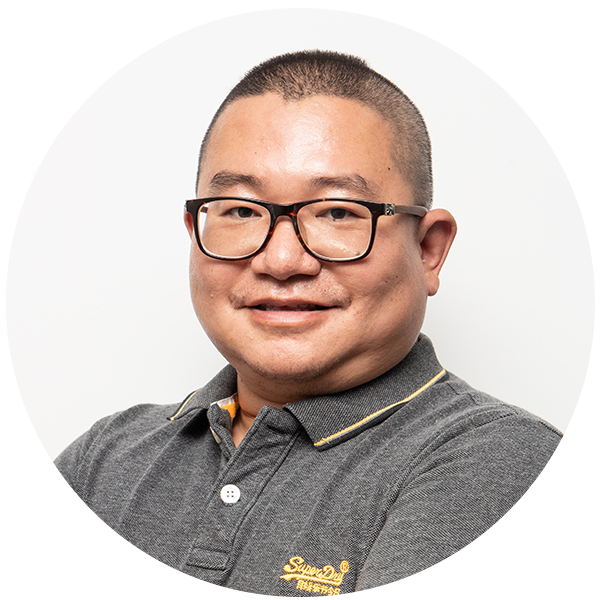
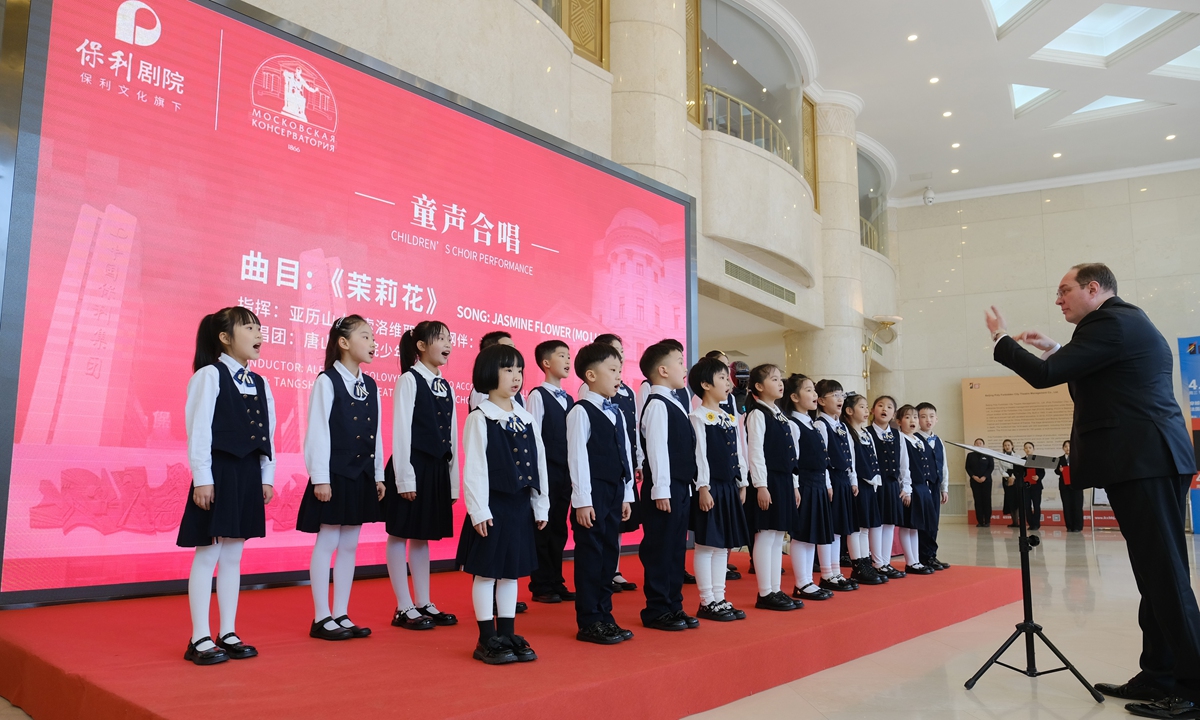
Photo: Courtesy of Poly Theater
Alexander Sokolov, former Russian minister of culture and current president of the Moscow State Tchaikovsky Conservatory, said in an interview with the Global Times on Wednesday that he has high expectations for the upcoming cooperation in performing and educational programs between the Tchaikovsky Conservatory and China's art organizations such as Beijing Poly Theater Management Company over the next five years.The choral art collaboration program released by the conservatory and Poly Theater on Wednesday is an attempt to promote cultural exchanges in terms of performances, education, and academic exchanges.
Sokolov said that the five-year program will include an International Master Training Camp for Choral Conductors, a China tour for the Tchaikovsky Conservatory Choir, and an International Choral Arts Festival, among other projects.
As one of the world's most prestigious music institutions, the Moscow State Tchaikovsky Conservatory has been influential since its founding in 1866. Currently, about 350 students from China are studying at this world-renowned music institution, according to the president.
Tatiana Urzhumtseva, counselor of the Russian Embassy in China and director of the Russian Cultural Center in Beijing, said that as 2026 and 2027 mark the China-Russia Years of Education, the program highlights efforts to enrich the practical pathways of cultural exchange between the two nations.
"What lies ahead for us are joint projects, experimental productions, and most importantly, cultivating a new generation of audiences who can both treasure symphonic music and appreciate the language of theater," she told the Global Times on Wednesday.
Sokolov and other delegation members visited various Chinese cities and reached agreements on cooperation projects like a three-year collaboration with the Wuxi Symphony Hall in East China's Jiangsu Province that focuses on music performances, arts education, academic exchange, and talent cultivation.
Over the past few years, the cultural and educational systems of China and Russia have maintained profound exchanges, Sokolov noted. Many renowned Chinese musicians have studied in Russia, particularly at the Tchaikovsky Conservatory, including the celebrated Chinese pianist Liu Shikun. At the age of 19, Liu won second prize at the first International Tchaikovsky Piano Competition in Moscow.
"This illustrates that the cooperation between China and Russia, especially in the field of education, is a process of mutual learning and progress," he said.
Chinese students can "bring their understanding toward music and memory to China and integrate it with their own culture," he added.
When it comes to the next five years' of the China tour plan, Alexander Solovyev, artistic director of the Chamber Choir of the Tchaikovsky Conservatory, told the Global Times that he hopes to bring some Russian contemporary music productions to China as well as experiment with some creative ideas to crossover with China's traditional music.
Solovyev and the choir have visited theaters and music colleges in China over the past two years, which he thinks have "inspired us a lot."
At Wednesday's ceremony, he also conducted a Chinese kids choir for a performance of China's traditional song "Jasmine Flower," which he called "a very touching song."
RELATED ARTICLES