China’s National Intellectual Property Administration warns of hidden risks of using agentic AI tools to draft patent applications
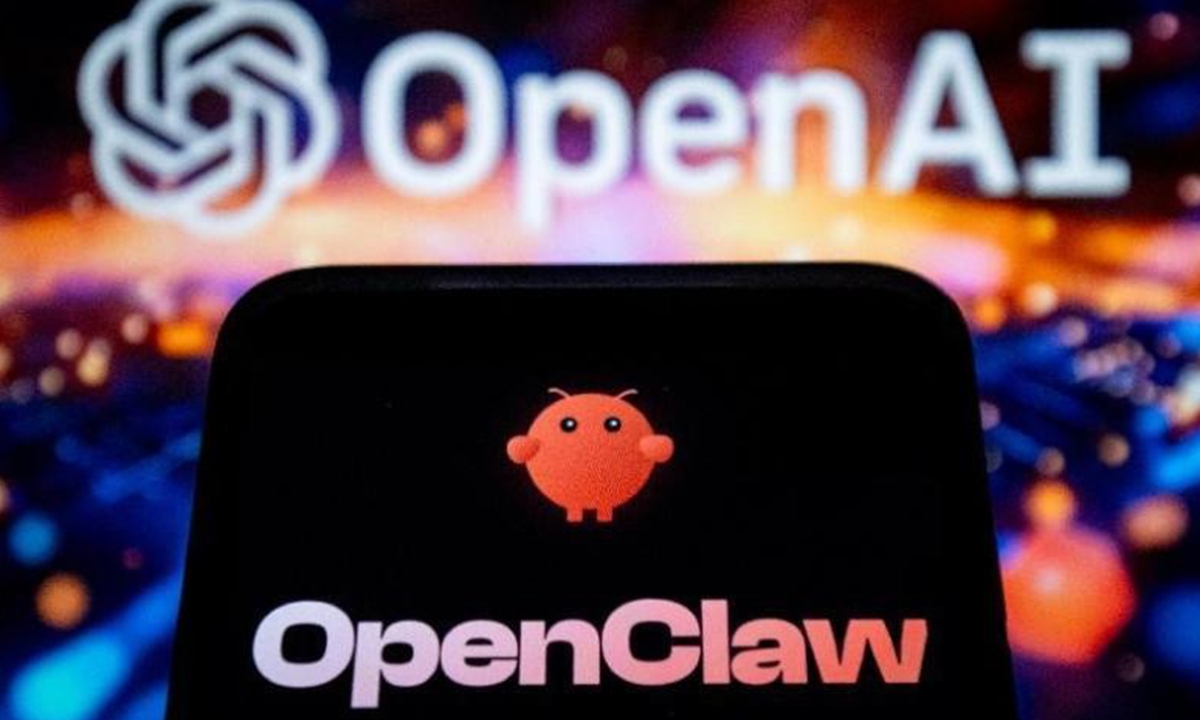
OpenClaw, an open-source AI agent Photo: VCG
China's National Intellectual Property Administration (CNIPA) issued a risk alert on Wednesday, warning that AI-powered agent tools such as OpenClaw have been found to have vulnerable default security settings, which can lead to serious security risks. Using such intelligent AI agents to draft patent application documents may trigger multiple risks, including the leakage of technical information, lack of substance in patent application and loss of creditability for patent applicants, CNIPA said.
In a post seen on its official WeChat account, the top IP regulator noted that agentic AI such as OpenClaw poses risks such as excessive permissions, security vulnerabilities, and plugin poisoning.
Using these AI tools to draft patent application documents can easily lead to the leakage of core information, such as technical disclosure documents. Once leaked, the technical solution of the patent application may lose its novelty, rendering it ineligible for authorization, or worse, it may be preemptively filed by others, causing significant losses to the applicant. Additionally, the agency may bear liability for breach of contract, the administration noted.
And, using such AI tools to draft patent application documents may lead to the occurrence of AI hallucinations, leading to issues such as logical contradictions or unclear descriptions of technical features, causing applications to fail to obtain protection from IP authorities.
For people who use intelligent agents to fabricate, randomly generate, or piece together content for patent applications, they constitute bad-faith patent application behavior. If a certain threshold is reached, applicants may face administrative penalties such as warnings or fines. Agencies and patent agents may face penalties such as revocation of practice licenses or cancellation of qualification certificates, per the CNIPA.
In severe cases, they may be included in the list of serious untrustworthy entities, the CNIPA warned.
To mitigate risks and safeguard the legitimate rights and interests of all parties, the CNIPA urges applicants to enhance their awareness of risk prevention, carefully choose compliant patent agency services, and proactively confirm whether the agency uses agentic AI to draft application documents.
If an applicant discovers that an agency has used such tools without authorization, resulting in information leakage or constituting bad-faith application behavior, they may file complaints in accordance with the law and seek compensation.
Patent agencies and patent agents must remain highly vigilant about the risks associated with using intelligent agents, refrain from using them to engage in bad-faith patent application practices, and effectively safeguard the legitimate rights and interests of their clients, read the post.
With the widespread adoption of AI agents such as OpenClaw, a number of Chinese government agencies have issued warnings about hidden risks.
On March 13, the National Cybersecurity Notification Center issued a risk alert regarding OpenClaw, warning that numerously exposed OpenClaw assets pose significant security risks, making them prime targets for cyberattacks.
Global Times
RELATED ARTICLES