IN-DEPTH / IN-DEPTH
CPC in Global Eyes: To understand China’s achievements in rural vitalization, ‘one must recognize their direct connection to CPC’s strong mobilization capacity’: Robert Kuhn
Rewriting the Countryside
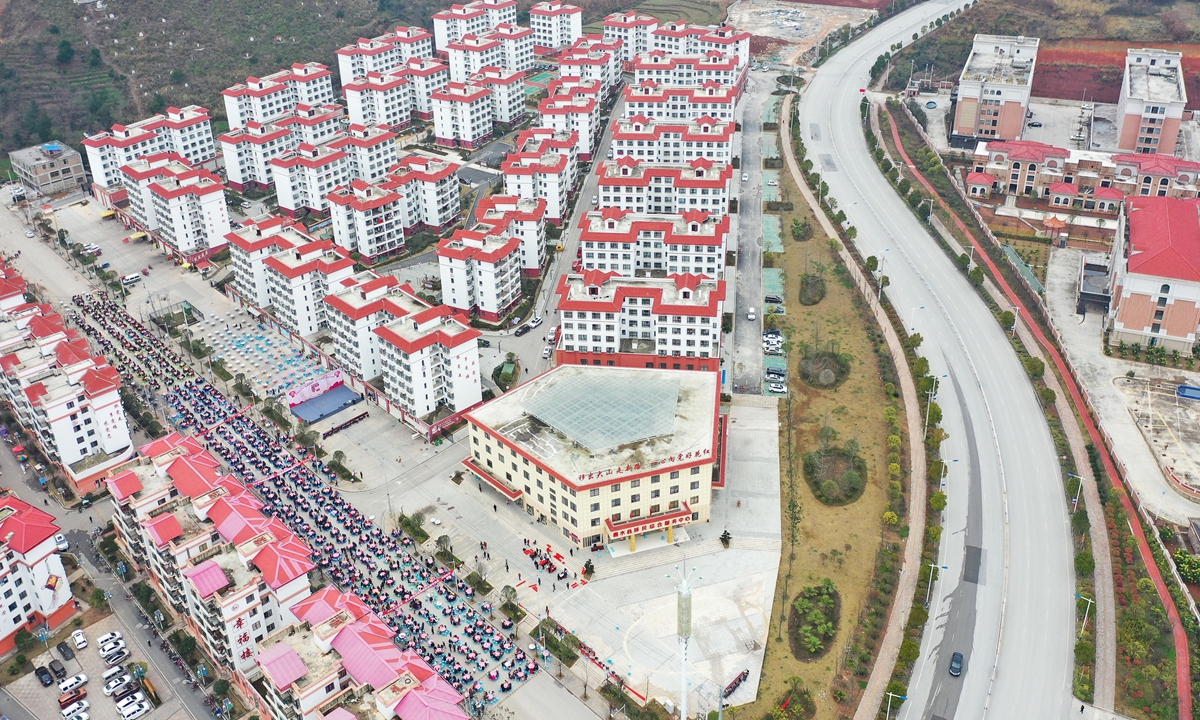
An aerial view of a poverty alleviation relocation community in Huishui, Southwest China's Guizhou Province Photos on this page: VCG
Editor's Note:
Chinese President Xi Jinping has pointed out, "to understand China today, one must learn to understand the Communist Party of China (CPC)." With the rapid development of China's economy and society, and the steady advancement of the Chinese path to modernization, the notable achievements of the CPC have drawn extensive international attention and scholarly interest. Against this backdrop, the Global Times has launched the "CPC in Global Eyes" column, focusing on the feelings, perspectives and insights of international friends from various fields regarding the CPC's historical path and achievements.
They include those who have toured China, who deeply study the CPC in academic fields, who work, live, study, seek employment or do business in various fields in China, and who, though having not visited China in person, pay close attention to the CPC's policies and trends. Through their vivid personal experiences, we aim to present a multifaceted overseas view of the CPC.
In the tenth installment of this series, we turn our attention to China's rural revitalization through the lens of Robert Lawrence Kuhn, chairman of the US Kuhn Foundation. Drawing on decades of firsthand observation, Kuhn highlights how governance, innovation and a people-centered approach are reshaping rural life. From modern infrastructure to technological advancement, China's strategy reflects a long-term vision to narrow urban-rural gaps and advance balanced, sustainable development.
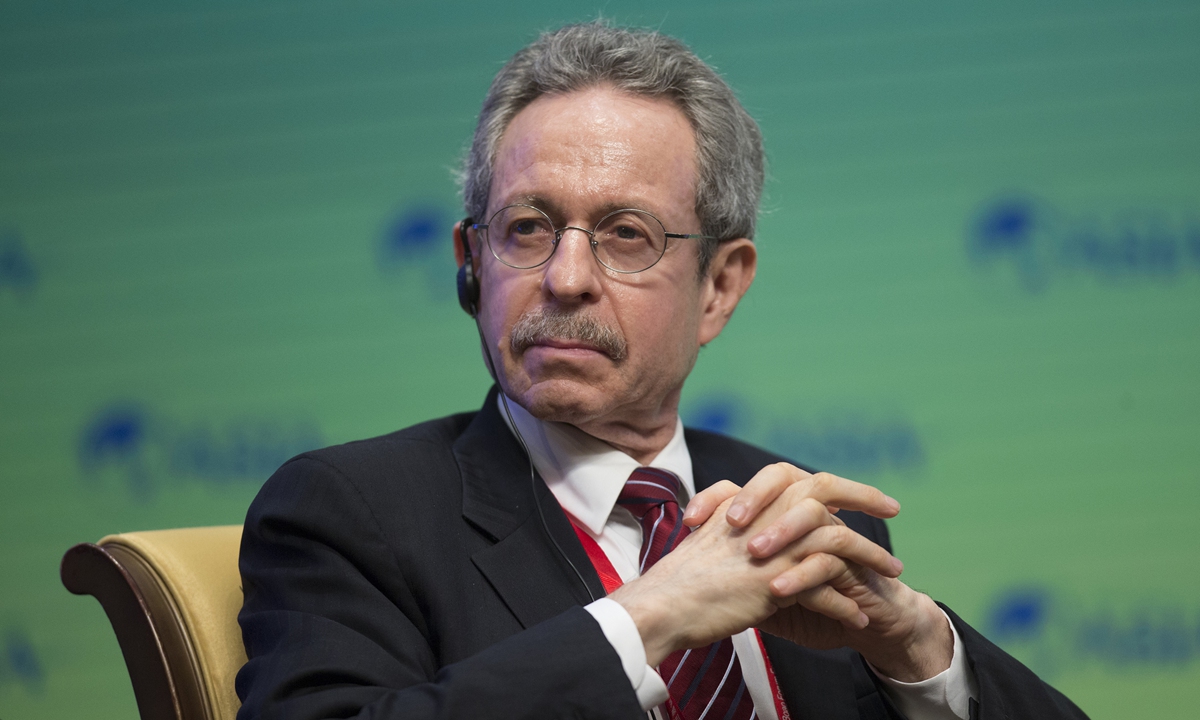
Robert Lawrence Kuhn, chairman of the US Kuhn Foundation
Standing inside her newly finished home in Huishui County, Southwest China's Guizhou Province, an elderly local woman told the US visitor Robert Lawrence Kuhn with satisfaction, "I've grown quite used to life here. It's much better than in our old village."
The elderly woman now lives with three generations of her family in this new home. Between 2016 and 2019, Kuhn, chairman of the US Kuhn Foundation and recipient of the China Reform Friendship Medal, visited Huishui multiple times. During his trips, he followed the new community's first Party secretary door to door, meeting families who had recently settled in.
The woman's home was no exception. As part of a poverty alleviation initiative, the entire village had been relocated from remote mountain areas. Some families, like hers, moved roughly 70 kilometers to this newly built resettlement community.
According to Kuhn, villagers paid only a small amount of rent, with most of the funding coming from the government. A family of four could receive up to 80 square meters of living space, along with all basic facilities provided by the government - a significant improvement from their previous living conditions.
"It has been an honor to engage deeply with China's poverty alleviation efforts and understand how they worked and why they succeeded. For me, it has been a life-changing experience," Kuhn told the Global Times.
Over the past decades, Kuhn and his long-time collaborators have traveled extensively across China, visiting more than 100 cities as well as countless counties, townships, and villages. His research has focused on China's poverty alleviation campaign and grass-roots governance in agriculture and rural affairs. Firsthand experiences in places such as South China's Hainan Province and Guizhou have deepened his admiration for the country's efforts.
He told the Global Times that these poverty alleviation experiences hold reference value for many developing countries, home to hundreds of millions of people still living in poverty.
Following China's victory in eradicating extreme poverty, Kuhn spoken highly of the country's rural revitalization strategy, which reflects a continued commitment to narrowing the urban-rural gap and advancing common prosperity. The policies outlined in China's 15th Five-Year Plan further reinforce this direction.
Stories from the frontline
"I have been telling China's story to the world in various forms," Kuhn told the Global Times. "Although China has many achievements, and there have been numerous stories to tell, none has been as representative of the real China, and none has been so powerful in impact, as China's commitment to eradicate all extreme poverty in the country and China's systematic implementation to make it happen by the end of 2020."
In 2016, Kuhn made a trip to China and started the production of a documentary film titled Voice of the Frontline: China's War on Poverty, focusing on the country's large-scale anti-poverty campaign.
Reflecting on the experience, Kuhn firstly emphasized the strong support network behind the project. "Government departments gave us unprecedented access, allowing us to participate in local programs and travel extensively across the country. Villagers, officials and supervisors welcomed us openly. Their firsthand accounts were essential in capturing an authentic, grounded perspective."
Kuhn spoke with villagers whose lives had taken very different paths: some lifted themselves out of poverty by starting businesses; some relocated to suburban areas; others, despite extreme hardship, chose to remain in their ancestral homes; and some relied on social security due to illness or frailty.
Through the process, Kuhn gained a deeper appreciation for the dedication of the Chinese people and their determination to build a better life for themselves. One of the most memorable moments, he recalled, was witnessing a "democratic evaluation meeting" in a village in Hainan, where residents collectively decided to support a young man whose father had cancer, while also celebrating another villager's successful escape from poverty.
Beyond the resilience of villagers, Kuhn observed the tireless efforts of Party members and officials working on the frontlines.
In Qiongzhou, Hainan, a young local poverty-relief official pulled out a thick stack of files from a cabinet, each one a detailed record for an individual household. Kuhn couldn't help exclaiming, "So many?"
It meant that across China, millions of families had tailored poverty alleviation plans, each tracked, reviewed, and updated monthly. These records were then digitized and reported upward for central analysis, Kuhn said.
"What moved me most were the young Party officials working quietly on the ground," Kuhn said. "Many could have pursued promising careers in major cities, but instead chose to spend years in remote villages, helping people out of poverty."
After Kuhn's documentary on China's poverty alleviation aired, it generated considerable attention overseas.
Kuhn was awarded the China Reform Friendship Medal in 2018, recognizing his contribution to the understanding of China in all its richness, achievements, complexities and challenges, according to the Xinhua News Agency.
On February 25, 2021, China has declared a "complete victory" in the fight against poverty, with all 98.99 million rural residents living below the poverty line lifted out of poverty, Xinhua reported.
Kuhn noted that while eliminating extreme poverty was essential, China's broader goal is to narrow income and regional disparities, and he would continue to follow the country's rural revitalization efforts closely.
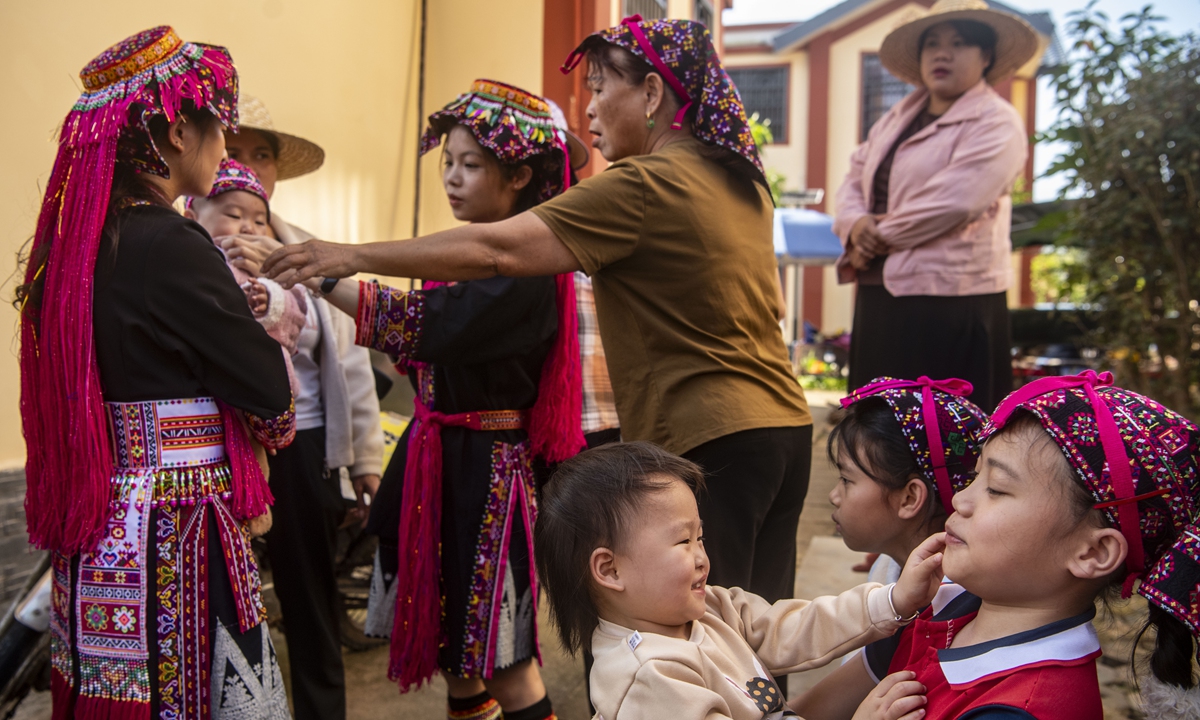
Relocated villagers play with children at the village entrance in Qionghai, South China's Hainan Province, on February 11, 2026.
Revitalization in action
China unveiled its "No. 1 central document" for 2026 on February 3, outlining plans to advance agricultural and rural modernization and to promote all-around rural revitalization. The document called for efforts to shore up weak links in agriculture and rural areas, and secure faster progress in building up China's strength in agriculture over the 15th Five-Year Plan period (2026-2030), according to Xinhua.
The country must give top priority to the issues related to agriculture, rural areas, and rural residents, promote integrated urban-rural development, and ensure that policies aimed at strengthening agriculture, benefiting farmers, and enriching rural areas deliver greater outcomes, according to the document, Xinhua reported.
Kuhn has observed the growing role of "new quality productive forces" in this process - innovation-driven development powered by advances in science and technology. In rural revitalization, this is particularly evident in agricultural technology, biotechnology, seed development and irrigation systems.
According to China's plans, by 2027, rural revitalization is expected to achieve substantial progress, with agricultural and rural modernization reaching a new level. By 2035, decisive progress should be made, with basic modernization of agriculture and rural living conditions largely achieved.
"To truly understand China's achievements in rural vitalization, one must recognize their direct connection to the strong mobilization capacity of the CPC and the government," he said.
He emphasized that the Party's leadership goes beyond issuing directives - it lies in execution through its organizational structure. "I've closely observed the Party's leadership system in rural development, understanding each Party secretary's responsibilities and how they coordinate. All of them treated poverty alleviation as a top priority. Without such strong leadership, China could not have achieved its anti-poverty goals."
Equally striking to Kuhn was China's people-centered approach. He recalled visiting a village where the village's Party secretary patiently persuaded a few reluctant residents to relocate. Despite their poverty, relocation was never forced. "Throughout the campaign, the CPC consistently put people's interests first, both in its goals and in implementation."
I highly commend Party members at all levels for their dedication to improving people's well-being and for upholding a people-centered development philosophy, Kuhn said.
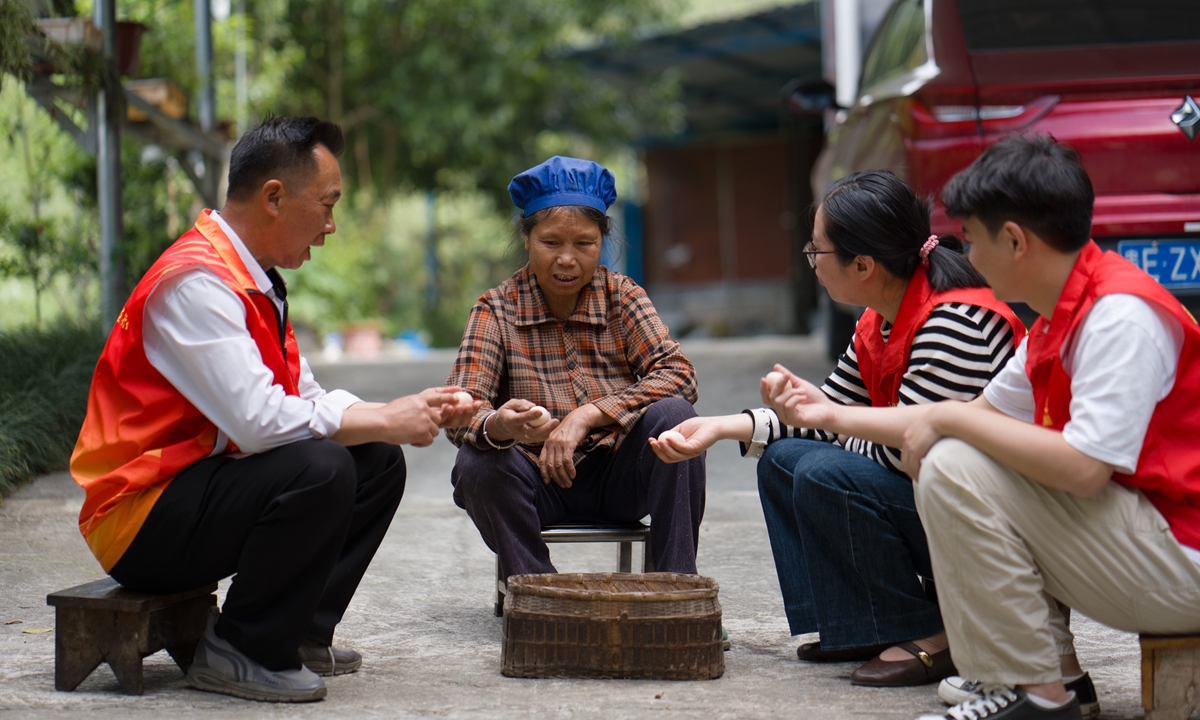
Village officials in red vests sit together with a farmer whose free-range eggs they are helping to sell in a village in Wangmo County, Guizhou Province, on April 10, 2025.
Global significance
Kuhn believed that studying China's rural development not only holds global significance but also offers a deeper, more nuanced understanding of the country, one that can help the world better grasp the "real China" and build mutual trust.
China has been a major contributor to global poverty reduction. Over the past 40 years, the number of people in China with incomes below $1.90 per day - the International Poverty Line as defined by the World Bank to track global extreme poverty - has fallen by close to 800 million. With this, China has contributed close to three-quarters of the global reduction in the number of people living in extreme poverty. At China's current national poverty line, the number of poor fell by 770 million over the same period, according to the World Bank Group in April 2022.
Kuhn noted that China's large-scale poverty alleviation campaign offers valuable lessons for other developing countries. "What China achieved by 2020 will be recognized as one of the greatest stories of the 21st century. When future historians write about our era, China's 'targeted poverty alleviation' will likely stand out as a defining chapter."
China is now working to address internal imbalances between urban and rural areas, while continuing to share its development experience with other countries, Kuhn observed.
"I am so pleased to have the chance to study China's poverty alleviation campaign, because I learned more than I had realized about China and the CPC, as well as about poverty alleviation itself," he told the Global Times. "It serves as a powerful example for examining the CPC's governance structure and organizational capabilities, specifically how they work to address major opportunities and challenges."
RELATED ARTICLES