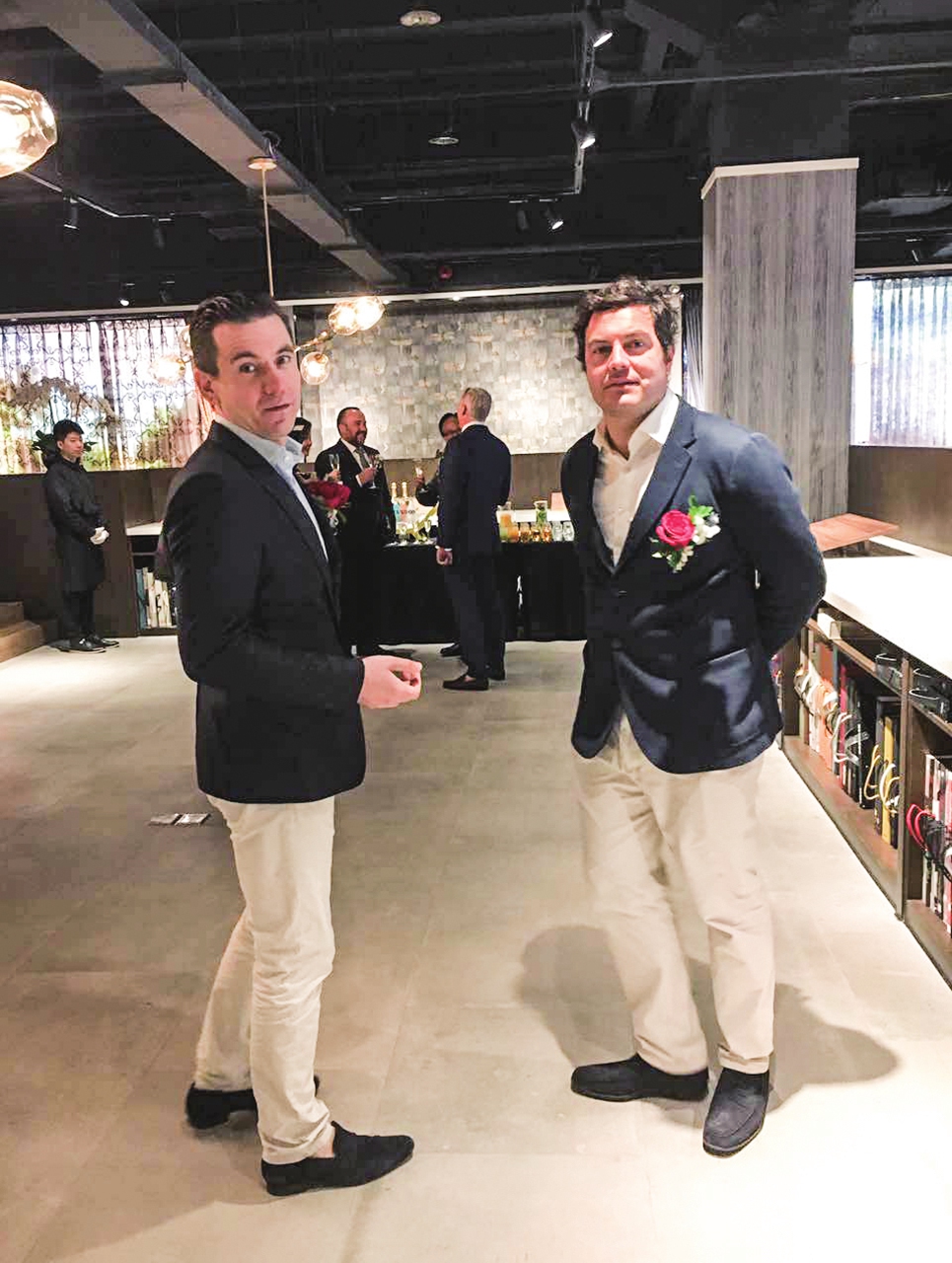
Alessio Sghinolfi and Gianmaria Delfino (right) Photo: Milano Finanza
The growing mobility of consumers and the ease of access to international markets mean that some Chinese customers prefer to purchase directly in Europe, where prices may be more competitive. However, sometimes the most challenging phases become the moments when the boldest ideas are born.Two Italian entrepreneurs with over 20 years of experience in the furniture sector have decided to respond with a different approach by building a new market presence platform: the Furla Casa showroom in Shanghai.
"The project stems from the belief that, in a phase of market transformation, it is necessary to rethink how Italian companies relate to customers in China," explained Gianmaria Delfino and Alessio Sghinolfi to Italian newspaper Milano Finanza.
With the new project that creates a synergy of their expertise, they aim to approach the Chinese market innovatively, starting from layout.
The showroom is developed over two levels. The first floor is entirely dedicated to the Furla Casa monobrand, a spin-off of the well-known Bologna-based parent fashion company Furla, particularly for accessories and bags, and represents the expression of the Furla lifestyle in the world of interior design.
The second floor, which spans approximately 1,500 square meters, hosts a selection of Italian furniture brands covering various categories of interior design, from kitchens to custom furnishings to accessories. Among these are companies like Cesar, San Giacomo, Miniforms, and Italia Lounge, with other Italian brands gradually joining them.
The collaboration between Delfino and Sghinolfi arises precisely from the complementarity of their experiences.
On one side, there are brands particularly strong in the world of accessories and lifestyle design; on the other, highly customizable systems such as kitchens, wardrobes, and bespoke paneling.
"The goal is to offer clients not just products, but a true design platform capable of developing complete solutions for private residences, hospitality, and real estate projects," continued Delfino and Sghinolfi.
However, the significance of this space goes beyond the commercial aspect.
At a time when many industry operators prefer to reduce investments or adopt defensive strategies, the opening of a showroom of this size also represents a stance on the future of the market.
This model based exclusively on local retailers may gradually give way to a more direct presence of brands in the country.
For Italian companies, this means being closer to customers, better understanding the new market needs, and building stronger relationships with architects, developers, and investors.
In this perspective, the Furla Casa showroom is not just an exhibition space but also a laboratory for dialogue between Italian design and the Chinese market, a place where entrepreneurs, designers, and industry operators can meet to envision new modes of collaboration in a rapidly evolving economic context.
If the market is changing, the approach to it must also change.
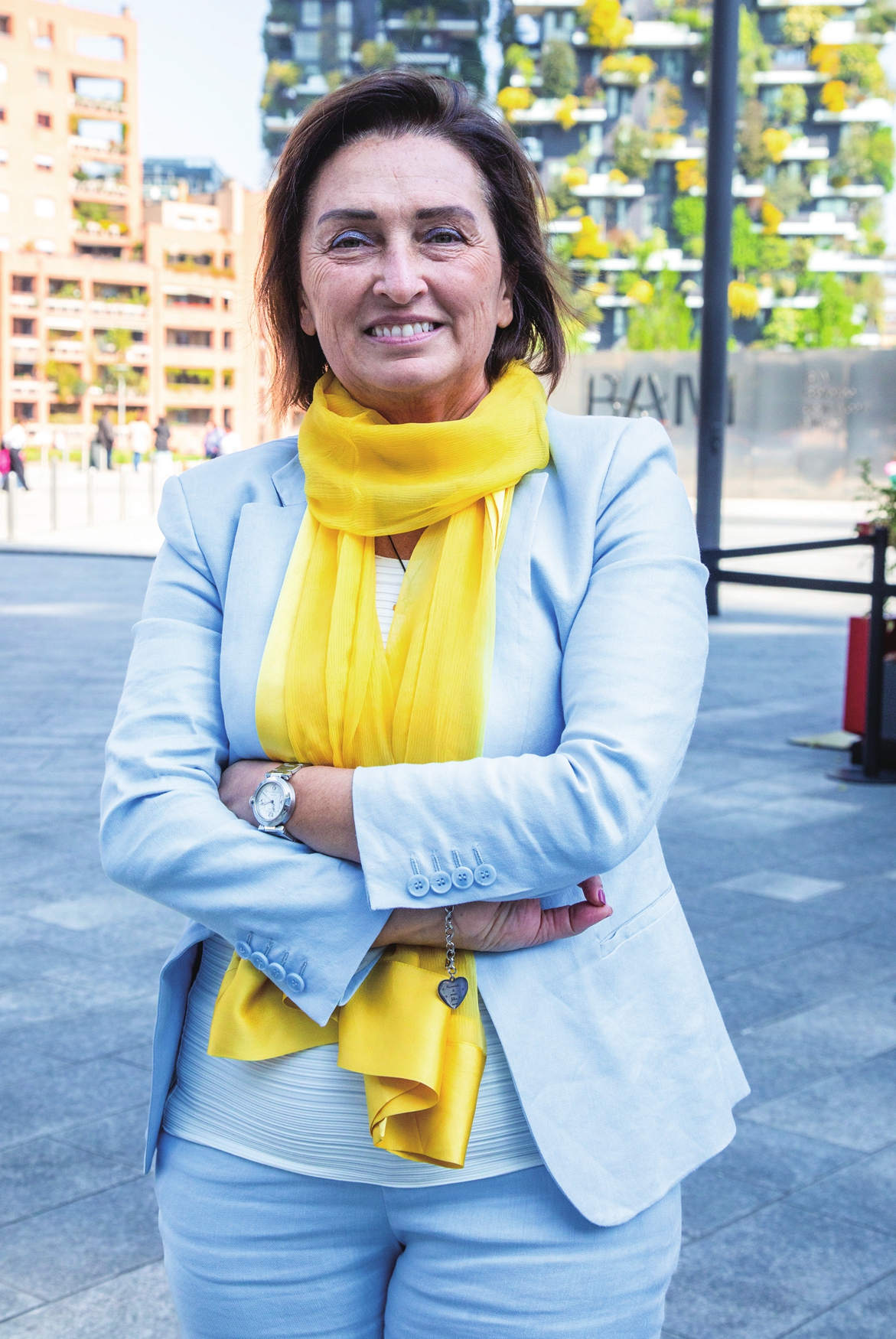
Fabiana Scavolini Photo: Courtesy of Ermes Beltrami
"The Chinese customer no longer evaluates only the functional component of the product but is increasingly sensitive to the brand's story, its image, and the design culture it expresses," said Fabiana Scavolini, CEO of Scavolini, the family business founded by her father in 1961.Producing kitchens and furniture, the company is a leader in the European market and has been present in China for over 15 years.
Between 2015 and 2020, China experienced a phase of extraordinary economic development. During those years, the Chinese customer was particularly inclined to spend, especially in the lifestyle and international design sectors.
Purchasing Italian products was not just an aesthetic choice but also a status symbol and an opening to the world.
"However, the post-COVID period has accentuated some changes in consumer behavior, reinforcing the focus on personal well-being, the quality of time spent at home, and the family dimension," explained the entrepreneur.
"In high-end homes, interior design no longer responds to the need to showcase status but reflects the desire to live in a home as an authentic space. This is where Italian kitchens fit perfectly, thanks to the attention to design in every detail, the use of high-quality materials, and the ability to combine aesthetics and functionality."
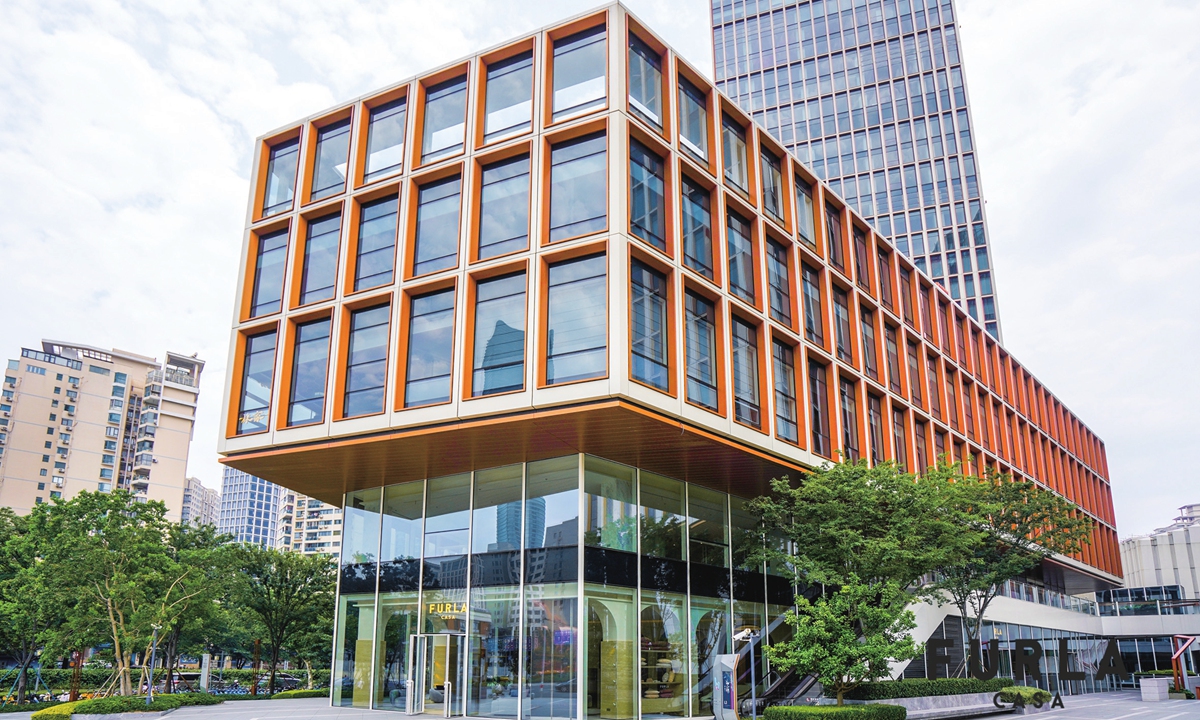
Furla Casa in Shanghai Photo: Milano Finanza
Despite the more selective context, the Chinese market continues to offer interesting prospects and proves receptive to the values that characterize the brand: "quality, design, and customization, elements that represent a competitive advantage for us and allow us to look confidently at future developments."Scavolini is currently present in China with 30 points of sale, including recent openings in Shanghai, Tangshan, North China's Hebei Province, and Wuhan, Central China's Hubei Province. She is working on new partnerships in both the retail and contract sectors to realize projects at the national level with some of the country's leading developers.
An impetus may also come from urban regeneration programs in major cities.
"We believe this could have a positive impact in the medium to long term, promoting the renewal of homes and stimulating a new demand oriented toward the quality of living spaces," concluded Scavolini.
"Interesting opportunities are opening up for our sector, especially in the mid-high range, where customers are increasingly sensitive to design value, aesthetics, and customization."
RELATED ARTICLES