Illustration: Liu Xidan/GT
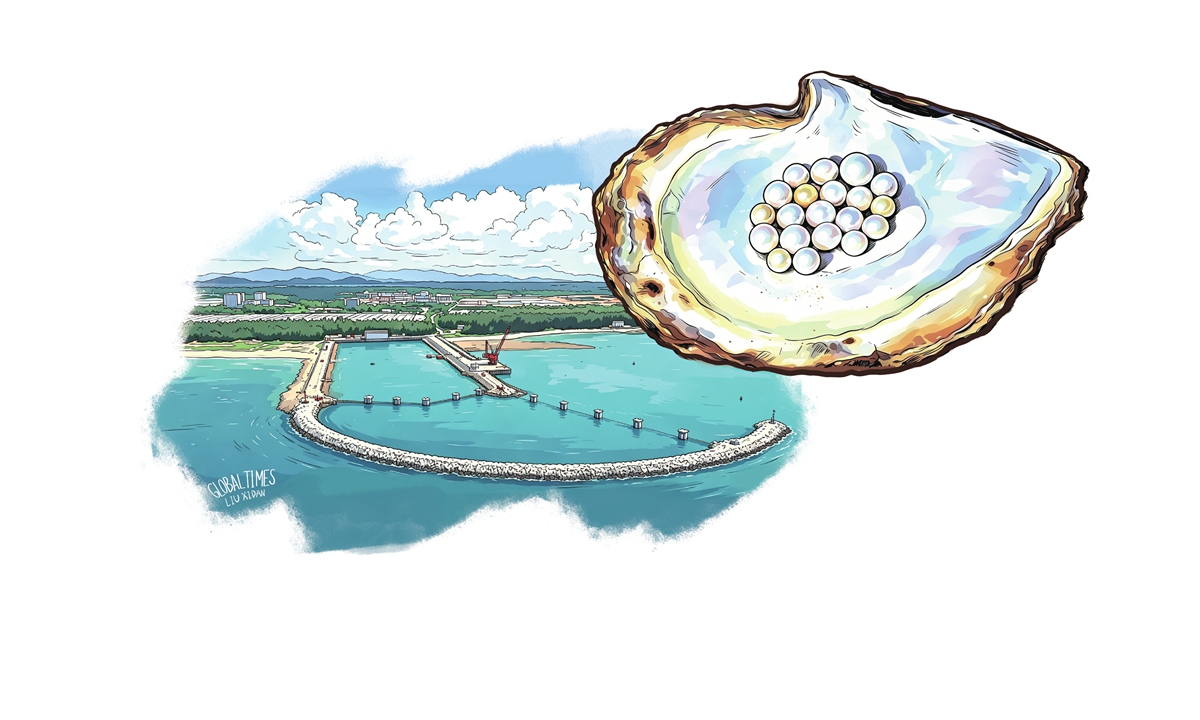
Offshore the Changjiang nuclear power plant in South China's Hainan Province, pearl oysters are thriving in crystal ocean waters. This unexpected scene is not a sight from a futuristic sci-fi movie, but it's actually from a real news clip aired by the state broadcaster CCTV News on Saturday.Right beside the facility that generates clean nuclear electricity, environmentally friendly farming has emerged as a new complementary industry, overturning conventional stereotypes of what a nuclear plant can be. This innovative cross-boundary model vividly demonstrates how China's new development philosophy, featuring innovation, coordination, green growth, openness, and shared benefits, is reshaping traditional industries and unlocking enormous ecological and economic value.
When nuclear power meets pearl farming, the new integration is no longer just about the one-dimensional narrative of China's clean energy progress - "how much green power is added, how much carbon will be cut." Rather, it shows how the country's high-quality economic development is opening up new avenues for growth while significantly protecting our living environment.
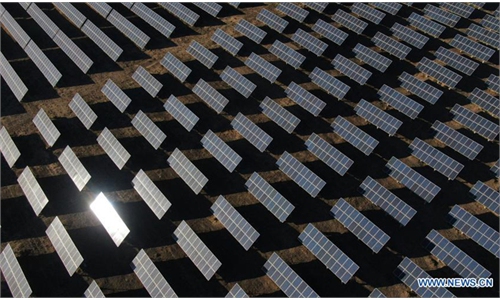
China has become the world's leading producer of clean energy. Solar, wind, nuclear and hydro - these clean energy projects spread across various regions of China deliver a steady flow of clean electricity, contributing to economic growth and global carbon emission reduction, and increasingly combine with various local advantages to extend green industrial chains and nurture new growth engines.
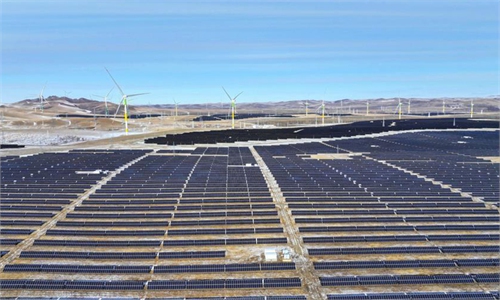
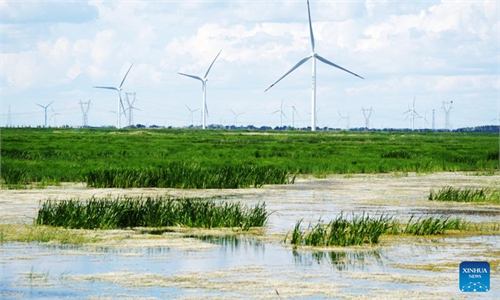
While the nuclear power plant on the southern coast of China is integrating with marine aquaculture, solar photovoltaic projects in Northwest China are combining with desert control and animal husbandry, and wind power projects in Northeast China are integrating with green hydrogen and chemical production plants.
For instance, in Northwest China's Qinghai Province, the innovative "solar + desert control + livestock farming" model has helped turn extensive barren land into productive solar farms, where grazing sheep and drought-resistant crops grow under panels, creating a mutually beneficial cycle of power generation, ecological restoration and rural income growth.
The nationwide green transformation marks a profound upgrade in the logic of China's high-quality development.
By embedding green power into diversified local scenarios and longer value chains, China is turning clean energy advantages into real economic, social and ecological benefits. Such practices not only enrich the implementation of China's new development philosophy, but also provide replicable, practical experience for the world to pursue a balanced path of energy exploration and sustainable economic development.
And, multiple Chinese-backed renewable energy projects abroad are leveraging local advantages and branching into other industries, giving rise to a "Clean Energy +" cooperation model in those places.
Take the Al Shuaibah photovoltaic plant - built by a Chinese firm and the largest solar project in the Middle East for an example. It delivers green and cost-competitive electricity to improve local livelihoods and local economy, and it also supports realization of the digital economy and other goals of Saudi Arabia's Vision 2030.
Along Saudi Arabia's Red Sea coast, Chinese companies are deeply engaged in NEOM - the country's futuristic "city of tomorrow" - helping build railway systems, data centers, and wind-power networks that advance Vision 2030's ambitions, according to an October report by the Xinhua News Agency.
As clean energy increasingly cements its role as an important pillar of the global future, the innovative integration of green power with local industrial development will continue to gain momentum.
Guided by consistent innovation, coordinated development, and win-win cooperation, China's green growth journey will keep on unlocking new value domestically and generating greater positive spillover effects for the world - a reference of a more balanced, sustainable, and prosperous path for other countries.
From the pearl farms near the nuclear power plant in Hainan to more forward-looking scenarios integrating reliable green power with a wide range of diverse industries across the globe, such a development model delivers both sustainable economic growth and sound ecological conservation, which will be exemplary for the world.
The author is a reporter with the Global Times. bizopinion@globaltimes.com.cn
RELATED ARTICLES