China’s industry watchdog seeks public comment on penalty guidelines for rare earth sector regulation

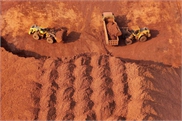
Rare earth resources Photo: VCG
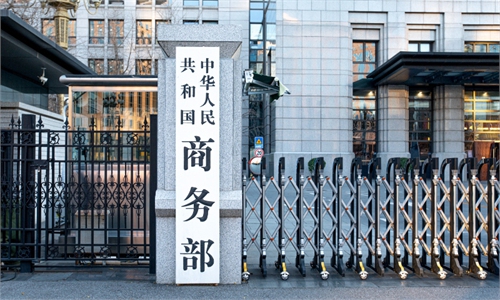
According to a notice published on the ministry's website, the draft aims to better implement the regulations, standardize law enforcement in the rare earth sector, and strengthen law-based governance.
The document specifies the legal basis, penalty standards and applicable conditions for six categories of violations. It also introduces a four-tier system for enforcement discretion based on the severity of offenses: no penalty, lenient penalty, standard penalty and severe penalty.
Covered violations include breaches of total quota control rules in rare earth mining and smelting and separation; unauthorized entities or individuals engaging in smelting and separation activities; and rare earth comprehensive utilization enterprises using rare earth mineral products as production inputs.
Other violations include the purchase, processing or sale of illegally mined or smelted rare earth products; failure by enterprises to accurately record and upload product flow data to the traceability system; and refusal to cooperate with, or obstruction of, lawful inspections by regulators.
Penalties may include the confiscation of illegal gains, illicit products and equipment directly used in unlawful activities, along with fines of varying degrees. In serious cases, business licenses may be revoked, the draft states.
Public feedback can be submitted via mail, email or fax through May 28, 2026, according to the MIIT notice.
Rare earths are strategic mineral resources with important applications in advanced manufacturing, new-energy vehicles, wind power, electronics and other high-tech sectors. Strengthening regulation over mining, smelting, separation, circulation and traceability is therefore not only necessary for protecting resources and the environment, but also for ensuring orderly market operations and safeguarding industrial security, industry analysts said.
In recent years, China has introduced multiple policies and measures in aspects including industry entry standards, sector consolidation, and environmental protection, which effectively promoted the sustainable and healthy development of the industry.
The State Council regulation, issued in 2024 and effective from October 1 that year, states that the country will pay equal attention to resource protection as well as development and utilization, while following the principles of overall planning, ensuring security, boosting technological innovation and promoting green development.
The regulations also stipulate that rare earth management should follow the principles of overall planning, ensuring security, technological innovation and green development, while covering key areas including total quota control, comprehensive utilization, environmental protection, product traceability, import and export management, reserves and legal responsibilities.
RELATED ARTICLES