Japan studies possible export of Type 88 missiles to Philippines; expert says limited capability but warns malicious intent behind lethal arms transfers
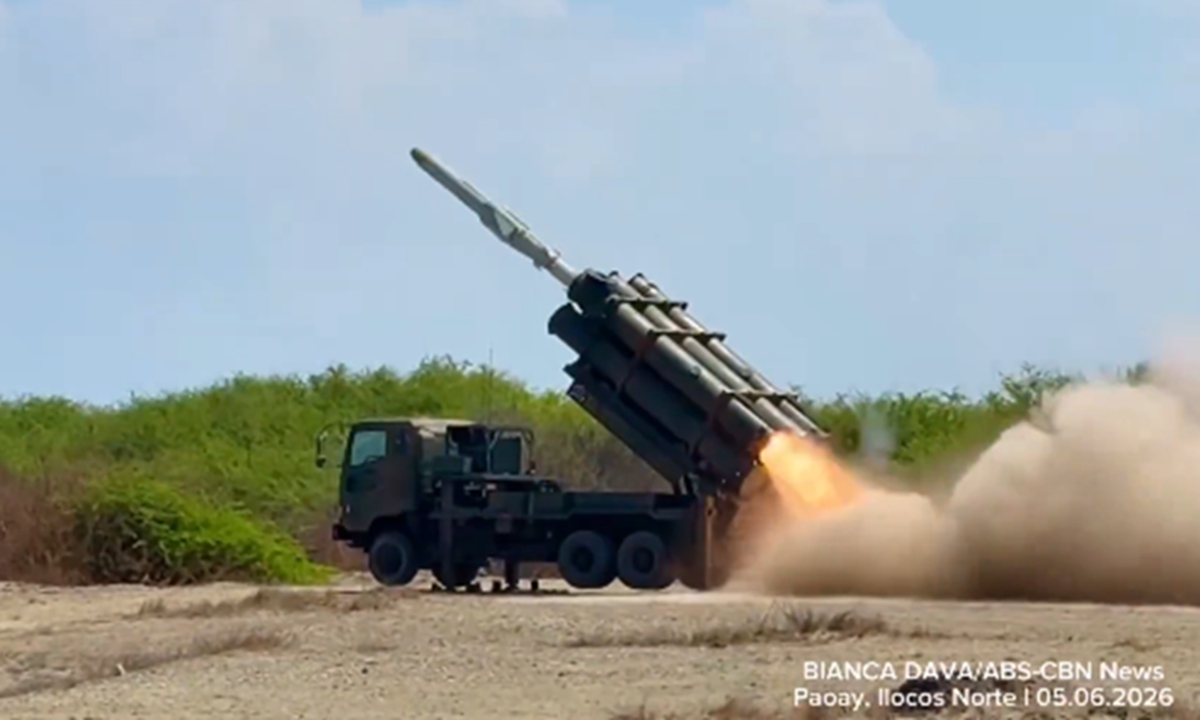
Japan fires Type 88 surface-to-ship missiles on May 6, 2026 during the Balikatan 2026 joint military exercise in Philippines. Photo: screenshot from the video released by Philippine media outlet ABS-CBN News on X.
Japan's Defense Ministry has begun studying the possible export of the Type 88 surface-to-ship missiles after the Philippines expressed interest in acquiring the system earlier this month, according to sources cited by NHK on Friday. The missile system was recently fired during the 2026 US-Philippines Balikatan joint military drills.
A Chinese military affairs expert told the Global Times on Friday that the aging offensive weapon poses limited military threats, but warning that for a country that was once an aggressor and defeated power in WWII, such actions are clearly offensive in nature and highly dangerous.
The Type 88 surface-to-ship missile is a land-based anti-ship weapon with a range of more than 100 kilometers and is currently operated by the Japan Ground Self-Defense Force (GSDF), NHK reported.
According to informed sources, the Philippines expressed interest this month in acquiring the missile system from Japan through an equipment transfer arrangement, prompting the Japanese Defense Ministry to launch a review of its potential export, said the report.
The report added that the ministry is considering exporting missiles from the current GSDF inventory, as the GSDF plans to gradually retire the Type 88 system and replace it with a newer model.
The development came shortly after the Japan Self-Defense Forces (JSDF) launched the Type 88 surface-to-ship missile during the maritime strike component of Balikatan Exercise 2026 on May 6, according to the Philippines' ABS-CBN News. The launch marked Japan's first overseas firing of offensive missiles since the end of WWII, Xinhua reported.
Japan and the Philippines are also reportedly advancing other defense transfer projects. On May 5, Japanese Defense Minister Shinjiro Koizumi, who was on an official visit to Manila held talks with Philippine Defense Secretary Gilberto Teodoro. The two sides agreed to begin relevant consultations on the export of Japan Maritime Self-Defense Force Abukuma-class destroyer escort ships that are set to be retired, reported Asahi Shimbun.
In April, the Japanese government officially revised "the three principles on transfer of defense equipment and technology" and their implementation guidelines to enable overseas sales of weapons, including those with lethal capabilities.
The policy shift has faced domestic opposition in Japan. A NHK poll in March showed that when asked whether the government and ruling coalition should, in principle, allow the export of lethal weapons as part of defense equipment transfers, 32 percent were in favor and 53 percent were opposed.
While these export moves signal a policy shift, military expert Zhang Junshe told the Global Times on Friday that the Type 88 surface-to-ship missile has been in service for nearly 40 years and is now primarily used by Japan for training purposes, posing a limited threat to today's advanced naval vessels.
Meanwhile, other equipment slated for export largely represents extensions and combinations of existing systems rather than revolutionary technological upgrades, Zhang noted.
However, Zhang stressed that although the second-hand missile destroyers Japan intends to transfer to the Philippines are less capable than Japan's active frontline warships, they could still improve the Philippine military's operational capabilities to a certain extent. He said Tokyo's intentions appear aimed at cultivating another anti-China force in the South China Sea, encouraging the Philippines to provoke China in order to reduce the counterpressure Japan faces over its own provocations in the Diaoyu Dao direction.
"Its ulterior motives are extremely malicious," Zhang stressed.
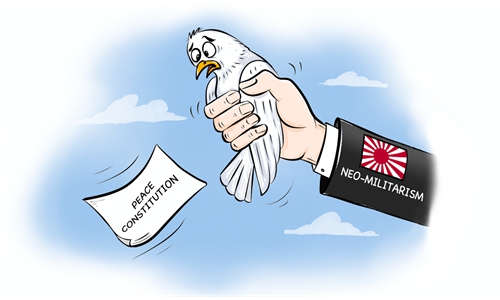
Japan's moves, including breaking restrictions on lethal weapons exports, deploying military forces overseas in organized formations for exercises, and conducting live-fire launches of offensive missiles abroad, demonstrate that its so-called pacifist constitution has become "largely nominal," while its exclusively defense-oriented security policy has been abandoned, the expert said.
"For a country that was once an aggressor and defeated power in WWII, such actions are clearly offensive in nature and highly dangerous. They will inevitably undermine regional peace and stability," Zhang said.
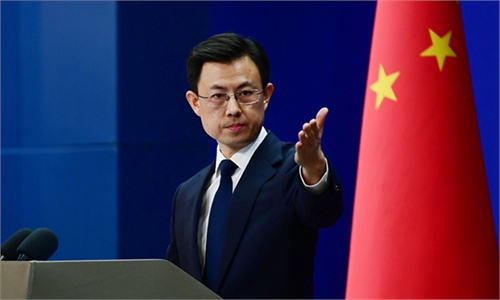
"By rearming Japan and breaching the pacifist constitution and stipulations in international and domestic laws, are Japan's right-wing forces trying to turn Japan into a country for war? Or to bring war back to the Asia Pacific? Using self-defense and "external threat" as pretexts, Japan's right-wing forces are gambling with the livelihoods of the Japanese people and jeopardizing peace and stability in the Asia Pacific. The largest antiwar protests in decades show that people across Japan are increasingly aware that the path back to militarism is a path down the abyss. All peace-loving nations and Japanese people should reject the remilitarization scheme of Japan's right-wing forces, and stem the rise of Japan's neo-militarism," Chinese Foreign Ministry spokesperson Guo Jiakun said on Wednesday, when asked to comment on the fact that the Takaichi administration's plan to revise the Constitution has been met with widespread opposition in Japan, which is witnessing the largest antiwar protests in decades.
RELATED ARTICLES