ARTS / CULTURE & LEISURE
Shanxi tomb discovery offers glimpse of Tang Dynasty burial culture
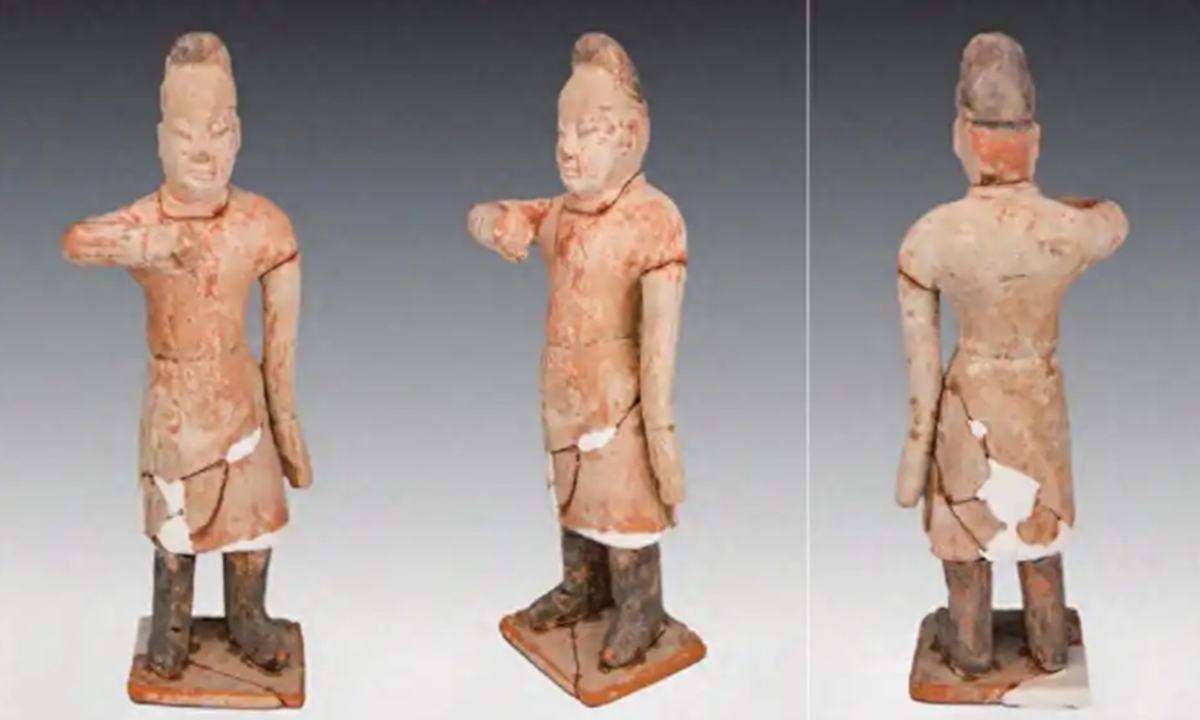
Pottery figurines from Tomb M67
Archaeologists in North China's Shanxi Province have released excavation findings from a Tang Dynasty (618-907) tomb containing nearly 100 burial objects, including vividly painted pottery figurines, which reflect the artistic and funerary traditions of the peak period of the dynasty, according to the Shanxi Provincial Institute of Archaeology.The institute published details of the excavation of Tomb M67, located northwest of Yaotou village in Longxing town, Xinjiang county. The tomb was among 72 graves uncovered during the excavation project, which also included four Han Dynasty (206BC-AD220) tombs, 17 Song (960-1279) and Jin Dynasty (1115-1234) tombs, and 48 Ming (1368-1644) and Qing Dynasty (1644-1911) burials.
M67 stands out because of its well-preserved structure and rich collection of funerary objects, offering valuable material for studying burial customs, social hierarchy, art and economic life during the Tang Dynasty's peak period, according to the institute.
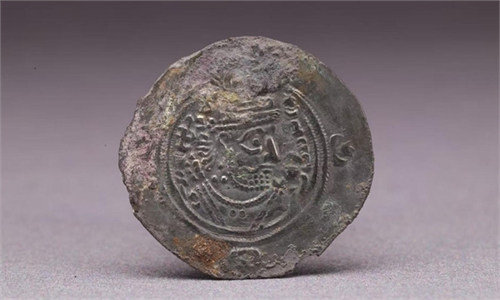
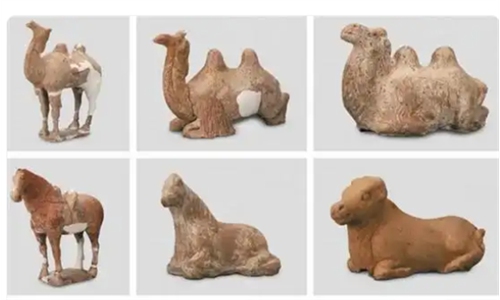
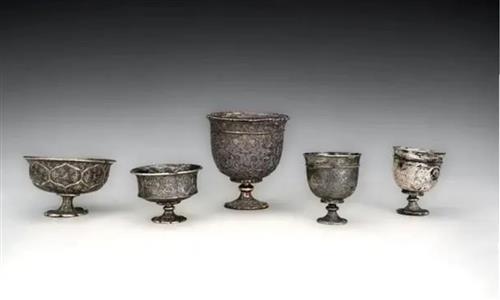
A total of 94 burial items were unearthed from the tomb, including pottery, bronze wares and an epitaph. The findings include five pottery jars, one pottery cup, four painted pottery figurines, two painted pottery camels, two painted pottery horses, two colored tomb guardian beasts, two colored heavenly king figurines and 74 gilded bronze objects.
Among the most notable discoveries are the painted pottery figurines, which are highly expressive and skillfully crafted. Two painted figurines, clad in bright armor with fierce facial expressions, were placed on either side of the tomb entrance to guard the deceased.
Liu Zheng, a member of the Chinese Society of Cultural Relics, told the Global Times that in ancient China tombs placed great emphasis on the construction of the spiritual world, and tomb guardian beasts were an important category within this tradition. People of that time believed these figures served to ward off evil and prevent disaster, leading to their widespread use in burials.
From the pre-Qin period (before 221BC) through to the Han Dynasty, such protective imagery was mainly expressed through paintings, while from the Han Dynasty onward, sculptural forms became more common, said Liu. Tang Dynasty tomb guardian beasts developed a distinctive style, inheriting the fantastical characteristics of the Northern and Southern Dynasties (386-589) while becoming more imposing and powerful in appearance.
Their size and level of complexity also varied across different periods, reflecting changes in artistic style and social context. These variations have also made them an important reference for dating tombs, added Liu.
The artifacts uncovered in the latest excavation are sure to further enrich the understanding of Tang Dynasty tomb guardian beasts and provide additional material for chronological analysis, noted Liu.
The M67 tomb has a relatively simple but complete structure. A tomb inscription cover bearing ink-written characters was also discovered, though most of the inscription text has become illegible, making it difficult to determine the exact identity of the tomb owner or the precise burial date.
The tomb owner was likely either a government official with a formal rank or a wealthy commoner with considerable economic means.
The findings provide important physical evidence for studying burial systems, social hierarchy, artistic traditions, and economic activity during the Tang period. They also help deepen understanding of both the material and spiritual culture of the era, according to the institute.
In addition, the discovery adds to the archaeological record on the evolution of tomb structures and burial objects in southern Shanxi during the Tang Dynasty, offering new data for regional research. Researchers say it holds significance for building a more complete understanding of Tang Dynasty history and culture.
RELATED ARTICLES