ARTS / CULTURE & LEISURE
Beijing launches first writers’ village in Mentougou district
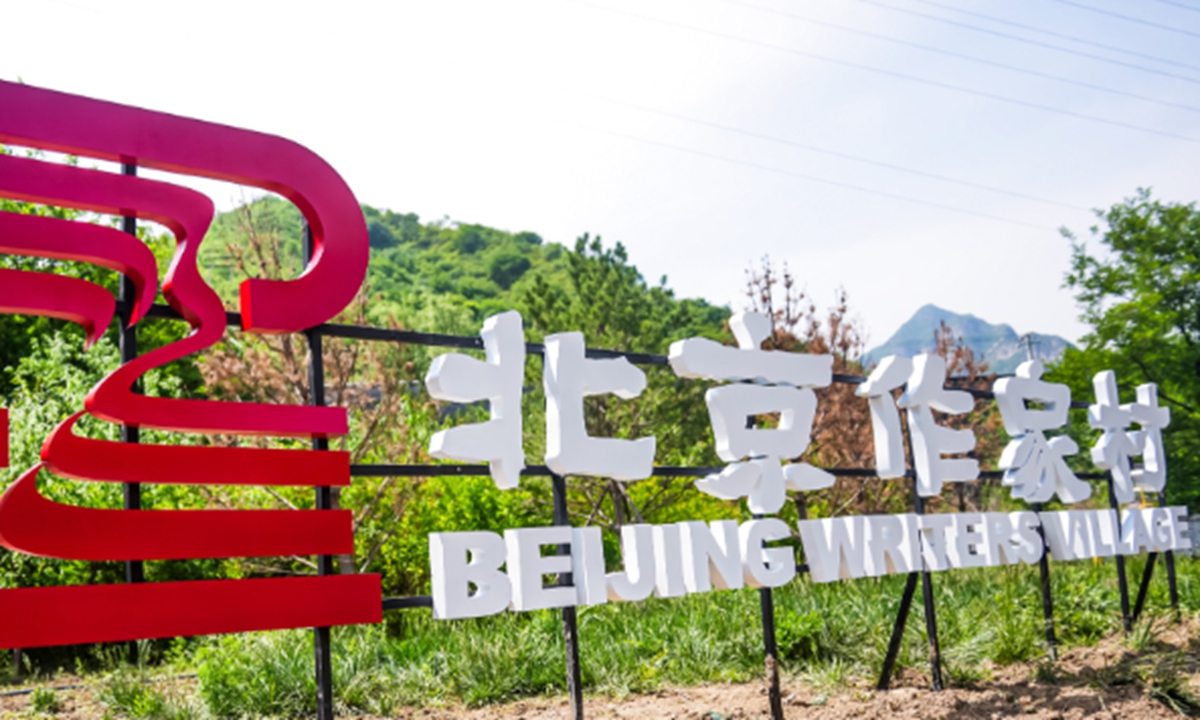
Beijing writers' village
Beijing's first "writers' village" has officially opened in Mentougou district, launching a new cultural hub that integrates literary creation, academic exchange, works showcase, immersive experiences and culture-tourism development.The event attracted nearly 20 established writers and emerging literary voices, including Chen Jiangong and Zhou Xiaofeng.
Located in Wangping town, the project introduces a model that differs from traditional literary residency programs. In addition to attracting novelists and poets, the village also welcomes screenwriters, directors and AI content creators.
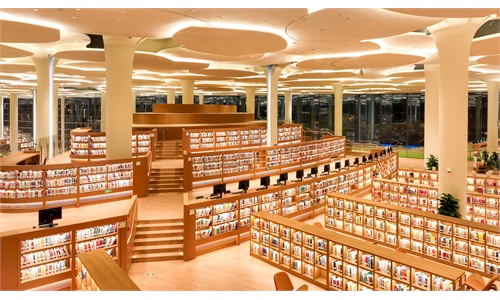
Alongside the opening ceremony, the Capital Library of China launched a new rural reading space named the "Writers' Village Reading Corner," marking the first time the library has established such a reading initiative in a village-level setting.
The reading area includes works by prominent contemporary Chinese authors, including Chen Jiangong, Li Er, Zhou Xiaofeng, Qiao Ye and Shi Yifeng, allowing local residents and visitors to access literature that is often more commonly found in urban bookstores and libraries.
According to a press release from the Capital Library of China sent to the Global Times, the reading corner was designed not only for literary enthusiasts, but also for nearby villagers, tourists and families. In addition to fiction and essays, the collection includes books related to western Beijing culture, local history, science education and children's reading materials in an effort to serve readers of different age groups.
The library selected around 200 books for a public book-sharing program that allows visitors to freely browse, exchange and donate titles. On-site staff also provide library card registration services, enabling visitors to apply for cards and immediately access reading resources.
A special cultural experience zone featuring a temporary "mobile reading room" that offers book browsing, library card registration, digital reading experiences, cultural product displays and interactive activities was also launched during the event.
Technology-focused cultural experiences became one of the most visible features of the event. Among them was an AI-generated interactive version of Lu Xun, one of modern China's most influential literary figures. Using AI-generated voice and image technology, the installation allowed visitors to hold simulated conversations with a digital representation of the writer.
An online service platform designed to support creators with services such as resource coordination, creative collaboration, location information, workspace reservations and residency applications will be established.
In the future, Wangping town is expected to develop into a hub for AI-powered micro-short drama creators and young literary enthusiasts, while also serving as a creative base for writers, editors, screenwriters and directors.
Leveraging the area's historic mountain trails and rural landscapes, local authorities also plan to build filming sites for village-themed short dramas, promoting deeper integration between literary creation, digital content production and rural tourism in an effort to explore a new rural cultural development model combining cultural IPs, technological innovation and industry development.
RELATED ARTICLES