ARTS / CULTURE & LEISURE
Immersed in rich ‘Shaanxi flavor’ on and off screen
Filming series like simmering soup: ‘The Lead’ director
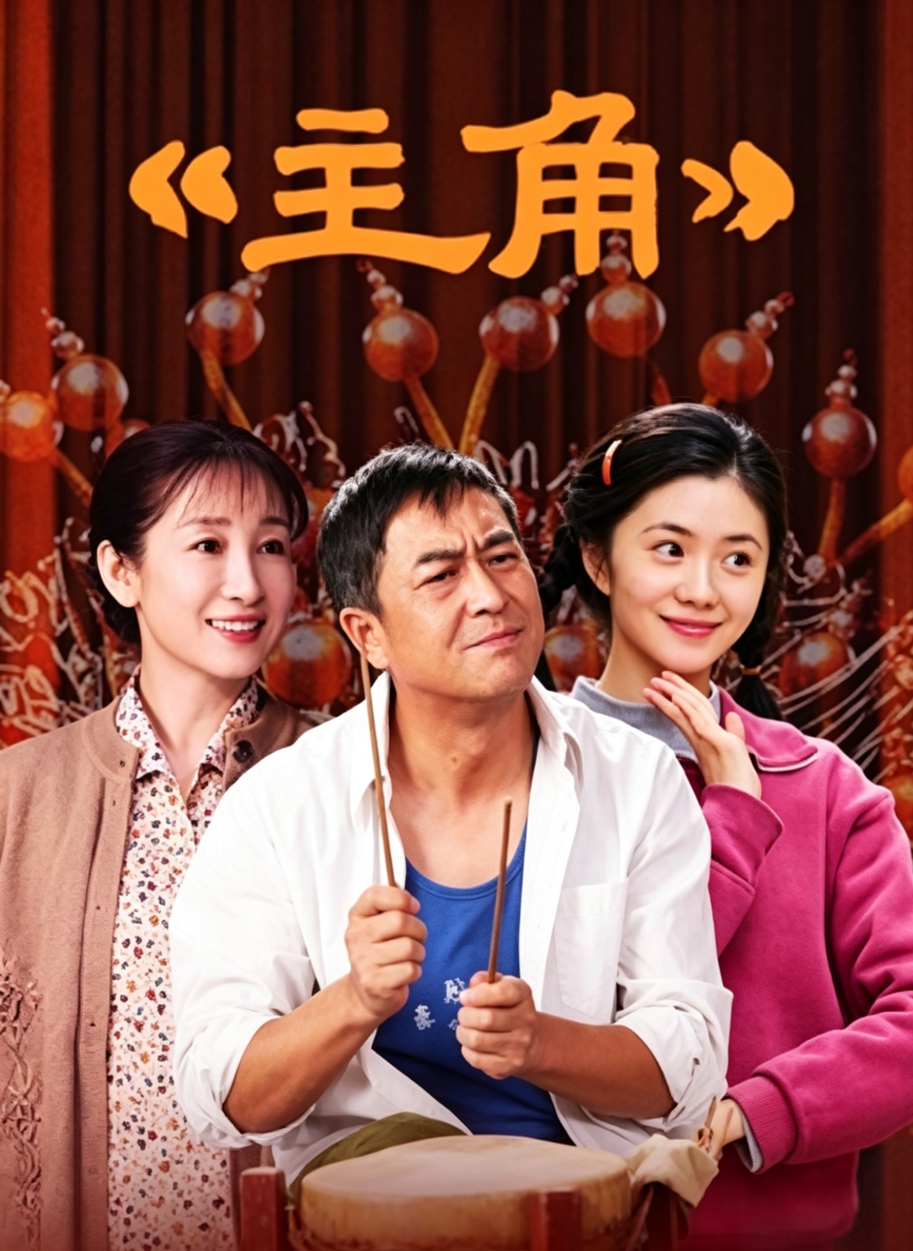
Promotional material for The Lead Photo: Courtesy of Douban
Chinese TV series The Lead, adapted from the Mao Dun Literature Prize-winning novel of the same name, is now airing to great popularity. As one of writer Chen Yan's "stage trilogy," this decades-spanning drama around the growth of Qinqiang opera (a Chinese folk opera school thriving in Northwest China) artists has been the subject of much discussion since its release.The drama's director, Li Shaofei, said in an exclusive interview with the Global Times, "Filming this drama is like simmering a pot of soup. You cannot rush it like quickly stir-frying pork kidneys - a few quick flips and it's done. It just wouldn't have the right flavor."
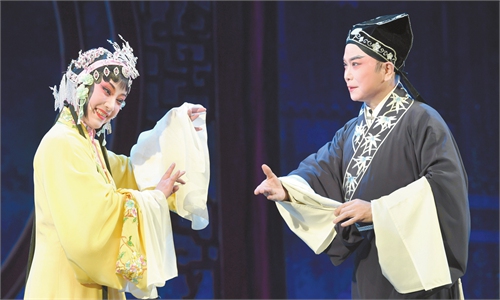
Qinqiang opera is the one constant background and theme in this TV series. Li explained that, to help audiences appreciate Qinqiang's charm but not lose track of the storyline, the screenwriters made careful arrangements from the very start. Every Qinqiang opera piece selected for the show mirrors the current situation in the drama. This way, what the audience sees is not just a performance but a reflection of current events or relationships in the story.
"Some young members of the audience might find it a bit tedious - sometimes a single line or a movement can take a long time to perform. That is when the relationships and the plot must support the opera scenes. While watching opera, the audience should also pay attention to the story. This helps remove boredom, and instead allows people see the beauty in Qinqiang," Li said.
This is not the first time Li has adapted a Chen Yan novel about the culture of Northwest China's Shaanxi Province. Before The Lead, he directed Stage Builder, which earned a high rating of 8.0 out of 10 on Chinese review platform Douban. Li said he did not feel any pressure filming The Lead. Any pressure he once had, he already faced when filming Stage Builder. At that time, it was his first time dealing with a work featuring opera elements and such a unique narrative style, and he had many doubts. But with The Lead, those feelings were gone. Supported by a dedicated crew who backed his ideas and secured production, he felt there was no need to worry about pressure. In his eyes, pressure is just a distraction. To combat this, he focuses on telling the story and portraying the characters with care in every project.
Li also pointed out the differences between The Lead and Stage Builder. He explained that Stage Builder tells a story about the joys and sorrows, the ups and downs of ordinary people - there is no clear main storyline, instead it is more about characters and feelings. The Lead, however, is different. It covers several generations - not just Qinqiang performers, but the spiritual struggles and life changes experienced by different generations of Chinese people. So, this drama is more like an epic of ordinary lives, with a variety of characters, classes, and perspectives, giving it a richness far beyond Stage Builder.
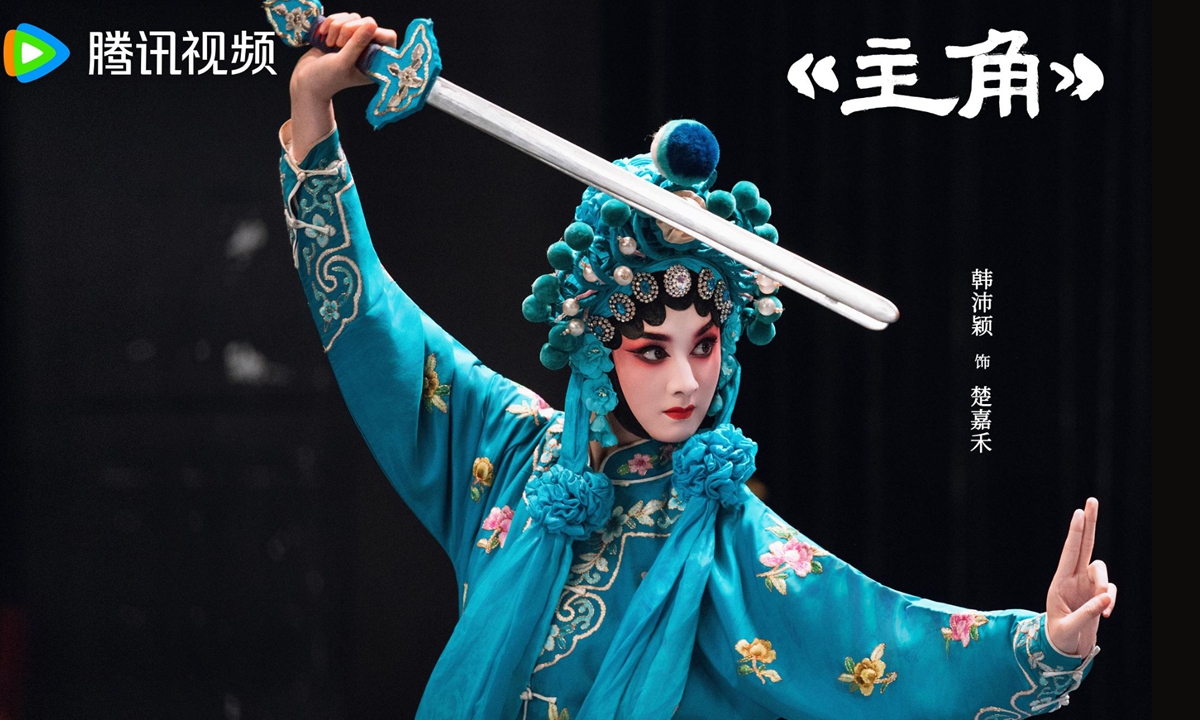
Promotional material for The Lead Photo: Courtesy of Douban
The story of The Lead takes place in Shaanxi Province, and many details in the drama feature the strong local flavor of Shaanxi. As an example, Li mentioned the character Hua Caixiang (a Qinqiang performer played by actress Qin Hailu) who runs a steamed cold noodle stall - a dish many in Xi'an eat every day; or amateur Qinqiang groups who sing near the Xi'an city wall at noon; or special ways of making and eating paomo (another traditional local Shaanxi dish). These details help the audience naturally get a sense of "Shaanxi flavor."The original novel already has a strong Shaanxi feel, and with both scriptwriters and most of the cast coming from Xi'an, and filming taking place there, the Shaanxi characteristics emerged naturally, without being forced.
While creating the period drama that crosses several eras, Li encountered several challenges and difficulties.
He said one challenge was making the past convincing - not only recreating clothing and settings, but also capturing the spirit and mindset of people during that time, including how they handled relationships. Another difficulty was language - the dialogue needed to be Putonghua (standard Chinese) with a Shaanxi accent, so it could be understandable but still keep that local touch. Also, when it came to presenting Qinqiang opera - a traditional art form passed down for over 2,000 years - the challenge was enabling non-professional Qinqiang actors to perform it in a short period of time in a way that would win recognition from professional artists. Much work was done by both the cast and crew to achieve this.
The Lead has sparked widespread discussion since its release. Many viewers who read the original novel have praised it, but some have noted that the pacing at the start was slow.
Li said that such differing opinions are normal. Those with more life experience can better understand the core of the story and relate to the novel. Given today's environment, some young people - especially the Post-2000 generation - do not know much about Qinqiang and were not interested at first. But once they started watching, they were drawn to the characters and stories - even though they were unfamiliar with Qinqiang itself.
"Filming this series is like simmering soup - it cannot be rushed. You have to follow the right process, so those who are looking forward to this show can get the flavor they expect," Li said.
RELATED ARTICLES