ARTS / CULTURE & LEISURE
Veteran Hong Kong actors’ devotion to acting a legacy for the industry
By Published: Jun 01, 2026 09:39 PM
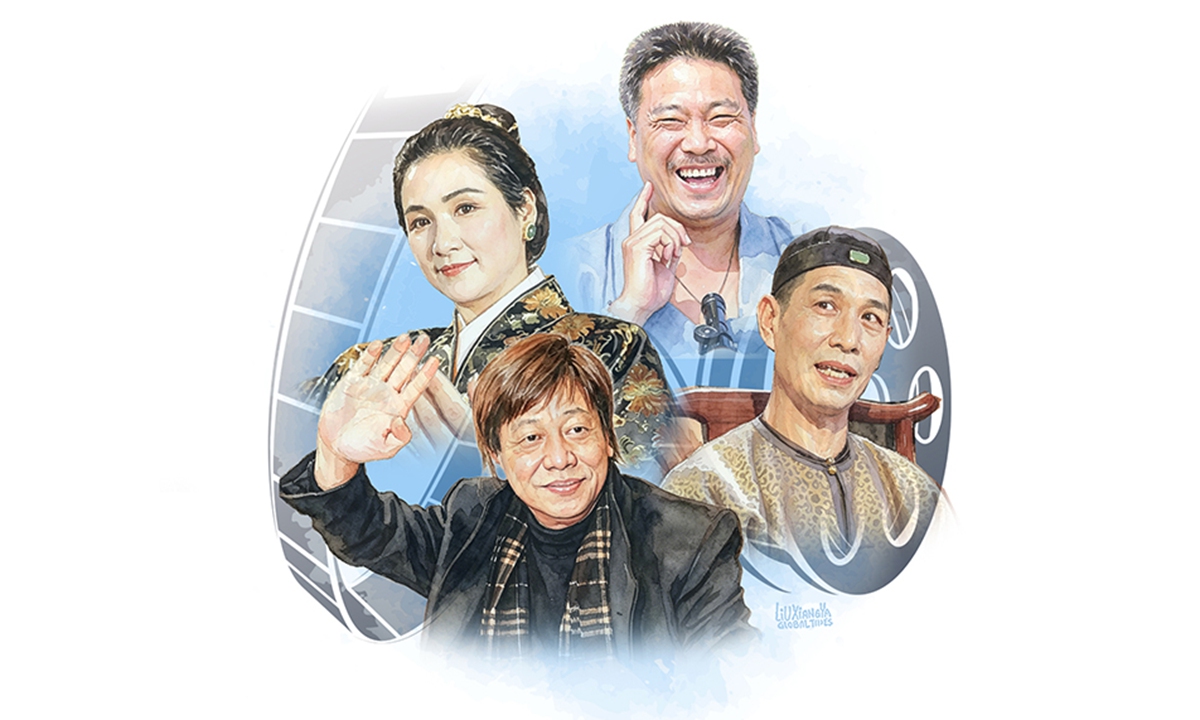
Illustration: Liu Xiangya/GT
The passing of renowned veteran Hong Kong actor Lau Shun at the age of 87 in late May has stirred widespread nostalgia among audiences across generations. Many Chinese mainland netizens took to social media to pay tribute to him and recalled the unforgettable characters he brought to life in classic Hong Kong films.
Hailed as a "versatile acting genius" in Hong Kong cinema, Lau never starred as a lead in his decades-long career. Yet with his seamless, immersive performances, he brought to life a diverse gallery of unforgettable supporting roles. From the domineering imperial eunuch in Hail the Judge to the wise and benevolent father of folk hero Wong Fei-hung in Once Upon a Time in China, he shifted between villainous and righteous characters effortlessly, showcasing the peak performance art of Hong Kong cinema's golden age.
Lau's departure is not merely the loss of an individual artist, but another poignant marker of the gradual fading of Hong Kong's veteran acting legends.
In recent years, audiences have bid farewell to a string of familiar faces that defined Hong Kong's cinematic glory. Cheng Pei-pei, Leung Siu-lung, Ng Man-tat and many other veteran actors have passed away one after another, leaving behind a wealth of timeless classics.
Zhang Peng, a cultural researcher and associate professor at Nanjing Normal University, told the Global Times on Monday these performers underpinned the prosperity of Hong Kong films in the 1990s, shaping the unique charm of the region's cinema that occupies precious nostalgic memories of countless viewers.
More than just on-screen images, they embodied the purest craftsmanship and dedication of Chinese-language filmmaking, and their departure signals the end of an iconic cinematic era.
This generation of Hong Kong actors shares consistent artistic pursuits and life philosophies. Most of them had received rigorous professional training in traditional opera, martial arts and stage drama long before entering the film industry, and caught the wave of Hong Kong's film boom in the 1980s and 1990s.
Content to be unsung "green leaves" rather than spotlight-grabbing leads, they injected unique souls into every minor role.
"Their meticulous portrayals of ordinary people and grassroots characters endowed Hong Kong films with authentic humanity and chivalrous charm, laying a solid foundation for the genre's global popularity," Zhang said.
Cheng Pei-pei embodied professionalism and grace throughout her life. She revolutionized wuxia (martial heros) filmmaking with her agile, valiant swordsmanship in the 1966 classic Come Drink with Me, setting a benchmark for future martial arts heroines. In her middle and later years, she gracefully transitioned into versatile character roles. Her witty Madame Wah in Flirting Scholar and the mysterious, vengeful Jade Fox in Crouching Tiger, Hidden Dragon demonstrate her impeccable ability to balance comedy and depth. Never picky about roles or screen time, she treated every shoot with reverence until her later years, leaving behind an irreplaceable legacy of chivalrous elegance.
As one of Hong Kong's four legendary martial arts stars, Leung Siu-lung never relied on fame, earning respect purely through authentic, rigorous combat skills. His iconic portrayal of Chan Zan in the 1981 TV series The Legendary Fok - a fiery, righteous fighter standing up for national dignity - resonated deeply with audiences across Asia. In an age before computer-generated special effects, his fierce, precise fight scenes and relentless dedication set the gold standard for realistic martial arts filmmaking, a style rarely seen in modern cinema.
These veteran actors all upheld one simple yet profound principle: Craft surpasses fame, and the role outweighs personal stardom. Free from celebrity hype, polished personas and commercial gimmicks, they relied solely on solid performances and sincere storytelling. Lau Shun's unparalleled range, Cheng Pei-pei's elegant dedication and Leung Siu-lung's authentic martial arts ethics all prove that great actors endure not by trends, but by breathing eternal life into every character.
Their gradual departure forms a bittersweet epilogue to Hong Kong cinema's golden age. The glory of old Hong Kong films never depended solely on A-list leads; it relied on countless dedicated supporting actors who built a rich, vivid cinematic world full of chivalry and mortal warmth.
The current film and television industry, by contrast, prioritizes rapid traffic and instant fame, spawning fast-paced, formulaic works. Many emerging actors chase quick popularity and viral attention, lacking the patience to polish their skills and immerse themselves in roles.
Just like Zhang commented, the public's lingering grief over the veterans' passing stems not only from nostalgia for lost classics, but from the gradual scarcity of their timeless craftsmanship. These artists devoted their entire lives to one career, staying humble, focused and unwaveringly sincere. Though they have left the screen, their performances, professional ethics and reverence for filmmaking have become invaluable treasures of Chinese-language cinema. Their timeless roles and persistent dedication remind every film practitioner of the industry's original aspiration: Only by honing acting skills, respecting every work and staying true to artistic sincerity can creations transcend temporal limits and achieve lasting brilliance.
The author is a reporter with the Global Times. life@globaltimes.com.cn
RELATED ARTICLES