IN-DEPTH / IN-DEPTH
'Chinese AI-powered dentistry gave me a perfect smile and peace of mind,' Russian patient shares his treatment experience in border city Heihe
Where smart tech greets wellness
By Published: Jun 01, 2026 10:05 PM

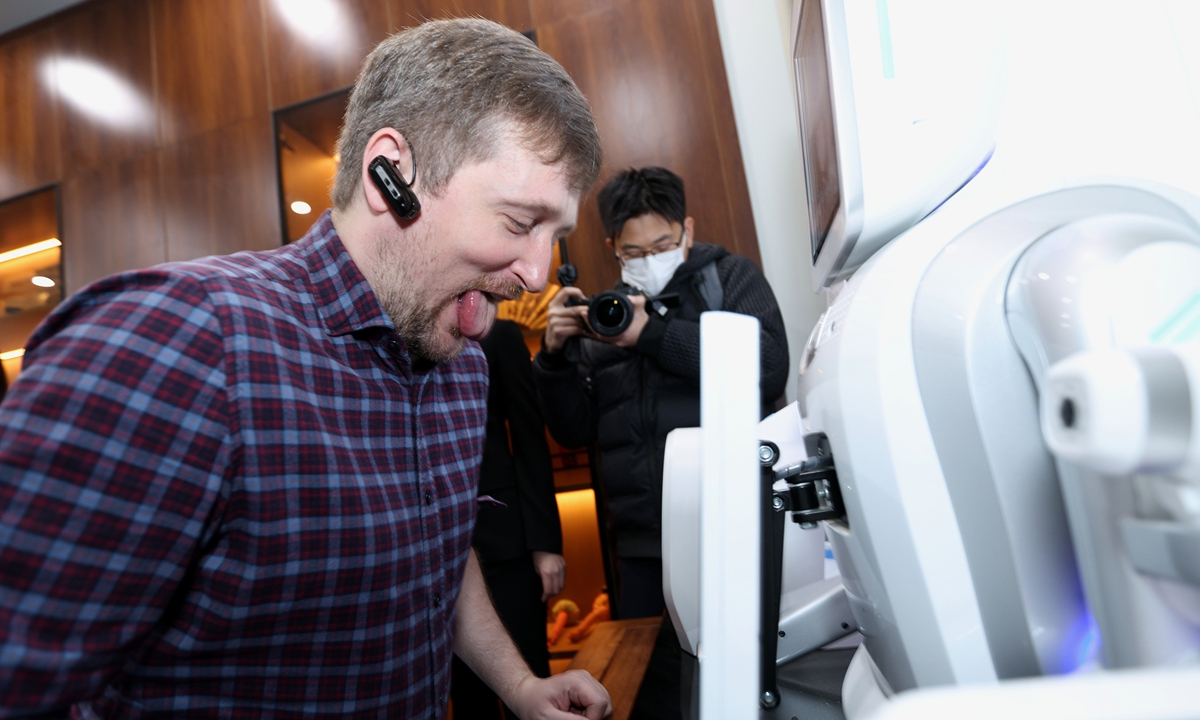
A TCM robot performs tongue diagnosis for a foreign delegate at the 2025 China Zhengzhou "Belt and Road" TCM Acupuncture-Moxibustion Technology Exchange Conference on November 1, 2025. Photo: IC
Artem, a 38-year-old Russian, sat nervously in the dental chair at an oral clinic in Heihe, a China-Russia border city in Northeast China's Heilongjiang Province, as the lamp above lit up his anxious face during his second cross-border dental trip to China. A nurse handed him a thumb-sized scanning probe - Artem's first encounter with China's smart tech in dentistry: a digital oral impression scanner.
The probe moved around his mouth for just over a minute, instantly generating a complete 3D model of his teeth on the adjacent computer screen, clearly showing the location of cavities and the degree of enamel wear.
"Chinese AI technology gave me a perfect set of teeth and peace of mind," he told the Global Times.
Artem's story is far from unique. On overseas social media platforms such as TikTok and YouTube, the topic of "China Medical Tourism" continues to gain traction. Unlike earlier foreign vloggers who focused on mobile payments, high-speed rail and hotel robots, the current "new three essentials" of traveling to China circulating online have shifted to dental care, ophthalmology, and traditional Chinese medicine (TCM) therapy. Thanks to the empowerment of AI technology, significant cost advantages, and streamlined consultation processes, these services are increasingly favored by international patients.
This trend is well-supported by data. According to the Chinese National Health Commission's 2025 annual report on foreign-related medical services, key hospitals in China received 1.28 million international patients throughout the year, representing a 73.6 percent increase compared to three years earlier. From smart dental clinics to AI-enabled TCM wellness centers, a wave of "AI + cross-border medical tourism" driven by the Healthy China Initiative is reshaping foreigners' perceptions of Chinese healthcare.
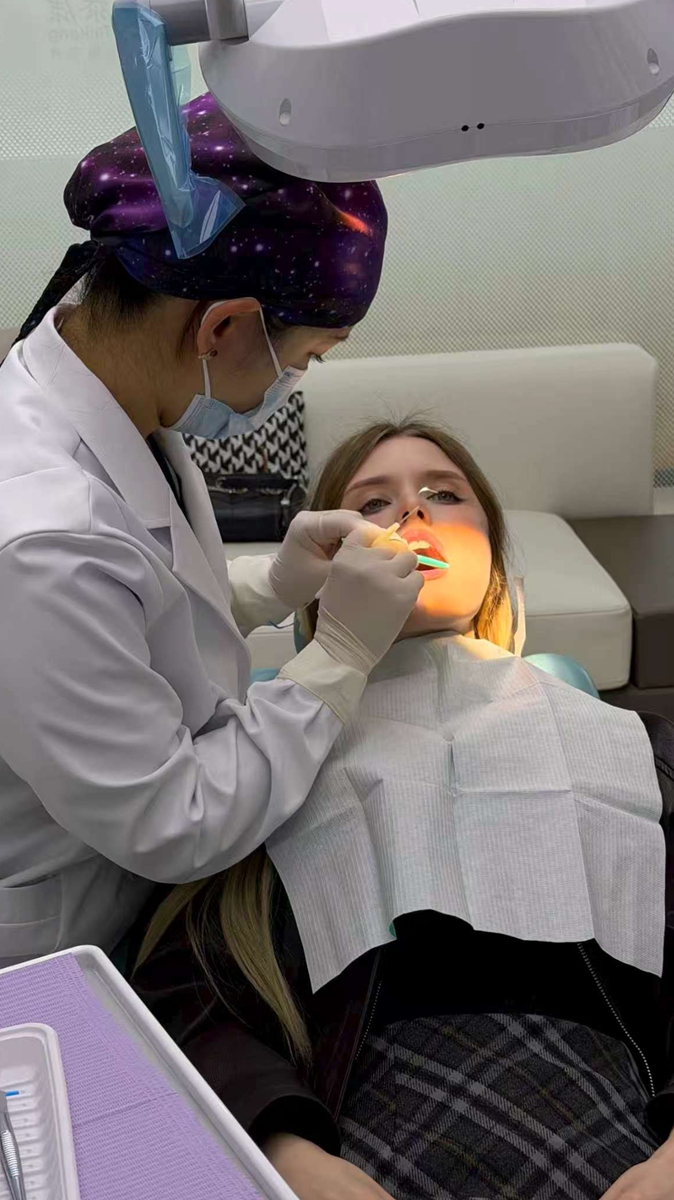
A foreign patient receives dental treatment at Taikang Dental in April, 2026. Photo: Courtesy of Wu Xiao
Experiencing smart healthcareArtem lives in Blagoveshchensk, Russia, just across the river from Heihe, China - a mere 10-minute boat ride away. In the past, he crossed the border to buy clothes and enjoy Chinese food. Now, his main purpose is to see the dentist.
"Dental care in Russia is expensive, with long waiting times," Artem told the Global Times. On local social media, he saw "going to China for dental treatment" becoming a hot topic, with users sharing experiences of getting porcelain crowns and implants in Heihe.
Artem said that he came across a number of cutting-edge instruments in those videos. Impressive as they appear, they are reportedly quite affordable. Intrigued, he decided to go and see for himself.
Artem recalled that AI technology was integrated almost throughout his entire treatment process. The intelligent triage screen in the waiting area supported Russian, English and Chinese. The AI imaging diagnostic system automatically identified issues such as cavities, tartar and periodontitis, assigned risk levels, and instantly translated the report into Russian before sending it to his phone with reminders for follow-up appointments and daily oral care tips.
Beyond Heihe, dental institutions in Beijing, Shanghai, Guangzhou and other cities have also become popular destinations for foreign patients.
A doctor at Taikang Dental in Beijing told the Global Times that in recent years, under government's promotion of the Healthy China Initiative guidance, the clinic has focused on developing AI + oral healthcare. The outpatient department has achieved full-process intelligent diagnosis and treatment, attracting more and more foreigners. Leveraging AI image diagnosis and intelligent treatment planning, the system combines intraoral scan data, X-ray images and patient needs to generate orthodontic plans and simulate correction effects within minutes. Multilingual services further help international patients experience the advantages of China's smart healthcare.
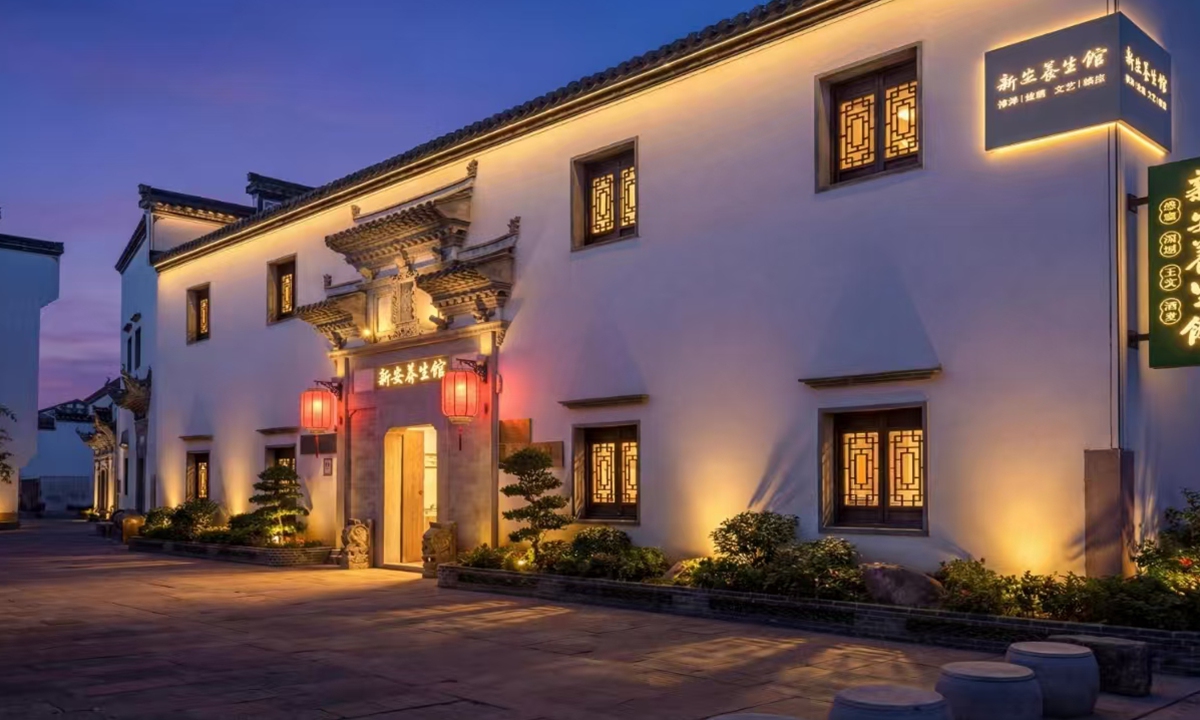
The Xin'an Wellness Center featuring white walls and dark tiles in classic ancient local style in Huangshan, East China's Anhui Province, has attracted many foreign visitors and patients every year. Photo: Hu Yuwei/GT
AI meets ancient wisdom
While AI-powered dental and ophthalmic services address the immediate pain points of foreign patients, TCM wellness therapies enhanced by AI technology allow them to immerse themselves in the unique appeal of Chinese health preservation, becoming a "healing choice" for their China experience.
Located in Huangshan, East China's Anhui Province, the Xin'an Wellness Center features white walls and dark tiles in classic ancient local style. It recently hosted a special group of guests - foreign mayors attending the Global Mayors Dialogue in Huangshan during May 28 to 31, 2026.
Since opening in October 2025, the center, which blends traditional TCM with modern AI technology, receives an average of 40 to 50 international visitors, influencers and delegations per month, serving as an important window for showcasing China's wellness wisdom and fostering cultural exchange.
The Global Times reporter observed foreign mayors, still jet-lagged from long journeys, gathered to experience traditional TCM therapies: cupping with copper cans, meridian massage, and ancient acupuncture. Each session left them both nervous and curious. Amid the rhythmic "pop-pop-pop" sounds of cupping on their backs, the mayors grimaced in discomfort yet nodded in approval.
A representative from Slovakia, while undergoing gourd moxibustion, told the Global Times with an amusing mix of tension and excitement: "It feels like a hot gourd is growing on my belly. I can sense my breakfast burning inside - it's comfortable and magical."
This comfort and wonder stem not only from millennia of TCM wisdom but also from the precision of AI technology. Wang Junhong, the head of the wellness center, told the Global Times that they have introduced a TCM Artificial Intelligence Health Assessment System jointly developed by Yundian Technology and Anhui University of Chinese Medicine. The system, built on massive datasets of tongue images and famous doctors' cases, features 10 AI invention patents and achieves a health identification accuracy rate of 98.74 percent.
The Global Times reporter personally tested the AI system and found it simple yet highly technological. Sitting in front of the device, one only needs to extend the tongue and face the camera; tongue and facial image collection is completed in one second. Full analysis takes less than 10 seconds, after which the screen generates a comprehensive multi-dimensional health report covering constitution, organ function, chronic disease risks, emotional stress and more, along with personalized wellness, dietary and therapy recommendations.
Filippo Gaspari, mayor of Gradara, Italy, told the Global Times that everything he experienced there felt magical. "I could sense a kind of energy flowing through my body. It's a pity I can't experience this in Italy, but it's a must-do project whenever I come to China." He said he feels good to see that China's high-tech AI has been applied across fields including healthcare and transportation, and believes China's health practices and wellness wisdom can benefit people in more countries.
At the China Beijing International High-Tech Expo 2026 held in May, AI-powered medical devices drew significant attention from foreign visitors. Many tried them on-site, while others were already planning purchases.
Zhang Kaiyang, marketing manager of a Beijing-based company specializing in TCM physiotherapy robots (robotic arms), told the Global Times that their robots integrate China's intangible cultural heritage TCM massage therapy with AI technology. The robots simulate the precise techniques of national TCM masters and heritage experts to provide therapeutic treatments. He said that customers come from many countries, including Singapore, South Korea, Kazakhstan, and some European countries, out of their interest in introducing authentic TCM physiotherapy back to their home countries, and that most of them were attracted through social media.
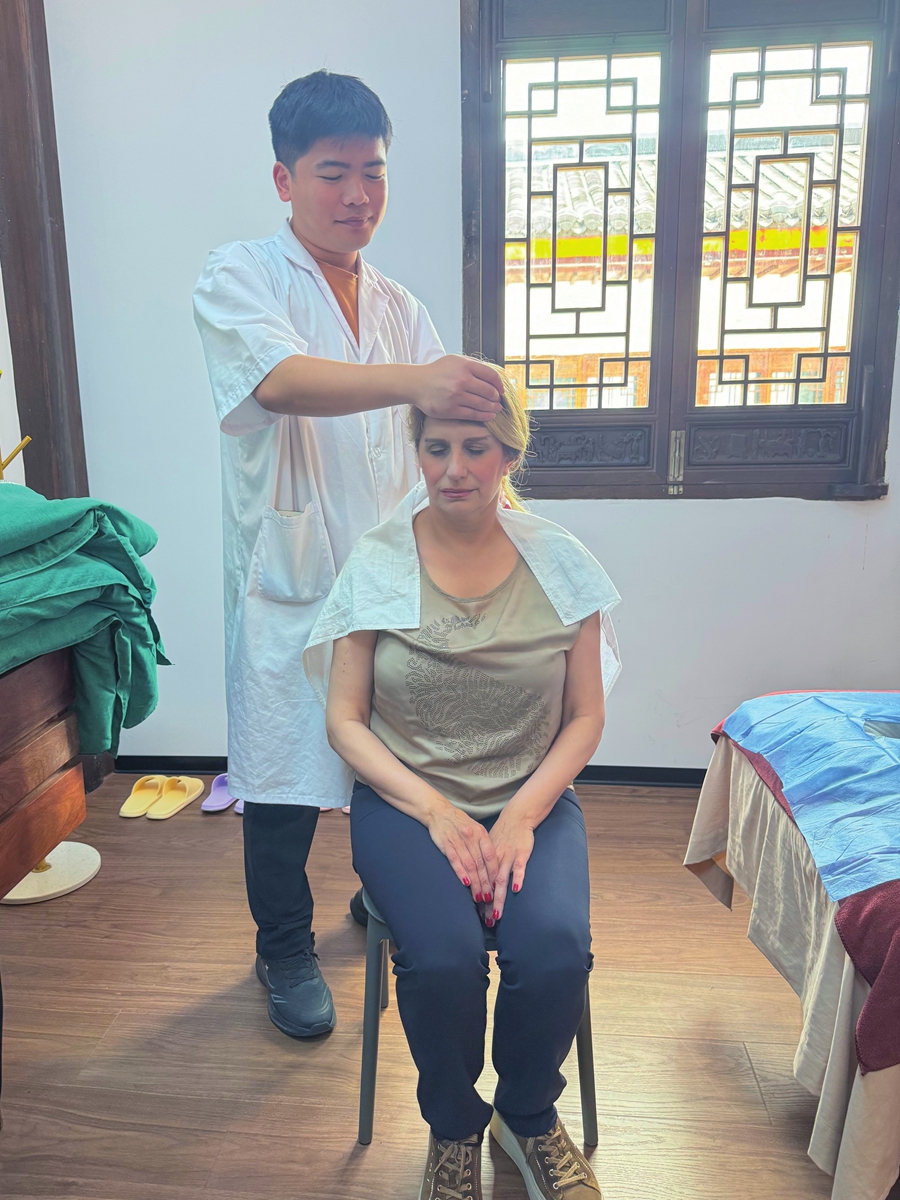
Timea Sotakova, Deputy Mayor of Michalovce, Slovakia, experiences traditional Chinese medicine in Huangshan on May 29, 2026. Photo: Courtesy of Xin'an Wellness Center
Efficient, affordable, high-quality
Why are more and more foreigners choosing to seek medical treatment in China? A February report by The Economist titled "Why more foreigners are seeking health care in China" points to the main reasons: lower costs, dramatically shorter wait times and expanding modern facilities with top-tier technology.
Years ago, some Chinese people traveled to developed Western countries for medical care. Today, this wave of "foreigners coming to China for treatment" is known in the industry as "reverse medical tourism."
The Global Times reporter has noticed that price differences between Chinese and foreign medical services are frequently mentioned by foreigners.
American content creator Lucian George took to social media to share his opinions on the hospital experience in China, saying that the appointment in China was $4 without insurance, while in America this would cost at least $300. "Considering China has so many people, I'm very impressed by how efficient the healthcare system is," he said in the video in late February. The video quickly went viral, garnering more than 70,000 likes and sparking lively discussions, according to the Xinhua News Agency.
The obvious gap in medical bills between China and some Western countries reflects not only variations in specific treatments but also fundamental differences in healthcare systems, payment methods and pricing mechanisms. In China, the majority of public medical expenses occur within the public hospital system, where prices are strictly regulated and remain relatively low on a global scale, according to the National Business Daily.
From once envying Western healthcare to now attracting foreign patients seeking treatment, Chinese healthcare is undergoing a globally recognized transformation in quality.
In addition to cost and efficiency, convenient and thoughtful service experiences also leave a deep impression on foreign patients. During visits to hospitals and clinics in key tourism-plus-wellness cities such as Huangshan and Heihe, the Global Times observed clear multilingual signage, readily available real-time translation devices and many doctors with overseas study backgrounds.
Some hospitals also provide multilingual brochures detailing post-operative or post-treatment care instructions and comprehensive information on wellness programs.
Thanks to the integration of smart technology and AI, foreign tourists' "China Travel" is becoming increasingly diverse and enriching. Amid everyday local life and high-quality, efficient medical services, foreign visitors experience China's convenience and warmth: from registration and consultation to collecting medicine and completing treatment, every step brings them closer to the real China.
Artem said he has recommended his relatives and friends to come to China for affordable and high-quality dental restoration and care. He noted that every visit to China brings him diverse and pleasant experiences, which is part of China's growing appeal to global visitors.
RELATED ARTICLES