ARTS / CULTURE & LEISURE
Popular films and TV series spur book sales in China
Trends on screen turn into interest in reading
By Published: Jun 04, 2026 11:11 PM

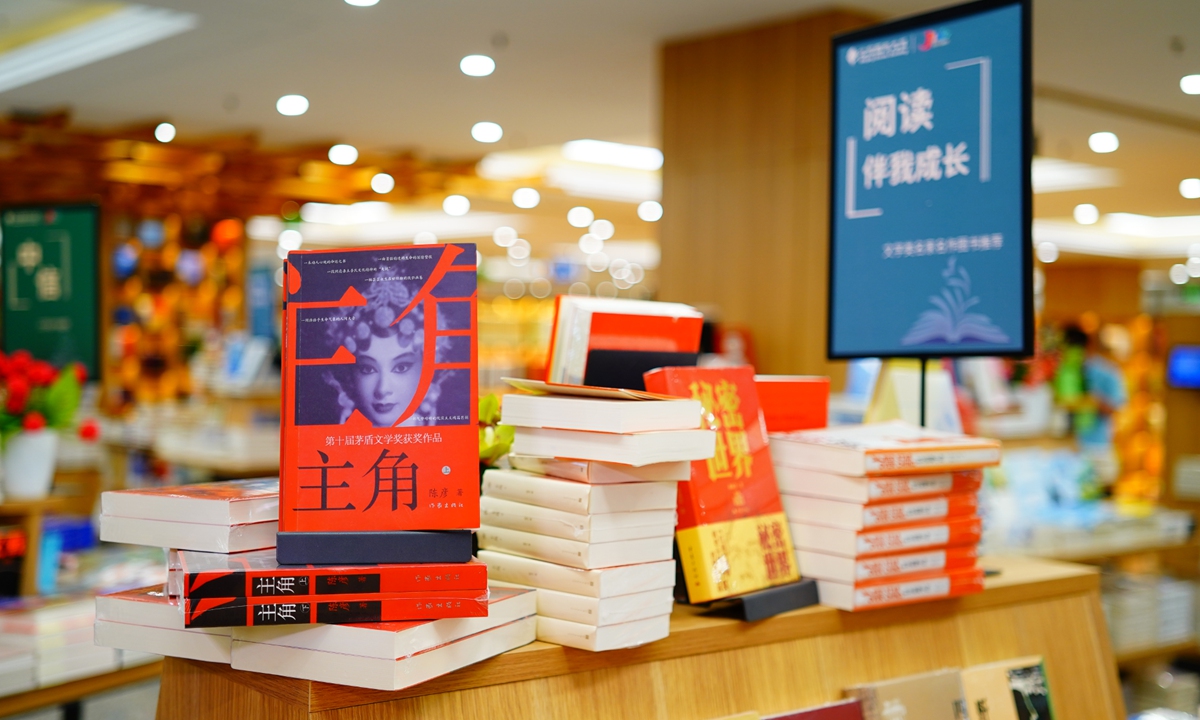
Photo: VCG
Currently, there are many excellent new works showing in both Chinese cinemas and on TV. Films like Dear You, which had made over 1.5 billion yuan ($221.6 million) at the box office as of Thursday, and TV dramas such as The Lead, which is now airing its finale, have attracted large audiences. After watching these movies and series, many people develop a strong interest in the original novels or related historical books. Data from various platforms shows that the popularity of these film and TV works is directly boosting related book sales.
On the big screen, Dear You has moved lots of audience with its sincere and strong emotions, gaining both high box-office returns and praise. It is currently the second highest-grossing film of 2026, according to CCTV News. As the movie's popularity continues to grow, books about the culture of the Chaoshan area in South China's Guangdong Province and the topic of qiaopi (letters and remittances sent home by earlier generations of overseas Chinese) have also become more popular. The novel Home Letter by writer Chen Jiming, which tells the story of Chaoshan merchants working hard in foreign lands, has quickly gained attention from more readers.
According to Beijing October Literature and Art Publishing House, which publishes Home Letter, the book has already been reprinted four times, with hundreds of copies sold every day, and sometimes more than 1,000 copies in a single day. The impact of the movie on book sales is very clear. The film has brought not only higher book sales, but also sparked a wave of interest in qiaopi and Chaoshan culture. Many organizations, including the Guangzhou Library, have promoted themed reading lists about Dear You on their official social media accounts for their readers.
The TV drama The Lead, adapted from the novel of the same name by Chen Yan, has also inspired lively discussion among audiences. The series currently has a strong reputation, with a score of 8.1/10 on Chinese review platform Douban. According to statistics from e-commerce platform Dangdang, searches for the original novel The Lead surged after May 7, and sales on that day soared to about 30 times higher than usual. Since May 10, sales have been roughly 100 times higher than normal, and at the peak, were as much as 200 times greater, according to the Beijing Daily.
Xu Shen, deputy general manager of the Beijing Book Building, said in an interview with the Beijing Daily that after The Lead began airing, it very quickly became a widely watched and talked-about TV series. The Beijing Book Building took advantage of the buzz by setting up themed book displays in prominent locations, such as at the main entrance and in the central literature section, which helped boost visibility for related books.
The TV drama's popularity has fueled not only interest in the original novel, but also deeper attention to Qinqiang Opera, a Northwest China's folk opera genre that is central to the series. Books like Qinqiang Opera and others that relate to the show's cultural themes have also seen increased interest, creating a chain of reading that extends from the main work to the broader cultural context it explores.
Zhang Peng, an associate professor at Nanjing Normal University and head of its university press, told the Global Times on Thursday that there are three main reasons why hit movies and TV shows drive book sales: First, film and TV use a visual and audio language that lowers the barrier for audiences to approach classic literature, sparking interest in the original stories. Second, high-quality adaptations serve as both a filter and a stamp of approval for the original work. Third, in the age of social media, discussions about a show often expand naturally to deeper topics, such as details from the book, characters' fates, and the background of the era, creating new hot topics.
"The positive interaction between film, TV and publishing is really about different kinds of media seeking good stories," Zhang noted. He added that the publishing industry should take the initiative to seize such opportunities, but should not just chase trends blindly. Publishers need to prepare literary IP in advance and focus on quality stories with the potential for adaptation. Through activities such as inviting well-known experts to interpret works, publishers can turn the popularity of movies and shows into greater interest in reading.
RELATED ARTICLES