ARTS / CULTURE & LEISURE
Cultural and Natural Heritage Day event held in Wuhan
China’s World Heritage site efforts highlighted
By Published: Jun 14, 2026 09:58 PM

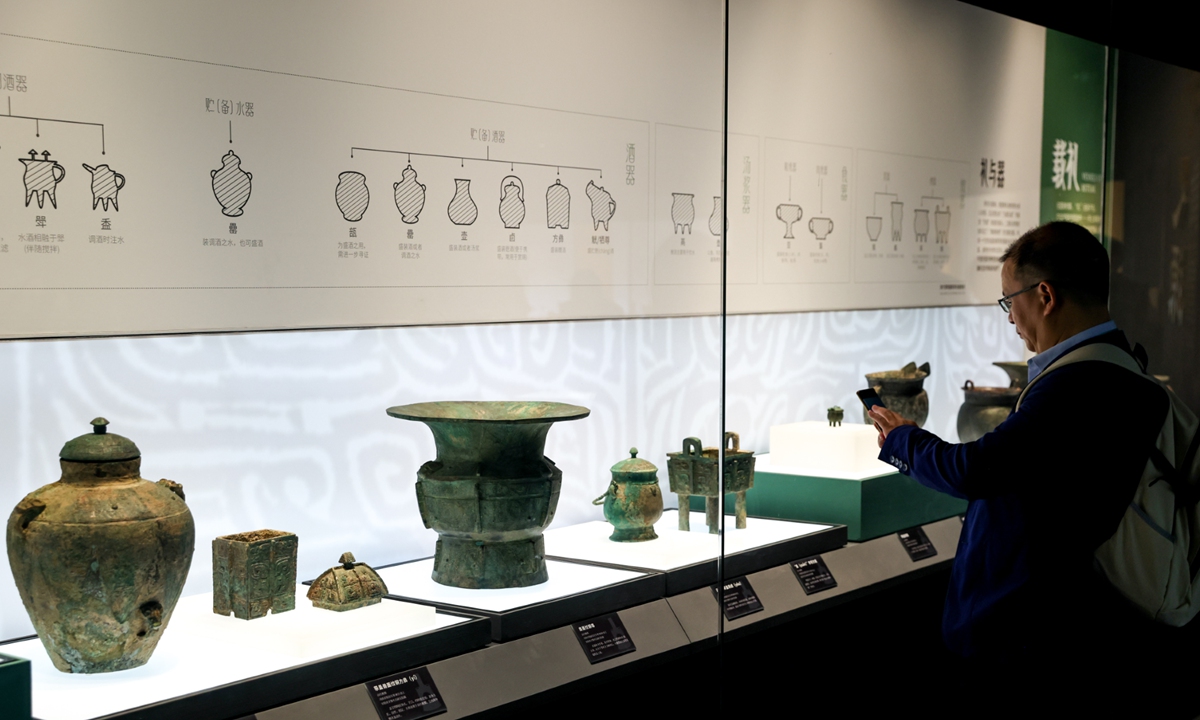
Photo: VCG
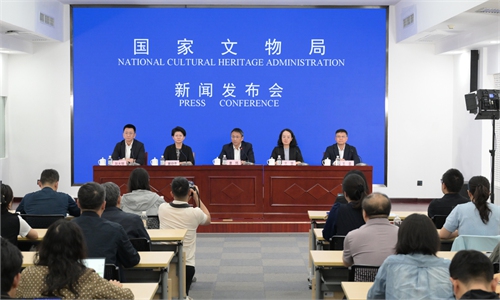
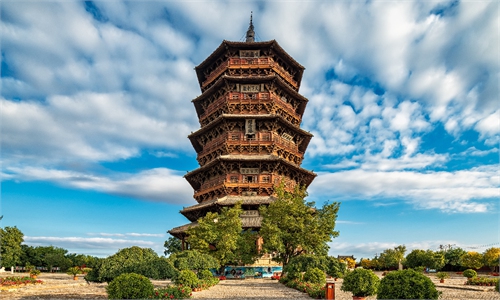
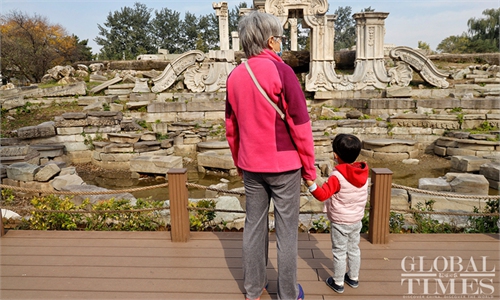
At the 2026 Cultural and Natural Heritage Day event in Wuhan, the capital city of Central China's Hubei Province, on Saturday, China announced that it has owned 60 UNESCO World Heritage sites, one of the world's top countries, the People's Daily reported on Sunday.The tally, released by the National Cultural Heritage Administration (NCHA), consists of 41 cultural sites, 15 natural sites and four mixed properties, reflecting what officials described as strengthened scientific, systematic and holistic conservation. The country now ranks at the forefront globally in heritage protection and management, the report said.
The national event, themed "Cultural relics belong to and serve the people," showcased advances in heritage preservation and efforts to raise public awareness, while underscoring a decade-long museum and intangible cultural heritage boom.
NCHA officials announced that museums across China staged 45,000 exhibitions and held 583,000 educational activities in 2025, drawing in 1.56 billion visits. Additionally, a fourth national cultural relics census, still underway, has already uncovered more than 130,000 previously unregistered immovable relics, significantly expanding the known resource base.
On the natural heritage front, authorities reported that over 80 percent of designated sites have adopted near-natural restoration measures, with several ecological recovery projects selected as global best-practice cases. The conservation push is embedded in a broader national framework that integrates the protection of mountains, rivers, forests, farmlands, lakes, grasslands and deserts, largely through a nature reserve system anchored by national parks.
Saturday's opening ceremony in Wuhan published the 2025 list of exemplary cases for high-quality development in cultural heritage and the names of outstanding "Guardians of Cultural Relic Safety." The latter program spotlights individuals from museums, field patrols, public security, fire and rescue services, and the cyberspace administration, according to a press release the administration sent to the Global Times on Sunday.
Officials at the event stressed that relic safety is "a red line, a baseline and a lifeline." The recognized guardians include those who used technology to build digital security archives for museum collections, field inspectors who have walked rural routes for decades, officers who cracked major heritage crime cases, firefighters who erected protective shields for millennia-old structures, and internet regulators who curbed illicit online content to keep cultural lineages intact in the digital age.
A signature exhibition, Tracing Xia and Shang, opened at the Panlongcheng Site Museum on the same day, backed by 34 museums and research institutes including the National Museum of China and the Institute of Archaeology of the Chinese Academy of Social Sciences. Billed as the first original special exhibition built around the theme of "Xia and Shang civilization landscape," the show brings together 163 sets of artifacts.
Taking cues from the latest findings of a national project to trace the origins of Chinese civilization, the exhibition treats the Xia (c.2070BC-c.1600BC) and Shang (c.1600BC-1046BC) dynasties as a connected whole, searching for commonalities while also highlighting their distinctive features within the long arc of Chinese history.
The Cultural and Natural Heritage Day events, advocated by NCHA, extended far beyond the flagship cities, with local heritage departments and museums nationwide organizing online and offline activities to offer accessible cultural services and enrich public life.
Beyond Wuhan, Beijing also launched its own Heritage Day activities at the Divine Music Administration, a historic complex inside the Temple of Heaven, where the Temple of Heaven Museum opened on Saturday, an official from the Beijing Municipal Cultural Heritage Bureau told the Global Times on Sunday.
The museum, with the Divine Music Administration as its main exhibition area, systematically displays royal sacrificial vessels, ritual musical instruments and other rare artifacts, illustrating the worship of heaven and the connotations of traditional rites.
Its opening means that all eight of Beijing's UNESCO World Heritage sites now have dedicated thematic museums, marking what the municipal government calls full coverage that improves the interpretation and presentation of the capital's world heritage value, according to a press release issued by the Beijing Municipal Cultural Heritage Bureau.
At the same event, Beijing also activated a World Cultural Heritage monitoring and early warning platform. Relying on digital technology, the platform establishes an intelligent surveillance and early warning system covering all eight sites, forming a closed-loop management process of "monitor-warn-respond" that officials say will build a digital barrier for the safety of the city's world heritage treasures, the press release noted.
RELATED ARTICLES