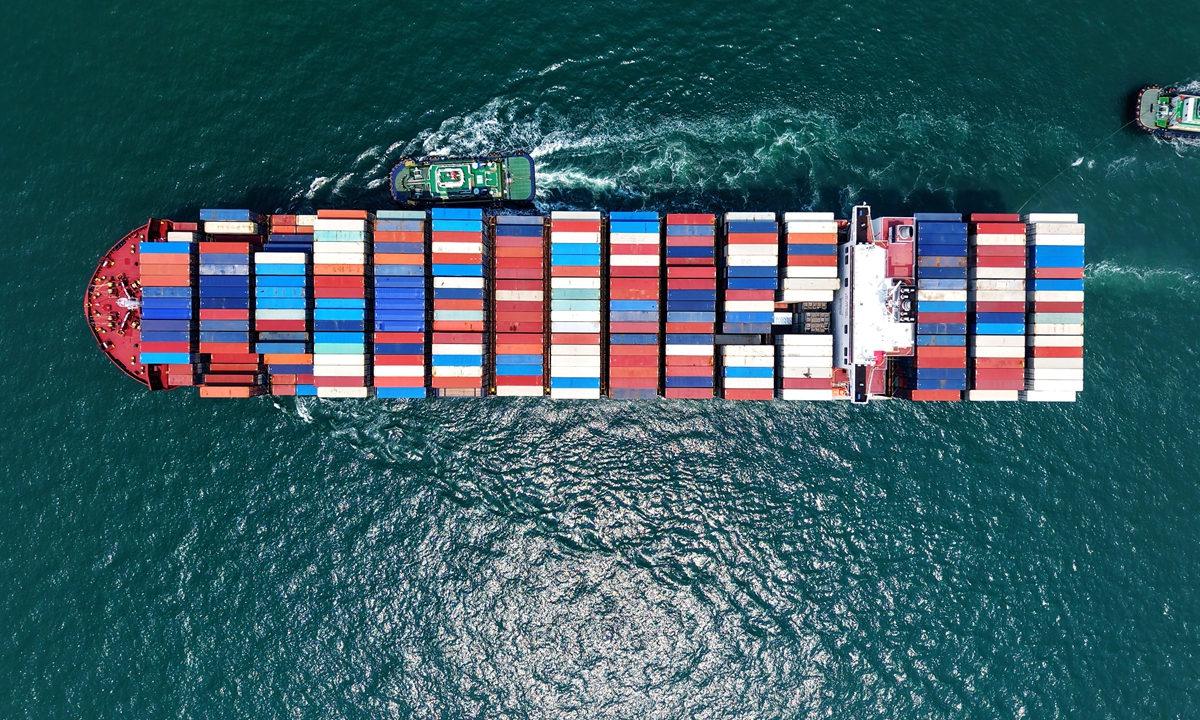
A container ship loaded with foreign trade cargo sails into Qingdao Port in Qingdao, East China's Shandong Province on June 25, 2026. Photo: VCG
China entered 2026 on a strong economic footing, buoyed by robust growth, accelerating industrial transformation, and deepening reform and opening-up.
The year has so far proven to be one of turbulence, uncertainty, and mounting challenges. It opened with the persistence of senseless trade wars, which have weighed heavily on global markets and economic stability. Meanwhile, escalating tensions in the Middle East have further complicated the international landscape.
Despite these headwinds, China has remained steadfast in pursuing its economic objectives. The country has been actively cultivating new innovation-driven growth engines, including intelligent and artificial intelligence (AI)-based industries, green and climate-smart development, and cutting-edge technologies.
At the same time, China has pressed ahead with economic reforms and high-level opening-up. It has accelerated the unification of its domestic market—a critical step for boosting consumption and investment. China has also updated the Catalogue of Encouraged Industries for Foreign Investment at the beginning of the year, offering fresh opportunities and stronger incentives to attract global investors.
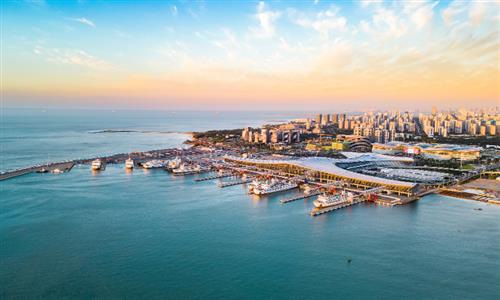
In addition, the country has pursued further opening-up by expanding its pilot free trade zones to 23. Since December 2025, the Hainan Free Trade Port has officially begun an island-wide independent customs operation. Data shows that from the launch of the special customs operations to May 31, Hainan added 1,240 foreign-funded enterprises, up 37.62 percent year on year. Zero-tariff imports more than doubled year-on-year, while the tariff-exemption policy on value-added processing generated 580 million yuan in domestic sales, with a reduction of nearly 30.25 million yuan in tariffs. All the data sets demonstrate that Hainan FTP has been drawing strong interest from the global business community.
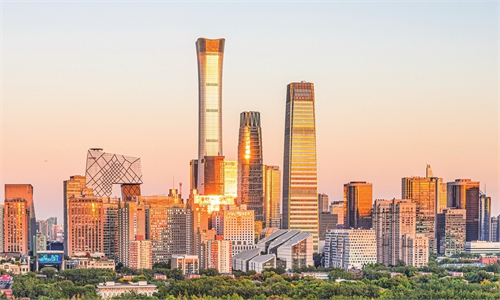
It is expected that this momentum will accelerate further following the ongoing China International Supply Chain Expo, which kicked off in Beijing from Monday and will last until Friday, as well as the China International Import Expo, which is scheduled to take place later this year. These major exhibitions will offer the global business community valuable opportunities to gain a deeper understanding of China's high-level opening-up and vast market potential, while enabling them to showcase and promote their products.
With an appropriate policy framework in place, I believe Pakistan can also capitalize on these expos to strengthen economic ties and expand cooperation with China. Pakistani enterprises and government agencies can directly engage with thousands of Chinese buyers, suppliers, and policymakers in a focused setting. This includes showcasing competitive products such as textiles, agricultural goods, minerals, surgical instruments, and emerging internet technology and renewable energy solutions, thereby expanding market access into China's vast consumer base and global supply chains.
These reforms, high-level opening-up, and economic transition have injected new momentum into China's economic development. This is why that China's economy remains resilient and continues to grow steadily amid rising global uncertainties.
The recent economic data clearly show that China is on a strong and positive trajectory. In the first quarter, China's GDP grew by 5 percent year-on-year, hitting the upper end of the government's full-year growth target range of around 4.5 to 5 percent. The country's major economic indicators also showed solid momentum in the first five months. This solid performance was supported by a strong production base and broad-based sectoral expansion.
Breakdown by industry shows that high-tech manufacturing significantly outperformed other sectors, expanding by 12.5 percent year-on-year in the first three months. Notably, production of 3D printing materials, lithium-ion batteries, and industrial robotics posted exceptional gains of 54 percent, 40.8 percent, and 33.2 percent, respectively - leading all other sectors.
Also, the rapid development of AI has driven strong growth in related industries and applications, with the value added of specialized electronic materials and integrated circuits manufacturing expanding by 32.5 percent and 49.4 percent, respectively.
Amid efforts to foster new drivers of growth and technological advancement, China has also placed strong emphasis on agriculture. Ensuring food security, advancing rural revitalization, and improving the livelihoods of rural communities remain key priorities. This focus contributed to steady growth in the agricultural sector.
This year, China will remain a key pillar of global economic stability through investment, opportunities, and high-level opening-up, contributing around 30 percent of global growth. This achievement is the result of sound policies, effective implementation, innovation-driven development, and the strong leadership of the Communist Party of China.
As China continues to serve as a powerful engine of global economic stability, its success story offers valuable opportunities and immense collaborative potential for global economy including Pakistan. By aligning domestic reforms with China's opening-up initiatives, leveraging flagship expos for practical business matchmaking, and harnessing emerging technologies under the Belt and Road Initiative framework, Pakistan can unlock new drivers of inclusive development, enhance industrial competitiveness, and build a more resilient, future-oriented economy.
The author is the CEO of the Asian Institute of Eco-civilization Research and Development in Pakistan. opinion@globaltimes.com.cn
RELATED ARTICLES