Electric bicycles in a factory in Jinhua, East China's Zhejiang Province File photo: VCG
Chinese two-wheeler electric vehicles (EVs) brand Luyuan Group issued an apology statement on Thursday after multiple promotional videos on its Douyin account were accused of using sexualized content to attract attention.
Screenshots shared by netizens and media showed videos featuring women in short skirts and stockings in suggestive poses, such as resting feet on an e-bike's handlebars in a video entitled "nap tutorial" and low-angle shots focusing on thighs and buttocks to highlight product features. In another video posted in May, a woman wearing a short skirt and stockings is seen hanging from a tree branch with her back facing the camera. The video caption reads: "Next time, be sure to ride with someone who knows how to drive the e-bike."
The videos soon triggered backlash online. Netizens commented, "Do you really need risqué ads to sell e-bikes?" and "What exactly are you selling?" Many shared screenshots of the videos on social media, pairing them with vomiting emojis.
After the controversy erupted, the videos had been removed from the Luyuan Group's Douyin account.
When contacted on Thursday by the Global Times, Luyuan's customer service apologized for the inappropriate content, stating the company had verified the issue, removed the videos, and initiated internal rectification. It promised to strengthen advertising review across all channels.
Also on Thursday, Luyuan Group issued an apology statement.
"We have launched a comprehensive self-inspection and rectification across all platforms, thoroughly checking for potential issues to prevent similar incidents from happening again," read the statement.
Luyuan is not the first brand to face backlash for suggestive marketing. In the past month alone, several well-known brands have drawn criticism.
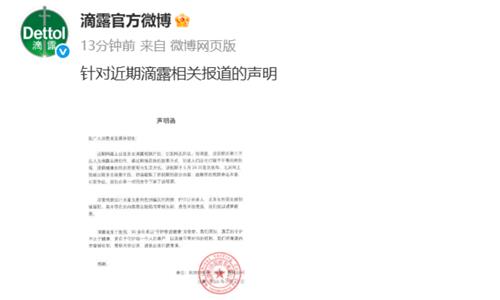
Dettol on June 22 issued an apology statement regarding a controversial short drama advertisement accused of objectifying women and reinforcing outdated gender stereotypes, which has triggered widespread public backlash among Chinese netizens.
Another oral care brand, Saky, was accused of using suggestive language in a tooth-whitening product promotion. Levi's also removed Father's Day posters featuring close-up shots of buttocks with the tagline "summer style, celebrating fatherly love."
Industry insiders pointed out that such incidents reflect weak internal review mechanisms and a shortsighted pursuit of viral traffic. Lowbrow marketing ultimately damages brand reputation rather than building long-term trust.
An industry insider, who declined to be named, told the Global Times that chasing short-term sensational traffic neither translates into genuine conversions, nor builds valuable brand equity.
"Vulgar marketing leaves the public with a lasting negative impression - a brand deliberately creating sexual innuendo and pushing moral boundaries - rather than highlighting the quality and strength of its products," the industry insider said.
Global Times
RELATED ARTICLES