Serbia reportedly plans to buy China's HQ-9 and more; expert says Chinese gears may become backbone of its air defense
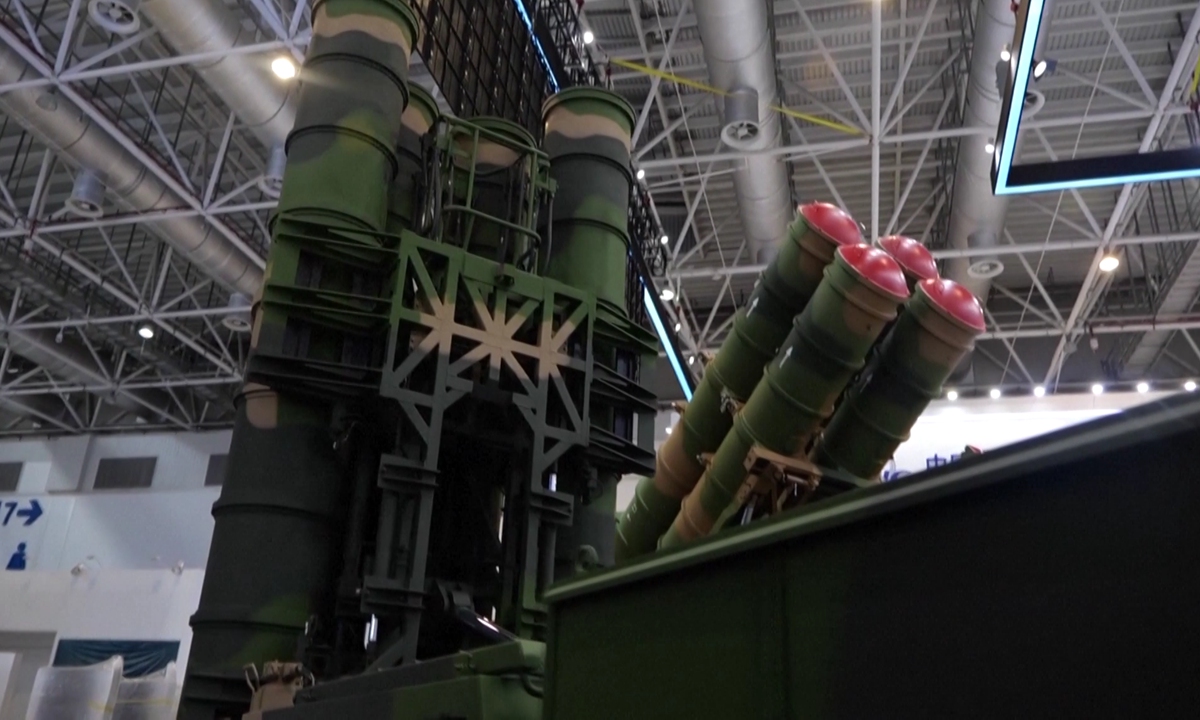
The HQ-9BE air defense missile system is displayed at the 14th China International Aviation and Aerospace Exhibition, also known as Airshow China, in Zhuhai, South China's Guangdong Province, on October 31, 2022. Photo: VCG
Some foreign media outlets followed a Serbian report this week that the country plans to procure China's HQ-9 long-range air defense missile system, with local media also speculating that Serbia may acquire Chinese fighter jets in the future. A Chinese military affairs expert told the Global Times on Thursday that Serbia appears to be building an air defense architecture with Chinese-made systems as its backbone, and that the growing cooperation reflects the advantages of Chinese equipment as well as the rising level of defense collaboration between the two countries.
Serbian media outlet Tango Six reported that on Sunday local time, Serbian President Aleksandar Vucic visited the "Pukovnik-pilot Milenko Pavlović" air base, where he mentioned on several occasions during the tour new purchases of military equipment of Chinese origin. He confirmed that Serbia will acquire China's HQ-9 long-range air defense system.
Defense Security Asia claimed on Tuesday that this move would transform Serbia into the most heavily Chinese-equipped air defense operator in Europe.
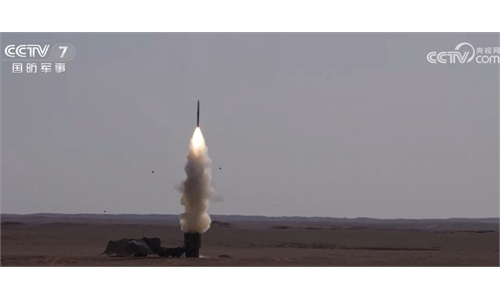
According to people.cn, the HQ-9 system is China's third-generation medium-to-long-range air defense missile system, capable of conducting all-weather air defense operations against mass air raids and intense electronic jamming. It can intercept various aircraft, unmanned aerial vehicles and precision-guided munitions, with strong capability against saturation attacks and multi-wave assaults, meeting international advanced standards.
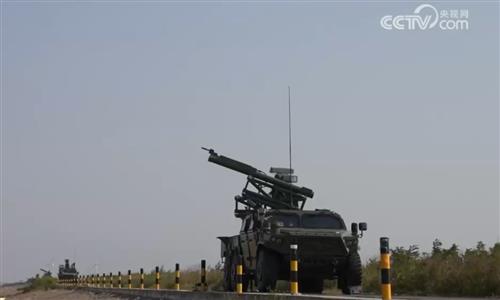
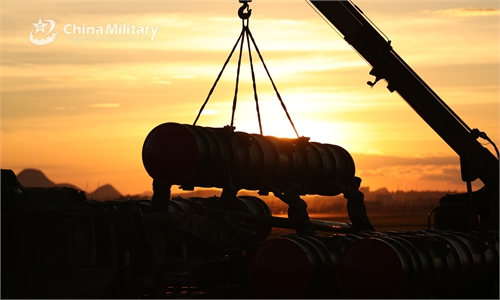
Zhang Junshe, a Chinese military affairs expert, told the Global Times on Thursday that Serbia has already fielded China's independently developed HQ-17AE short-range anti-aircraft defense system and FK-3 air defense missile system. The planned acquisition of the HQ-9 would further enhance its long-range air defense capability, suggesting that Serbia appears to be building an air defense architecture with Chinese-made systems as its backbone.
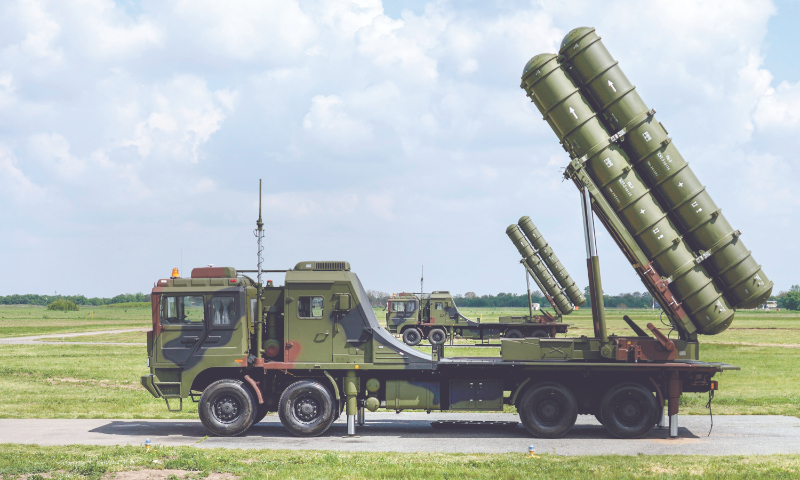
FK-3 air defense missile system is displayed at the military exercises in Serbia on April 30, 2022. Photo: VCG
From a technical standpoint, this ensures compatibility in design philosophy, maintenance and logistics support, Zhang said.
Tango Six also reported that Vucic twice mentioned to Air Force and Air Defense Force officers that the purchases from China - not only the HQ-9 system but also that "something else is being purchased (from China)." As Vucic mentioned, new aircraft will arrive soon after the Rafales, including both fighters and training aircraft.
As for that, Tango Six supposed this statement further confirmed earlier announcements by the Serbian state and military leadership regarding the procurement of another squadron of fighter aircraft, most likely of Chinese origin.
Zhang noted that beyond the air defense systems, if Serbia were to purchase Chinese fighter jets in the future equipped with Chinese air-to-air missiles, it would form an integrated combat system combining air defense missile systems and fighter aircraft.
Modern warfare emphasizes system-of-systems combat capability. If the air defense systems, command and control systems, and fighter jets are all made in China, it would facilitate integrated operations and greatly enhance Serbia's air defense and territorial defense capabilities, the expert said.
Serbia has already demonstrated China's CM-400AKG air-to-surface hypersonic missile, but it is currently carried by Russian-made MiG-29s, Zhang said, saying that Serbia is pursuing military independence by procuring equipment from multiple countries, but its cooperation with China is growing.
This reflects the reliability and cost-effectiveness of Chinese equipment, Zhang said. In contrast, some Western countries offer expensive equipment with mediocre performance. More importantly, China sells weapons and equipment to friendly countries without attaching political conditions, whereas some Western nations often use the sales to interfere in other countries' internal affairs, or even install backdoors in the equipment for control purposes.
In July 2025, the Commander of the 2 battalion for Air Defense from Serbia's 250th Air Defense Missile Brigade LTC Dalibor Aleksic, gave an exclusive interview to the Global Times, saying that the experiences from the use of the FK-3 and HQ-17AE air defense systems "are very positive so far," and the acquisition of these two air defense systems contributed to the further strengthening of friendship and cooperation between Serbia and China.
The growing cooperation seemed to reflect Serbia's high level of trust in China, with after-sales service being a key factor. This demonstrated the deepening level of defense cooperation between the two countries, Zhang added.
RELATED ARTICLES