ARTS / CULTURE & LEISURE
Hong Kong Palace Museum celebrates 4th anniversary
Institution boosts cultural identity: HK resident
By Published: Jul 13, 2026 10:52 PM
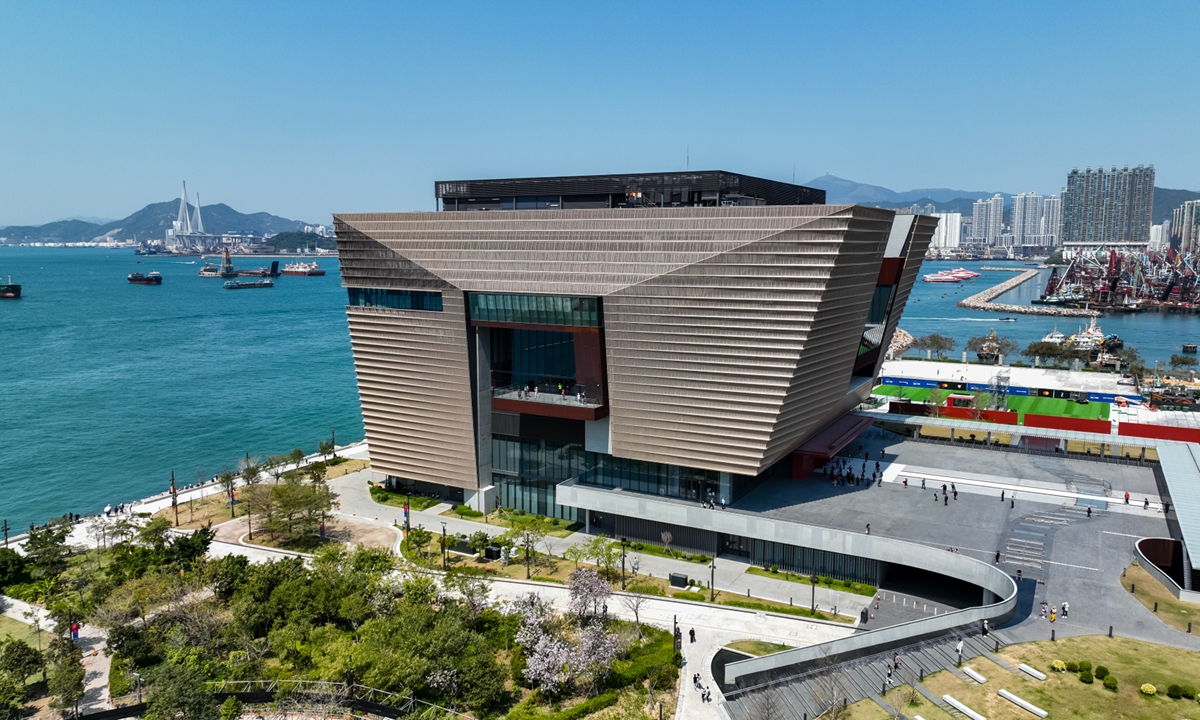
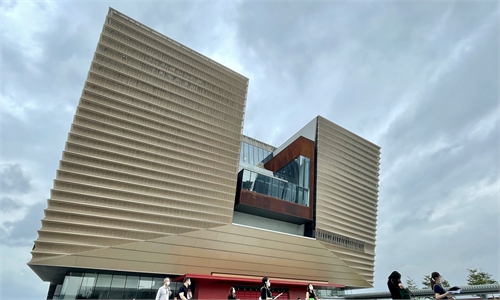
Hong Kong Palace Museum Photo: VCG
The Hong Kong Palace Museum (HKPM) marked its fourth anniversary this summer by launching a series of special events and programs designed to bring cultural heritage closer to the public and foster ties between Hong Kong and the Chinese mainland.To celebrate the milestone, the museum introduced a limited-edition commemorative ticket created by local designer Sunny Wong, inspired by auspicious animal patterns found on traditional Chinese silk textiles. The unique design aims to give the ticket both collectible value and auspicious meaning.
In addition to this, the museum launched its first "100 people at the HKPM" visual documentary project, turning the spotlight on the daily lives of staff members working behind the scenes. The project captures the ways the museum team handles precious artifacts while navigating the rhythm of modern city life, showing that the museum is not just a display venue, but a dynamic cultural hub.
Since its grand opening in 2022, the HKPM has hosted 36 exhibitions and attracted over 4.61 million visitors. Jacky Ko Chung-kit, a Hong Kong resident, told the Global Times on Monday that these exhibitions have changed his previous impression of traditional culture as something remote or outdated.
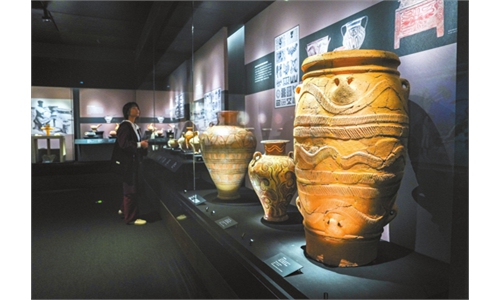
"In the past, I used to see Chinese history in isolation, rarely considering how our own artifacts relate to the wider world," said Ko. "Over the past four years, the HKPM has presented dozens of exhibitions featuring both Chinese and international content - from major exhibitions on ancient Egyptian civilization, to special showcases about the Forbidden City's global exchanges. This has helped me see that, for thousands of years, Chinese civilization has actively reached out to and learned from other cultures."
Among all the exhibitions, Ko was most impressed by The Forbidden City and the World: Cultural Encounters, which opened in early June and is still on public view.
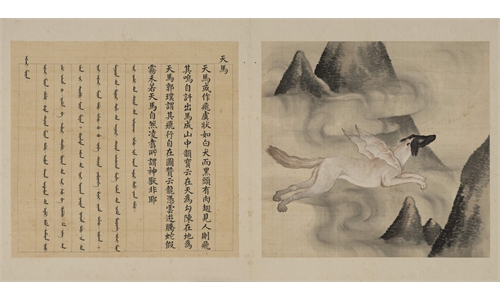
Positioning the Forbidden City within a global context, the exhibition, which features over 130 treasures, including 18 grade-one national treasures, examines more than six centuries of exchanges between China and other parts of Asia and Europe across the Yuan (1279-1368), Ming (1368-1644) and Qing (1644-1911) dynasties. It explores interactions in diplomacy, trade, science, technology, philosophy and the arts, revealing how the movement of ideas, goods and knowledge across regions shaped life and culture within the imperial court.
Ko pointed out that the museum's opening has made it much easier for local students, residents, and office workers to experience Chinese cultural heritage without having to travel far away. "Now, anyone can see ceramics, paintings, and imperial artifacts up close along Victoria Harbor, helping to strengthen our sense of cultural belonging," Ko added. Over the past four years, he has often invited young internet influencers from various cities in the Guangdong-Hong Kong-Macao Greater Bay Area (GBA) to visit the HKPM, where they have filmed short videos to share their appreciation for Chinese artifacts with young viewers across the region.
To further promote cultural and artistic exchanges among youth, the HKPM organized an exchange project with universities from both Beijing and Hong Kong. This summer, 22 university students from both cities joined an eight-week program in July and August that includes stops in Beijing, Guangzhou in South China's Guangdong Province, and Hong Kong. The students are exploring themes on cultural heritage, urban development, and community building by visiting cultural landmarks such as Beijing's 798 Art Zone and Hong Kong's West Kowloon Cultural District. The program kicked off at the Palace Museum in Beijing.
At the opening ceremony, Wang Yuegong, deputy director of the Palace Museum in Beijing, said that youth play a vital role in passing on and innovating on Chinese culture. He noted that the program brings together young people with a love for Chinese heritage, allowing them to experience real cultural settings and observe how Chinese culture evolves in the present day.
Yu Sum In, a student from Hong Kong Shue Yan University who joined the project, said she hopes to learn firsthand how cultural institutions in the Chinese mainland are integrating new technology into traditional exhibitions.
Looking ahead, Ko said he hopes the HKPM will speed up plans for greater cooperation among museums in the GBA, including regular touring exhibitions and collaborative study programs with museums in Shenzhen and Guangzhou. Ko also would like to see the launch of long-term youth cultural exchange projects and the creation of a "one-hour cultural life circle," connecting young people across the GBA area and deepening regional integration through shared cultural resources.
RELATED ARTICLES