ARTS / CULTURE & LEISURE
Museums expand to mental health support with new healing alliance
By Published: Jul 22, 2026 10:33 PM
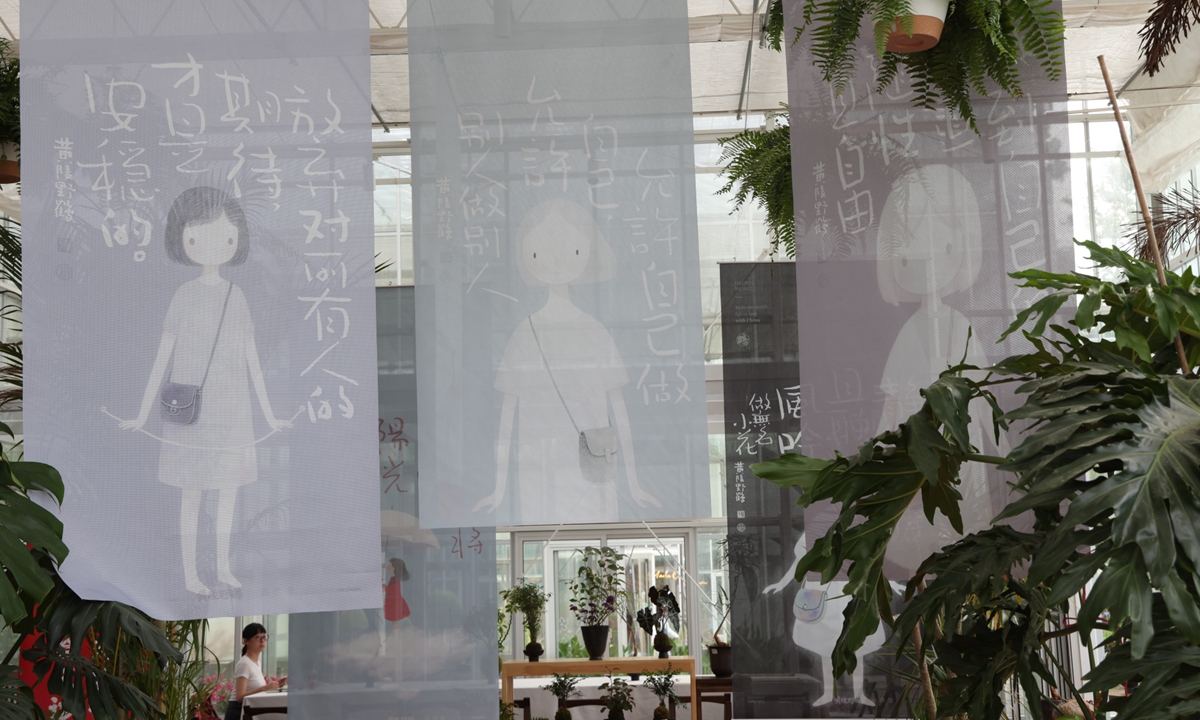
Photo: VCG
Picture this: You are feeling down, and when going to a hospital for help, your doctor hands you a special prescription that says, "Go stroll through a museum." Who says museums are just about silent relics and school field trips? On Tuesday, the Shanghai Natural History Museum launched China's first "Museum Healing Alliance," bringing together doctors, curators, and artists - all on a mission to support mental wellness through cultural experiences.No longer just a haven for ancient artifacts or education, Chinese museums are now transforming into places of healing, connection, and self-discovery - a move that might just turn a simple gallery visit into the highlight of people's next mood makeover.
The alliance, initiated by the Shanghai Natural History Museum and a branch of the Shanghai Science and Technology Museum, includes as its first members Shanghai Children's Hospital, the Shanghai Mental Health Center, Duolun Museum of Modern Art and Being Art Museum. By integrating nature, art, and science in museum spaces, the platform aims to help the public relieve stress, connect socially, and find innovative, non-drug approaches to emotional care, according to the Shanghai-based Shangguan News.
Internationally, museums have already explored roles in supporting public well-being. The report said the Shanghai alliance hopes to develop locally tailored solutions that highlight the unique advantages of science and art venues.
Why do museums feel emotionally restorative? Zhang Dandan, a music therapist, explained that soft lighting, calm spaces, and exhibits requiring patient engagement together create what psychologists call a "restorative environment." This atmosphere helps the brain switch from fast-paced, distracted information consumption to a more mindful, deliberate state.
One of the members, the Shanghai Duolun Museum of Modern Art has long focused on public engagement, especially on aging populations and intergenerational programs. A staff member told the Global Times on Wednesday that the museum runs a variety of educational and healing activities catering to all ages, and their expertise provides unique contributions to the alliance.
Moving forward, the museum will offer lectures, workshops, and creative projects, including intergenerational workshops, documentaries, AI art, community shows, and theater for dementia support.
Joining the alliance, museum staff noted, allows these activities to connect with a wider system and offer more professional support for older community members. They hope to build ongoing collaborations with institutions like the Shanghai Mental Health Center to make healing services more systematic and accessible.
Lin Wei, from the Being Art Museum, told the Global Times that the museum has also long been committed to art-based healing, offering more than 200 public education and art therapy events for citizens throughout 2025. After joining the alliance, they plan to further strengthen cooperation in art therapy practice with alliance members and are also discussing organizing interdisciplinary forums on the application of art therapy.
This alliance grew from the "museum prescription" program, which began in June with the Shanghai Mental Health Center and Shanghai Science and Technology Museum. Unlike traditional clinical prescriptions, a "museum prescription" does not involve medication; it is issued by mental health professionals who recommend specific museum experiences as therapy. These activities, based on exhibitions, can include music, aromatherapy, hands-on creativity, and more, according to Chinese media outlet the Paper.
Song Xian, head of science outreach at the Shanghai Science and Technology Museum and exhibition education at the Natural History Museum, said the first phase mainly targets seniors with declining cognitive abilities or emotional issues and high-stress office workers. So far, about 450 "prescriptions" have been issued, all expected to be used by late August, according to CCTV News.
RELATED ARTICLES