ARTS / CULTURE & LEISURE
China-Thailand joint discovery provides new evidence of Iron Age Maritime Silk Road trade
By Published: Jul 23, 2026 10:57 PM

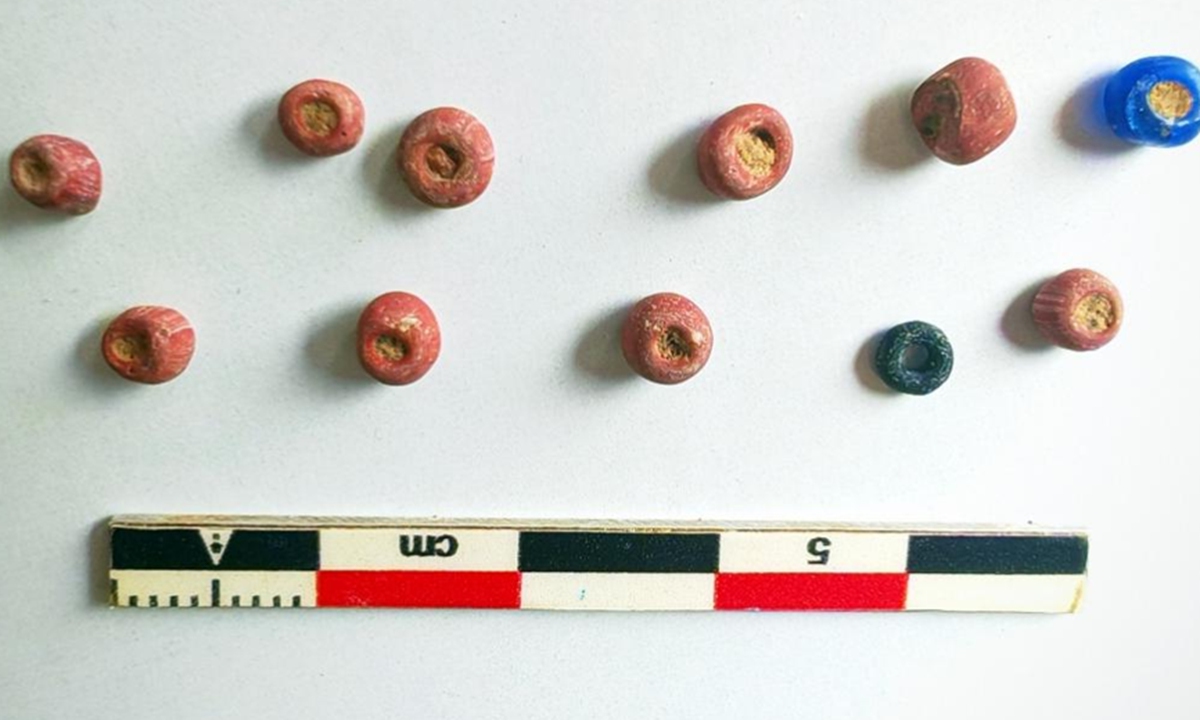
Bead ornaments unearthed from the DN site Photo: Courtesy of Chen Bin
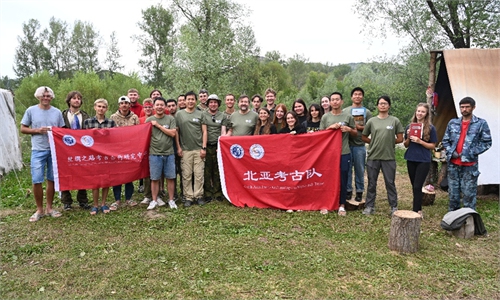
A newly formed joint archaeological team from the Hunan Provincial Institute of Cultural Relics and Archaeology and the Silpakorn University in Thailand recently carried out archaeological surveys and excavations in southern and central Thailand, achieving promising initial results. The team uncovered new bead ornaments such as glass beads and agate pendants at two sites. Similar artifacts have been discovered in various regions in both China and Thailand, making these finds important physical evidence for trade and cultural exchanges along the Maritime Silk Road.Chen Bin, Chinese leader of the joint team, told the Global Times on Thursday that the excavation focused mainly on the Kratumpheaw (KTP) and DongNoi (DN) sites, located in the Prachinburi and Chachoengsao provinces of Thailand.
At the KTP site, a total area of 24 square meters was excavated. Relics discovered include pottery shards, glass beads, agate beads, carnelian fragments, grinding stones, and animal bones. Based on the glass and agate beads found, experts estimate this site dates back 1,400 to 1,700 years and may have been a workshop related to the production and processing of bead ornaments.
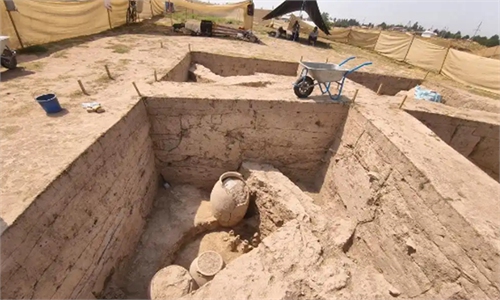
At the DN site, 52 square meters were excavated and two tombs cleared. Artifacts found include pottery, iron tools, agate, glassware, and especially a large quantity of pottery and bead ornaments. Most pottery pieces were porous and poorly preserved, making it difficult to identify their original shapes. The beads include glass beads, carnelian beads, and agate pendants. Based on these beads and iron artifacts, archaeologists believe the site dates from the Iron Age, around 1,600 to 1,800 years ago, and may have served as a cemetery for a community of bead makers.
The two tombs unearthed in this excavation - with their layouts and burial items - provide direct and important evidence for researchers to better understand burial customs, social structure, handicraft technologies, and cultural characteristics of Iron Age residents in eastern and central Thailand.
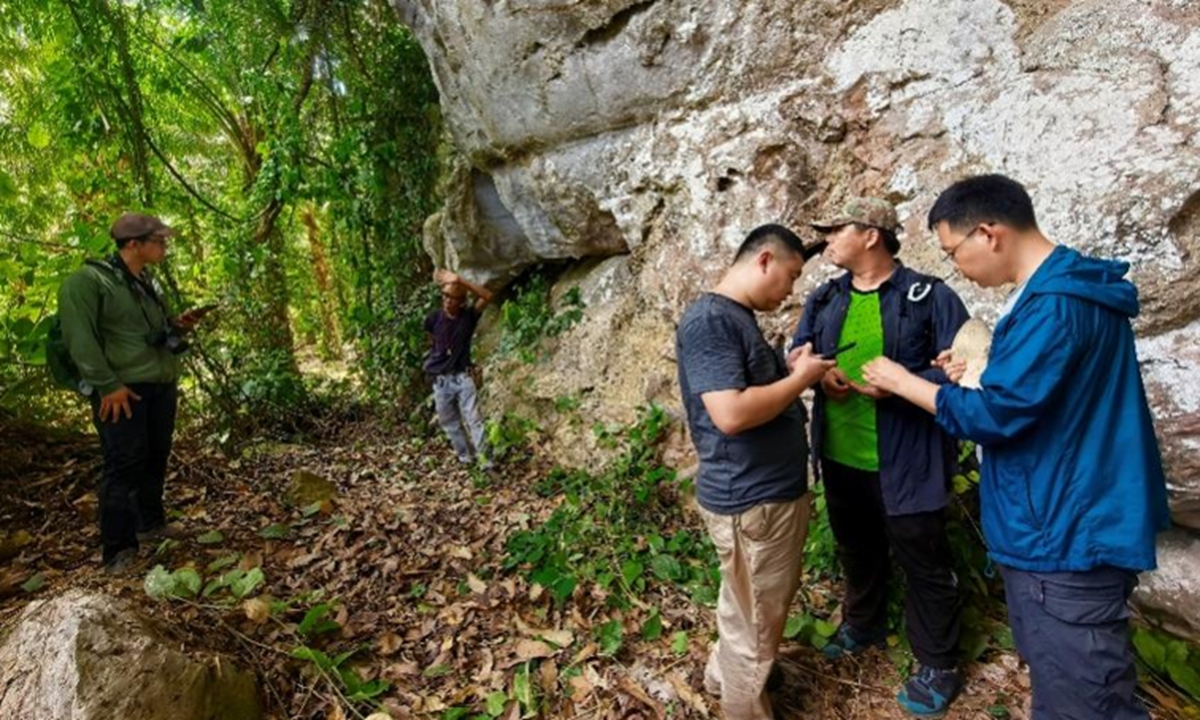
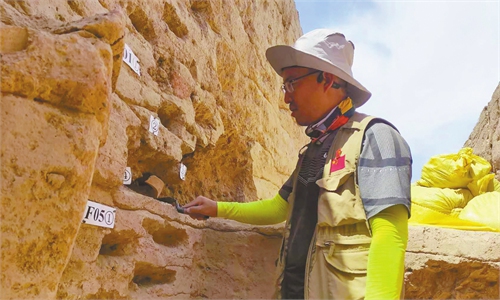
The joint archaeology team surveys a site. Photo: Courtesy of Chen Bin
Chen stated that the beads discovered at both sites are similar to those commonly found in other Thai provinces such as Chumphon, Prachinburi, and Chachoengsao, as well as in several regions of China, including South China's Guangdong Province, the Guangxi Zhuang Autonomous Region, Central China's Hunan Province, and Northwest China's Shaanxi Province. These artifacts not only offer reliable materials for clarifying the early cultural landscape and regional cultural interactions in central Thailand, but also supply new archaeological insights into the trade and cultural links of bead ornaments between Southeast Asia and China along the Maritime Silk Road.Chen also pointed out that archaeologists have long wondered about the origins of the large number of glass beads found in tombs of the Han Dynasty (206BC-AD220) in places such as Hepu in Guangxi and Guangzhou in Guangdong. But where did these artifacts come from?
"One purpose of this joint excavation is to explore whether ancient Thailand served as a production center for these ornaments," Chen explained. "But this will require systematic and thorough research following the excavations."
In the next phase, the joint archaeology team will continue their excavations at the two sites and carry out systematic cataloging, testing, and analysis of the unearthed items. Their goal is to deepen understanding of early handicraft technology, cultural exchanges, and trade activities along the Maritime Silk Road.
RELATED ARTICLES