IN-DEPTH / IN-DEPTH
Nauru’s ‘future diplomat’ studying in China looks for practical answers for climate and development back home
Charting paths
By Published: Aug 03, 2026 09:50 PM

Editor's Note:
The youth are the vanguards of our time, showcasing boundless energy and vibrant personalities. Gen-Zers not only represent the makers of the future but also serve as agents of change in the present. With an open mindset and an international outlook, they actively integrate into the currents of globalization, engaging in deep exchanges, and collaborating with youth from around the world to explore pathways and strategies to address global challenges.
The Global Times launched the "Voice from Gen Z" series, which focuses on the proactive actions and innovative achievements of young people around the world in areas such as global governance, cultural exchange, environmental protection, and technological innovation. Through this column, we aim to showcase the unique charm and future leadership of global Gen-Zers.
Chinese university students, teachers and primary school pupils stopped to look, and Aroi found himself introducing the Pacific island country to one visitor after another.
"I was more than happy to tell people about my country," Aroi told the Global Times. "Many Chinese were so curious, and I was really pleased to see how eager they were to learn about Nauru."
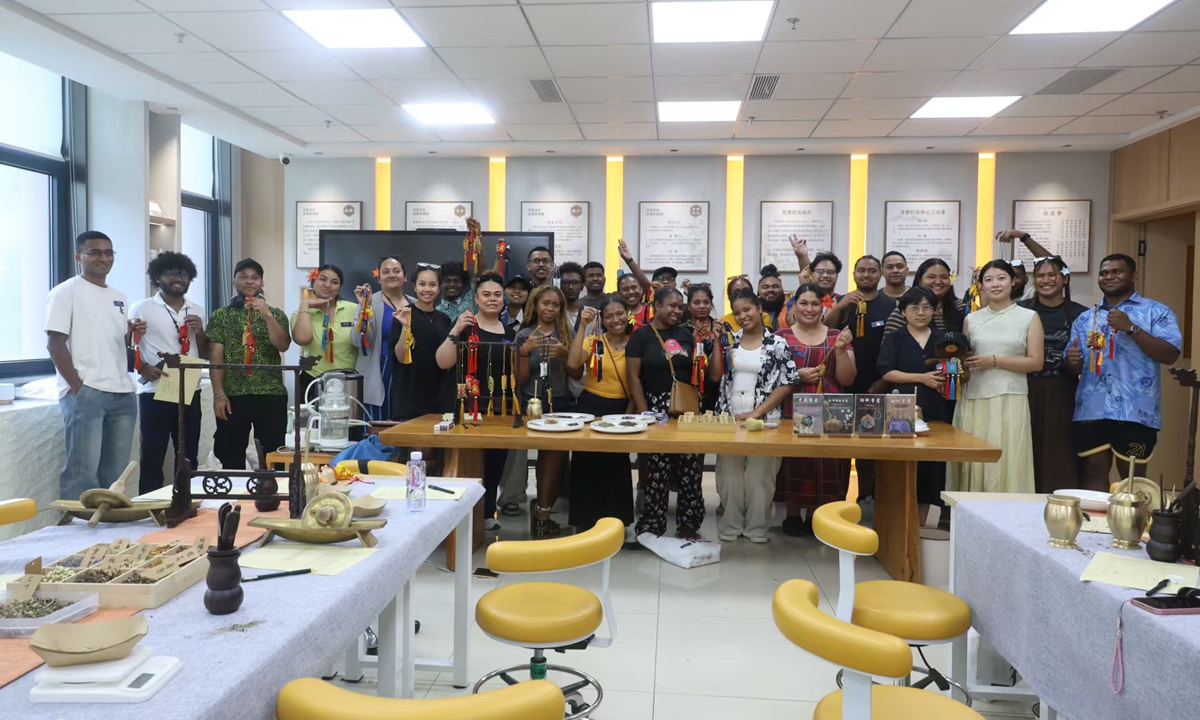
In July, Aroi joined 29 other students from 10 Pacific island countries (PICs) at the 2026 Qilu Empowerment Training Camp for Youth from Pacific Island Countries in East China's Shandong Province. The 10-day program combined climate change courses, vocational training and visits to agricultural and industrial projects.
For Aroi, an international politics student at the university, the exchange made the connection between young people in the two countries tangible. It also reflected one of the reasons he chose to study in China: He wanted to understand how a small island country can engage with major powers while preserving its own development choices.
Questions from a small island
Aroi said he chose to study international politics in China for two reasons.
"First, China is one of the few major powers that maintain sincere, equal partnerships with small Pacific island nations like Nauru," he told the Global Times.
He contrasted this with what he described as cooperation offered by some Western powers with strict political conditions attached. He wanted to examine China's diplomatic approach toward developing countries, particularly its relations with PICs.
His second reason came from the challenges facing Nauru itself. "Nauru faces existential climate change risks and limited economic resources," Aroi said. "My main research goals were: How can tiny island nations secure sustainable development cooperation without sacrificing sovereignty? How does China's climate finance and infrastructure aid support vulnerable Pacific communities?"
The University of International Business and Economics' focus on international economic diplomacy offered a place to explore those questions.
Among his courses, a seminar on environmental diplomacy left the deepest impression. The class examined China's environmental policies and cooperation with other countries. Pacific island students also shared their countries' experiences of climate change and international assistance.
In January 2024, China and Nauru resumed diplomatic relations. Mutual political trust and reciprocally beneficial cooperation between the two countries have continued to deepen. The two sides have become good friends and partners who respect each other and pursue development together, according to the Xinhua News Agency.
Aroi believes studying in China as bilateral exchanges expanded offered another way to observe how diplomatic decisions move from official documents into education, training and development projects.
His understanding of China before arriving was more complicated than a single media image.
"Before I came to China, my understanding was shaped by limited Western media narratives," he said. "However, I also read some history and watched documentaries about China."
He had read about poets Li Bai and Gao Shi and watched documentaries about the Chinese People's War of Resistance against Japanese Aggression (1931-45). He is particularly interested in the history of the Three Kingdoms period (220-280).
Living in China allowed him to revisit that history from the perspectives of Chinese professors and local people, he said. At the same time, experiences such as the university cultural expo allowed the exchange to work in both directions: While he learned more about China, Chinese visitors were also learning about Nauru from him.
At the training camp in Shandong, some of Aroi's questions about international cooperation took a practical form. "The field trip to the agricultural sectors in Weifang was the most valuable experience," he said. "Listening to what China can offer to Pacific islands regarding agriculture was impressive."
During the visit, trainees learned about different types of greenhouses, cultivation methods and water-saving agricultural technologies.
Aroi immediately connected drip irrigation with Nauru's limited freshwater resources. He also considered whether greenhouse cultivation and Chinese agricultural expertise could support farming on an island where phosphate extraction has left some areas barren and unused.
"With China's expertise in agriculture, Nauru will be able to increase its agricultural sector," he said.
"Sea level rise is the most concerning issue in Nauru," he said. "Nauruans fear losing our homeland and identity within decades, and we have limited global climate aid to Nauru."
He also pointed to an economy dependent on phosphate mining, which he said is approaching depletion. Young people face limited long-term employment opportunities, with many working in low-paid temporary jobs that offer little room for career development.
Education creates another dilemma. High-quality university education overseas remains unaffordable for many families, Aroi said. Yet young Nauruans who leave to study and work abroad may not return, reducing the number of trained professionals available to support development at home.
Post-mining ecological recovery adds another burden. Aroi said phosphate extraction has damaged soil, constrained agriculture and complicated access to fresh water, while the resources available for restoration remain limited.
These concerns shaped what he looked for in Shandong.
At the opening of the training camp, Chen Dezheng, executive deputy director of the China-Pacific Island Countries Climate Action Cooperation Center, described the participating students as young people who "both understand the real difficulties facing island countries and are gaining advanced knowledge and technologies in China."
Chen said their experience placed them in a position to connect China and PICs while contributing to green development.
Aroi sees such connections operating through several channels. China-Pacific youth forums allow young islanders to present climate and development concerns to policymakers, he said, while Chinese government scholarships make overseas education accessible by covering tuition, accommodation and living costs.
"I want to tell Nauruans that having a balanced green development is achievable," he said, adding that "China has also shown me methods of how they can aid Nauru with their technology, expertise and services."
The youth are the vanguards of our time, showcasing boundless energy and vibrant personalities. Gen-Zers not only represent the makers of the future but also serve as agents of change in the present. With an open mindset and an international outlook, they actively integrate into the currents of globalization, engaging in deep exchanges, and collaborating with youth from around the world to explore pathways and strategies to address global challenges.
The Global Times launched the "Voice from Gen Z" series, which focuses on the proactive actions and innovative achievements of young people around the world in areas such as global governance, cultural exchange, environmental protection, and technological innovation. Through this column, we aim to showcase the unique charm and future leadership of global Gen-Zers.
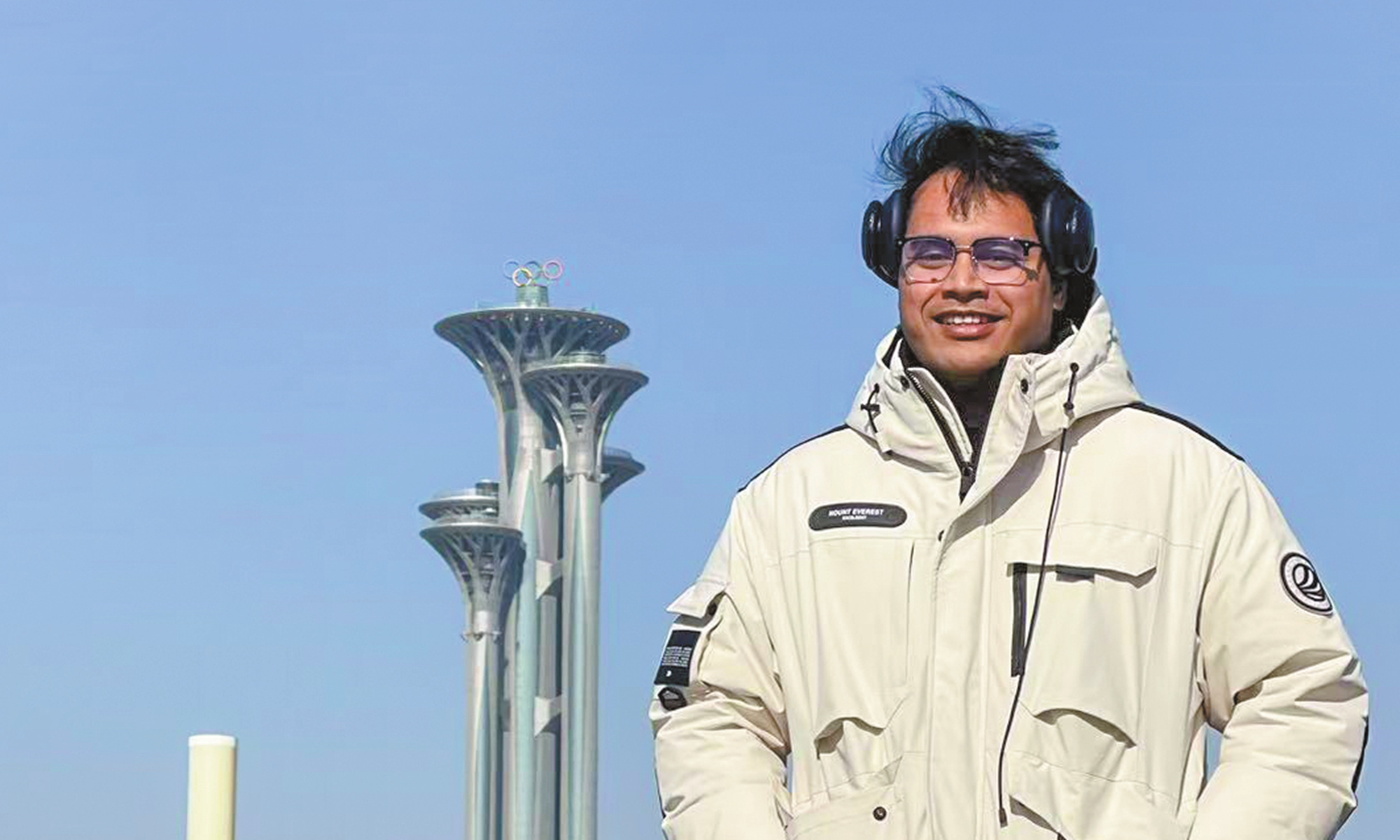
Sonjin Aroi Photo: Courtesy of Aroi
A few months ago, Sonjin Aroi stood beside a Nauru booth at a cultural expo organized by the University of International Business and Economics in Beijing.Chinese university students, teachers and primary school pupils stopped to look, and Aroi found himself introducing the Pacific island country to one visitor after another.
"I was more than happy to tell people about my country," Aroi told the Global Times. "Many Chinese were so curious, and I was really pleased to see how eager they were to learn about Nauru."
In July, Aroi joined 29 other students from 10 Pacific island countries (PICs) at the 2026 Qilu Empowerment Training Camp for Youth from Pacific Island Countries in East China's Shandong Province. The 10-day program combined climate change courses, vocational training and visits to agricultural and industrial projects.
For Aroi, an international politics student at the university, the exchange made the connection between young people in the two countries tangible. It also reflected one of the reasons he chose to study in China: He wanted to understand how a small island country can engage with major powers while preserving its own development choices.
Questions from a small island
Aroi said he chose to study international politics in China for two reasons.
"First, China is one of the few major powers that maintain sincere, equal partnerships with small Pacific island nations like Nauru," he told the Global Times.
He contrasted this with what he described as cooperation offered by some Western powers with strict political conditions attached. He wanted to examine China's diplomatic approach toward developing countries, particularly its relations with PICs.
His second reason came from the challenges facing Nauru itself. "Nauru faces existential climate change risks and limited economic resources," Aroi said. "My main research goals were: How can tiny island nations secure sustainable development cooperation without sacrificing sovereignty? How does China's climate finance and infrastructure aid support vulnerable Pacific communities?"
The University of International Business and Economics' focus on international economic diplomacy offered a place to explore those questions.
Among his courses, a seminar on environmental diplomacy left the deepest impression. The class examined China's environmental policies and cooperation with other countries. Pacific island students also shared their countries' experiences of climate change and international assistance.
In January 2024, China and Nauru resumed diplomatic relations. Mutual political trust and reciprocally beneficial cooperation between the two countries have continued to deepen. The two sides have become good friends and partners who respect each other and pursue development together, according to the Xinhua News Agency.
Aroi believes studying in China as bilateral exchanges expanded offered another way to observe how diplomatic decisions move from official documents into education, training and development projects.
His understanding of China before arriving was more complicated than a single media image.
"Before I came to China, my understanding was shaped by limited Western media narratives," he said. "However, I also read some history and watched documentaries about China."
He had read about poets Li Bai and Gao Shi and watched documentaries about the Chinese People's War of Resistance against Japanese Aggression (1931-45). He is particularly interested in the history of the Three Kingdoms period (220-280).
Living in China allowed him to revisit that history from the perspectives of Chinese professors and local people, he said. At the same time, experiences such as the university cultural expo allowed the exchange to work in both directions: While he learned more about China, Chinese visitors were also learning about Nauru from him.
Students from Pacific island countries learn about traditional Chinese culture during a training program in East China's Shandong Province in July 2026 Photo: Courtesy of Liaocheng University
From diplomacy to drip irrigationAt the training camp in Shandong, some of Aroi's questions about international cooperation took a practical form. "The field trip to the agricultural sectors in Weifang was the most valuable experience," he said. "Listening to what China can offer to Pacific islands regarding agriculture was impressive."
During the visit, trainees learned about different types of greenhouses, cultivation methods and water-saving agricultural technologies.
Aroi immediately connected drip irrigation with Nauru's limited freshwater resources. He also considered whether greenhouse cultivation and Chinese agricultural expertise could support farming on an island where phosphate extraction has left some areas barren and unused.
"With China's expertise in agriculture, Nauru will be able to increase its agricultural sector," he said.
"Sea level rise is the most concerning issue in Nauru," he said. "Nauruans fear losing our homeland and identity within decades, and we have limited global climate aid to Nauru."
He also pointed to an economy dependent on phosphate mining, which he said is approaching depletion. Young people face limited long-term employment opportunities, with many working in low-paid temporary jobs that offer little room for career development.
Education creates another dilemma. High-quality university education overseas remains unaffordable for many families, Aroi said. Yet young Nauruans who leave to study and work abroad may not return, reducing the number of trained professionals available to support development at home.
Post-mining ecological recovery adds another burden. Aroi said phosphate extraction has damaged soil, constrained agriculture and complicated access to fresh water, while the resources available for restoration remain limited.
These concerns shaped what he looked for in Shandong.
At the opening of the training camp, Chen Dezheng, executive deputy director of the China-Pacific Island Countries Climate Action Cooperation Center, described the participating students as young people who "both understand the real difficulties facing island countries and are gaining advanced knowledge and technologies in China."
Chen said their experience placed them in a position to connect China and PICs while contributing to green development.
Aroi sees such connections operating through several channels. China-Pacific youth forums allow young islanders to present climate and development concerns to policymakers, he said, while Chinese government scholarships make overseas education accessible by covering tuition, accommodation and living costs.
"I want to tell Nauruans that having a balanced green development is achievable," he said, adding that "China has also shown me methods of how they can aid Nauru with their technology, expertise and services."
RELATED ARTICLES