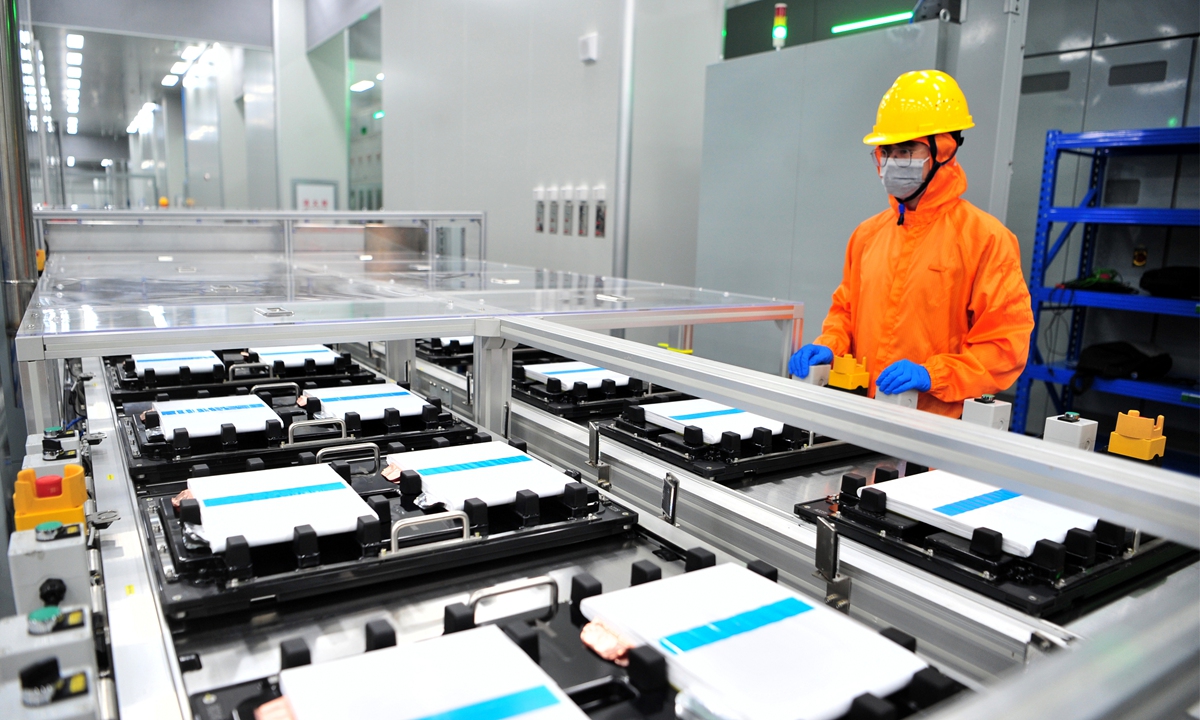
A worker monitors lithium battery cells on a production line at the newly commissioned second phase of CORNEX NEW ENERGY's 80-gigawatt hour battery industrial park in Yichang, Central China's Hubei Province, on August 9, 2026. Photo: VCG
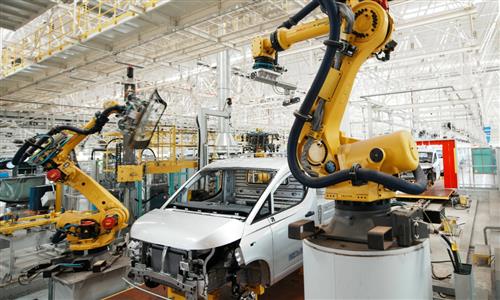
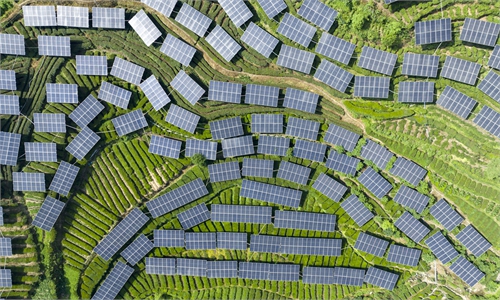
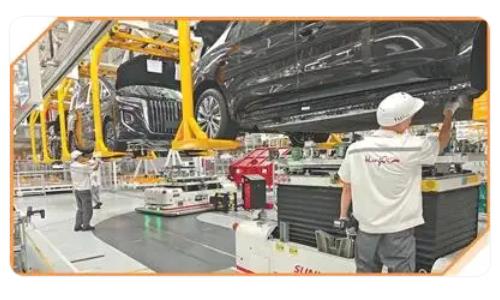
An official of China's top economic planner said that China aims to establish a comprehensive closed-loop management system for the recycling of solid waste from the "new trio" of electric vehicles, lithium batteries and photovoltaic systems by 2030.
The remarks were made by Wang Shancheng, an official of the National Development and Reform Commission (NDRC) at an event in Hulun Buir city of North China's Inner Mongolia Autonomous Region on Saturday, CCTV News reported on Sunday.
Wang said that NDRC will expedite the formulation of management measures for the recycling of wind power and photovoltaic equipment, establish a comprehensive closed-loop management system for the full-chain recycling of solid waste from the "new trio" by 2030.
He also said it will strictly implement the "scrapping with batteries" policy for new-energy vehicles, and severely crack down on illegal and non-compliant recycling and dismantling activities.
In addition, China will vigorously promote the upgrading of the circular economy industry by supporting the construction of national key laboratories in the field of resource recycling, accelerating the transformation and upgrading of dismantling capacity for key renewable resources such as waste mechanical and electrical equipment, automobiles, and electrical and electronic products, and leveraging the role of leading enterprises to optimize the layout of recycling outlets and improve the level of intelligent and refined sorting, Wang said.
China's State Council issued an action plan for carbon peaking during the 15th Five-Year Plan (2026-30) period, outlining key tasks and measures to achieve the goal.
By 2030, China's carbon dioxide emissions per unit of GDP will be reduced by 17 percent from the 2025 level, and the share of non-fossil energy consumption will reach 25 percent, according to the plan.
These measures aim to ensure the timely achievement of a carbon peaking goal and lay a solid foundation for meeting the country's nationally determined contributions target for 2035 and advancing carbon neutrality.
Zhou Haibing, deputy head of the NDRC, said at the same event that China will thoroughly implement the carbon peaking initiative and expedite the adjustment and optimization of the industrial mix, energy mix, transportation structure, and other related areas, so as to ensure the timely attainment of the carbon peaking target.
Global Times
RELATED ARTICLES