BUSINESS / PRESS RELEASE
A dual-brand differentiation strategy: Yinhe Tea Industry’s tiered approach addresses key challenges in Pu’er tea industry development
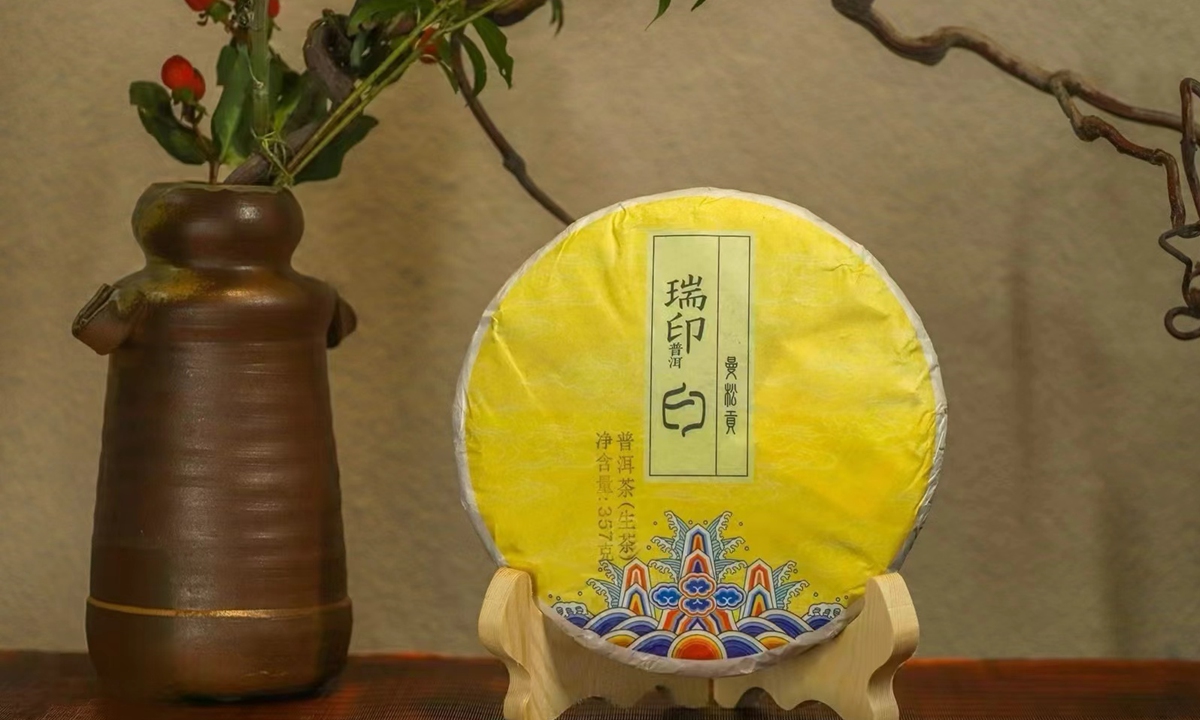
2018 Ruiyin Pu'er · Mansonggong 357g raw tea cake
Recently, the Xishuangbanna Yinhe Tea Industry announced a strategic collaboration between its two flagship brands, Ruiyin Pu'er and Yunnan Tongxinghao. Leveraging raw materials from ancient tea trees across the six major tea mountains in Xishuangbanna and a mature tea processing system, the brands focus on two key segments: premium ancient tree collection teas and standardized mass-market vintage teas, offering solutions to industry challenges such as inconsistent raw material grading, lack of vintage traceability, and a narrow consumer base.Ruiyin specializes in premium Pu'er tea from ancient trees, targeting a niche circle of veteran collectors. All raw materials are sourced exclusively from fresh first-harvest leaves from high-altitude ancient tea gardens across the six major tea mountains; the total harvest volume is strictly controlled, and inferior leaves are screened out. Leveraging the rich bioactive compounds accumulated under the unique growing conditions of these ancient tea trees, the brand has established a solid foundation for both drinking quality and aging potential.
The entire production process strictly follows the ancient intangible cultural heritage craftsmanship of Pu'er tea production. Every step, from harvesting to initial processing and commercialization, is under meticulous manual oversight. Ruiyin consistently upholds a balance between immediate drinking experience and long-term aging potential. While the current high-end ancient tree tea market predominantly promotes the concept of renowned mountains, Ruiyin strictly controls raw material output, carving out a distinctive path in collectible tea offerings by catering exclusively to niche collectors.
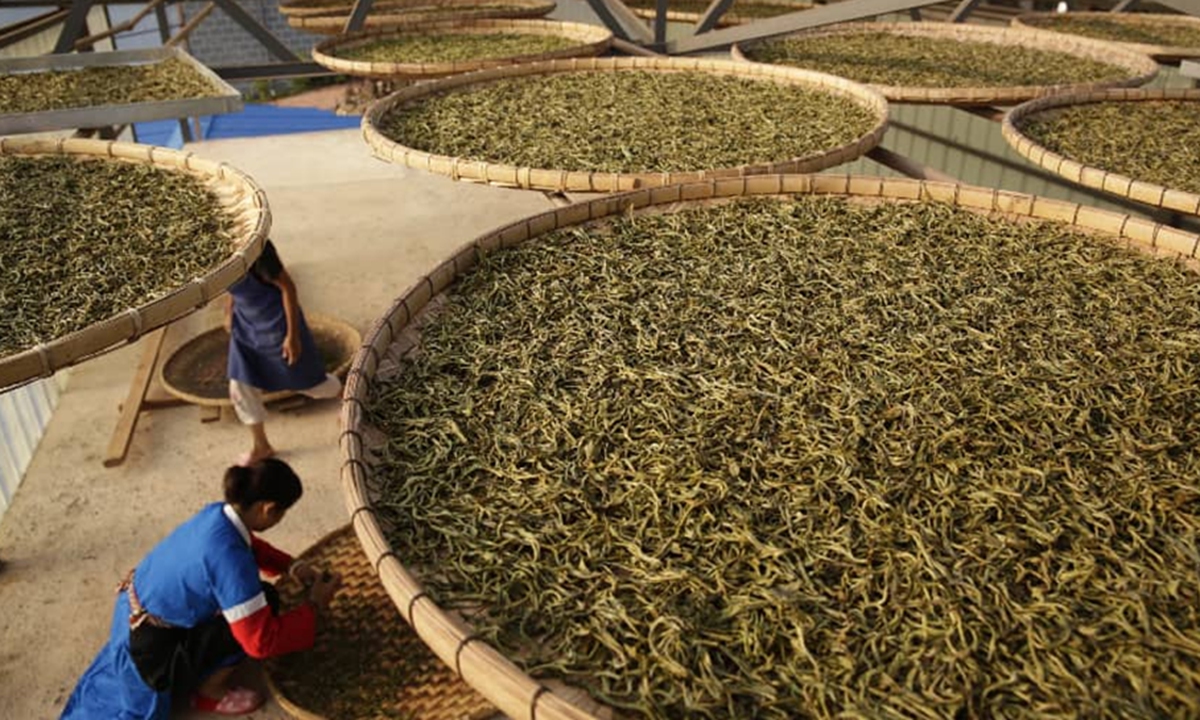
Employees work at a production site for Ruiyin ancient tree tea, where the raw materials are sun-dried before processing.
The history of Tongxinghao dates back to 1732. During the Republic of China (1912-49) era, it became one of the four major tea enterprises in China. In 2004, Yunnan Tongxinghao launched its brand revival and business restoration efforts. It established a complementary relationship with Ruiyin Pu'er in the market, focusing primarily on mass-market vintage Pu'er tea. Addressing issues such as false age labeling and non-standardized storage practices, the brand established regional raw material reserves and vintage sample traceability warehouses, preserving tea samples by vintage while maintaining comprehensive physicochemical and taste profiles. In 2024, the company officially rolled out its "Vintage Tea Standard," defining storage categories and standardizing factory inspection procedures, thereby ensuring traceable origins and comparable quality for vintage teas, filling a gap in standardized products for the mass market.The collaboration between the two brands establishes a clearly tiered operational structure: Ruiyin focuses on rare ancient tree tribute teas to meet collectors' needs, while Yunnan Tongxinghao leverages a standardized system to serve everyday tea enthusiasts. Industry experts regard this parallel model as a viable reference for tea companies balancing rare ancient tree products with mass-market tea offerings.
Going forward, Yinhe Tea Industry will continue to expand its reserve of ancient tree raw materials from the six major tea mountains and enhance the specialized storage facilities for Ruiyin's exclusive collections. Meanwhile, it will upgrade the testing standards for Tongxinghao vintage teas, solidifying its three core strengths in raw materials, craftsmanship, and traceability, while addressing the practical needs of different consumer groups for both daily drinking and tea collection.
RELATED ARTICLES