BUSINESS / PRESS RELEASE
From immovable heritage to digital treasure, Tianyige Museum epitomizes Ningbo’s cultural creativity

Photo: Courtesy of Tianyige Museum
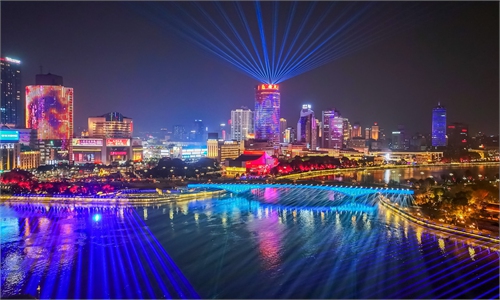
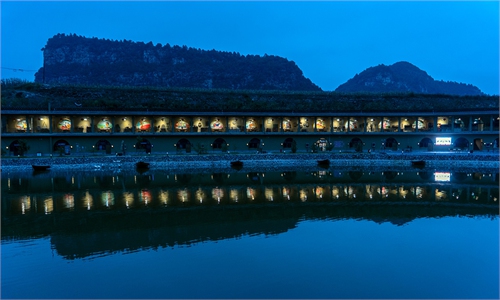
While the Ningbo Center rises high as an icon of modernity and grandeur in Ningbo, Tianyige, also known as the Tianyige Museum, is nestled quietly in the alleyways of the city's old town. It makes no claim to height. Instead, with quiet grace and unassuming elegance, it quietly chronicles Ningbo's cultural lineage, revealing the city's distinctive feature that history and modernity coexist in harmony.First built during the Ming Dynasty (1368-1644), Tianyige stands as China's oldest surviving private library, home to some 300,000 volumes of ancient texts. In 1994, it became the Tianyige Museum. In the past, Fan Qin, a Ningbo native and Ming Dynasty senior official, together with his descendants, stored volume after volume of ancient books in the museum, placing them in bookcases made of locally sourced camphorwood. These books include Confucian and Taoist classics, local gazetteers, imperial examination records, and more.
Today, while these books still reside in those camphorwood cabinets, they have long surpassed their paper form, reaching the public through innovative displays and digital means.
Within the Tianyige Museum, its Zunjing Ge (Hall of Classics) has been turned into an exhibiting space. Every single month, it launches a show inspired by ancient books. Diving into the current May exhibition, one would be surprised to find that a Ming Dynasty printed edition records the famous Tang Dynasty (618-907) poet Wang Wei's poem "Xiang Si" (Yearning). In the widely known version, the last two lines of this poem are roughly translated as "May you gather plentifully, for this fruit best embodies remembrance." However, the treasured edition preserved in the museum records a strikingly different version: "Please do not gather them, for this fruit best embodies remembrance."
This intriguing detail reveals the historical and research value of these holdings. In order to make such rare resources more accessible to the public, the museum has been committed to the digital transformation of its ancient book collection. Its established digital platform is now globally accessible. As of May, more than 40,000 volumes of ancient books have been uploaded to this platform.
Moving beyond a simple "photograph-and-record" method, the museum has innovatively built a complete workflow that covers everything from "storage to revitalization." Relying on its self-developed big data governance platform for ancient books, the character recognition rate for ancient texts has reached approximately 95 percent.
Such an achievement would not have been easily attained without Ningbo's local "smart" culture - an interdisciplinary research environment that bridges the humanities and technology - along with its well-established urban digital infrastructure. For example, Ningbo's local facilities - including network bandwidth, cloud computing services, and 5G coverage - have provided an excellent platform for the storage and transmission of massive volumes of ancient book data.
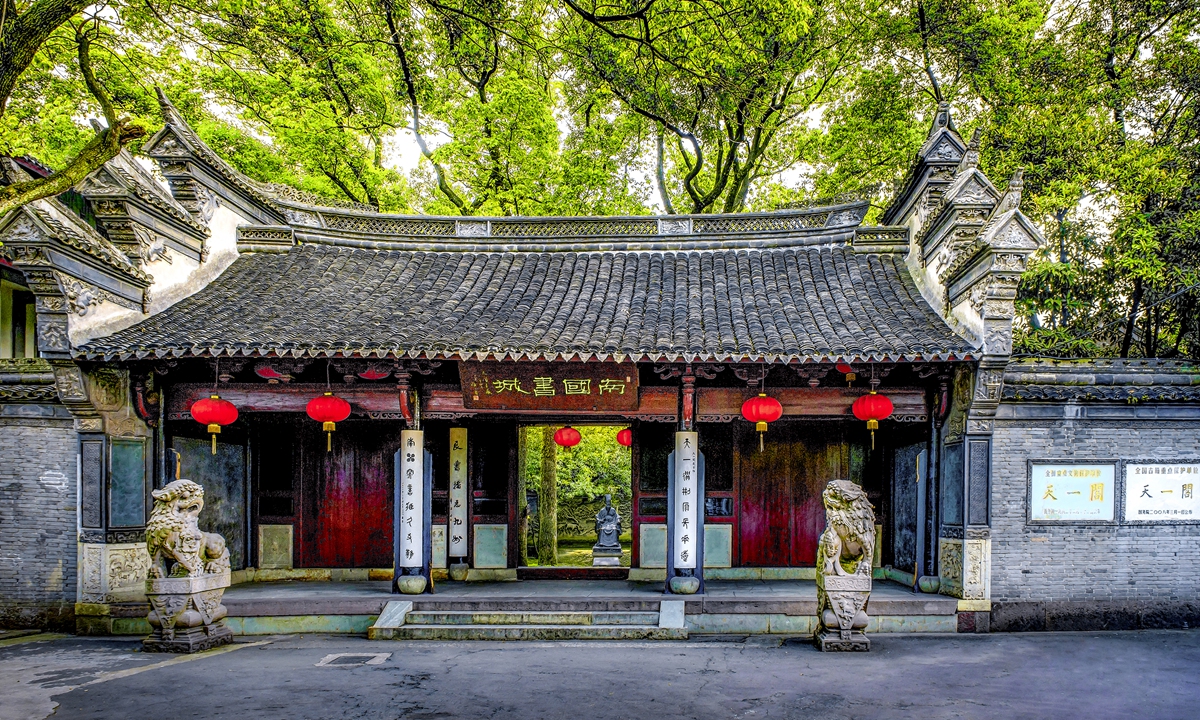
Photo: Courtesy of Tianyige Museum
Zheng Weiwei, vice-secretary of the museum Party Committee, told the Global Times that in addition to the digitization, the museum has also transformed ancient book resources into immersive experiences through methods such as "theatrical art performances" and "intangible cultural heritage handicrafts."Yet, such a creative spirit for reading goes far beyond the museum's efforts alone.
Before the introduction of the national-level Regulations on Promoting Nationwide Reading, the city of Ningbo had already launched several local initiatives to promote reading across the population.
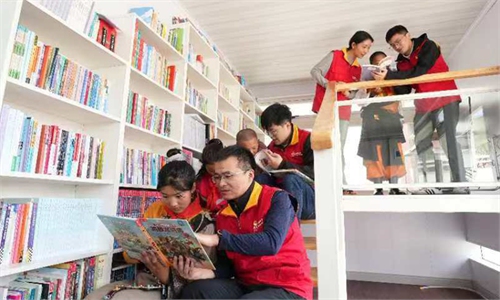
It introduced cultural brands such as "Reading Classics with Children" to cultivate reading habits among young people. "Reading Classics with Children" has also grown from a local initiative in Ningbo into a cultural brand that has received nationwide acclaim. In 2025, it was named one of the Top 10 National Reading Cases of the Year, setting an example for other brands on how to integrate resources and promote youth reading systems.
Utilizing Ningbo's local strengths in technological innovation, the city's first digital reading district inspired by the brand was established in 2026.
Through AR science interaction zones, mobile libraries, and other installations, the district enables children to experience the charm of traditional Chinese culture found in ancient classics by means of technology.
Currently, Ningbo is the first city in China to achieve full coverage of children's libraries at both the municipal and district (county) levels.
Including this, all 10 districts (counties, and county-level cities) in Ningbo have now completed and put into operation their children's libraries, fundamentally transforming the previous predicament of having to head to other districts to access library services.
As early as 2020, Ningbo had already implemented its own local regulations to promote reading in the city. These proposed a number of innovative measures, such as launching reading spaces in local food markets, recruiting volunteers to promote a reading atmosphere at the community level, as well as launching radio reading programs to serve people with disabilities.
These creative initiatives have broken the boundaries of reading, allowing Ningbo's time-honored culture of books and scholarship to continue to thrive till today.
RELATED ARTICLES