ARTS / CULTURE & LEISURE
China’s million-follower mukbang creator ‘Gan Fan Ying’ dies days after her final ‘Let’s Eat’ video
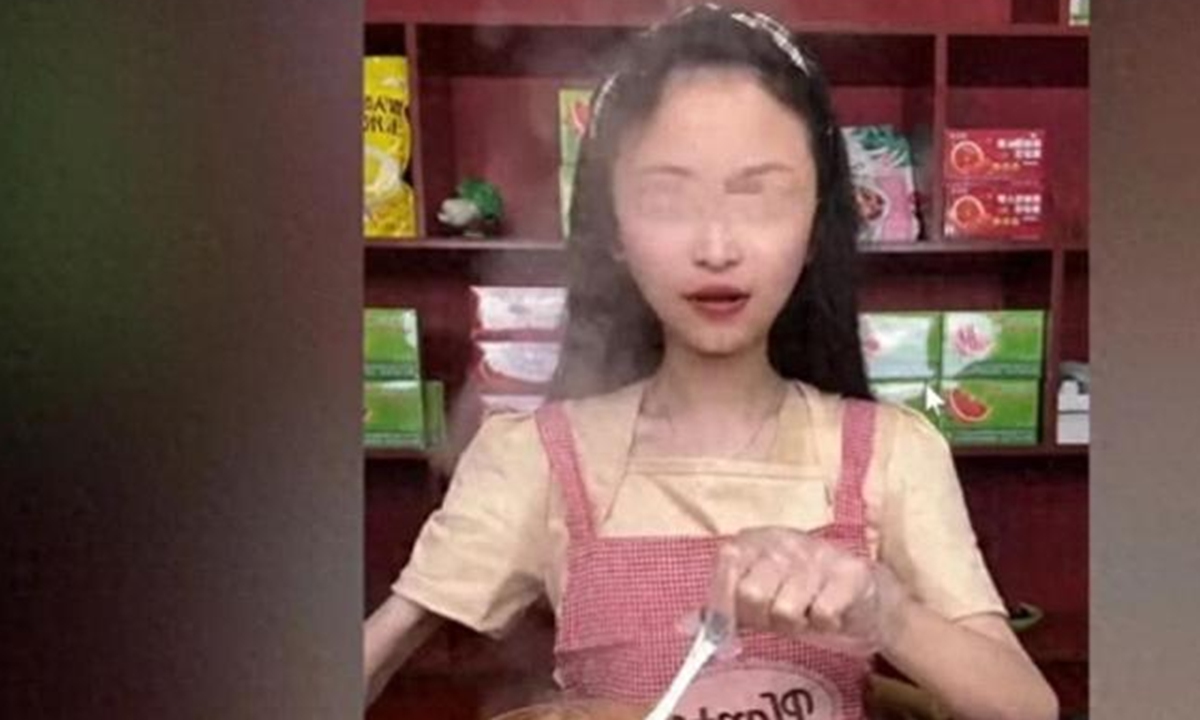
Chinese mukbang creator known online as "Gan Fan Ying" Photo: Screenshot from website
The death of Chen Ziyi, a 24-year-old Chinese mukbang creator known online as "Gan Fan Ying," has drawn widespread attention in recent days. Related hashtags topped Sina Weibo (China's Instagram-like platform) hot search list, garnering more than 210 million views as of press time.
Speculation about the cause of Chen's death has centered on hypokalemia, or low blood potassium. In videos and livestreams posted before her death, she repeatedly showed needle marks on the backs of her hands and said that her repeated and habitual eating caused her to lose potassium quickly, leading to recurrent low potassium levels and health problems. She mentioned going to the emergency department for potassium replacement and being hospitalized again, according to the Beijing News.
Experts warn that extreme eating and repeated self-induced vomiting can lead to electrolyte imbalances that may be life-threatening.
Chen once disclosed during a livestream that her blood potassium level had fallen to around 2.3 mmol/L. According to the Expert Consensus on Ion Management in Patients with Heart Failure in China, the normal blood potassium range is 3.5-5.5 mmol/L. A level below 2.5 mmol/L is classified as severe hypokalemia, which can cause life-threatening complications, including cardiac arrest.
Luo Chaofan, a rehabilitation therapist affiliated with China's National Health Commission, told the Global Times that potassium is an essential electrolyte that supports normal bodily functions, including nerve signaling, muscle contraction and the electrical activity of the heart. Repeated vomiting over a prolonged period can cause the loss of potassium and other electrolytes, potentially disrupting normal heart rhythms in severe cases.
"Severe hypokalemia can put a person at risk of dangerous heart rhythm abnormalities. It requires prompt medical assessment and treatment, and cannot be addressed simply by taking potassium supplements on one's own," Luo said.
He noted that electrolyte imbalances can have multiple causes. Whether someone is potassium-deficient cannot be determined solely by how much they eat or by advice circulating online. Potassium supplements should not be treated as a routine remedy after extreme eating.
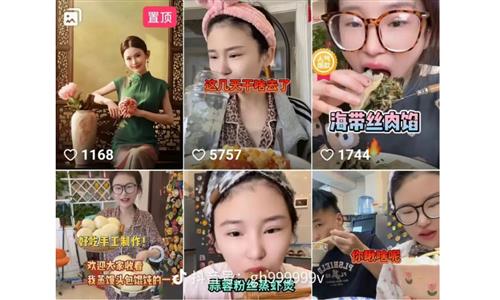
According to the Beijing News, Chen was about 1.62 meters tall and at one point weighed around 35 kilograms. She began experiencing intense anxiety about her weight while preparing for the arts college entrance examination and tried to lose weight through dieting and self-induced vomiting. Around 2019, she was diagnosed with depression and problems related to binge eating. She began creating mukbang videos in 2021 and gained popularity for eating large quantities of food at high speed. She later began managing her account independently and amassed more than 1.23 million followers on a short-video platform.
To make her videos more eye-catching, Chen continued eating rapidly and experimented with larger plates, greater quantities of food and unusual dishes. According to news reports, she once said during a livestream that she "couldn't eat any more" and was "risking her life to eat," yet repeatedly said she could not stop.
Luo told the Global Times that people who persistently struggle to control their eating or repeatedly resort to self-induced vomiting or extreme dieting to manage their weight should not simply be labeled as having a big appetite or being overly concerned about their appearance.
"Such behaviors may indicate an eating disorder or an underlying mental health issue and warrant professional help. People around them should not ridicule or blame them, nor treat abnormal eating behaviors as entertainment. Instead, they should encourage them to seek proper medical assessment and treatment," he stressed.
Following Chen's death, discussions emerged online under phrases such as "mukbang creators across the internet are taking potassium supplements," while some creators began promoting potassium products. Luo cautioned that supplements cannot replace proper diagnosis and treatment, and health risks cannot be neutralized simply by taking a particular nutrient.
RELATED ARTICLES