Renewable energy illustration: Chen Xia/Global Times
One of the challenges emerging from India's rapid economic growth is how to meet its rising demand for electricity. The Indian Express reported that Ghanshyam Prasad, chairperson of the country's top power planner, said that India may need to add 105-150 gigawatts of coal-based power capacity by 2035, significantly more than the 97 gigawatts currently planned.
The remarks come amid growing concerns over whether India's electricity supply can keep pace with rising demand. Bloomberg recently reported that smaller factories, farmers and households are facing power cuts as demand outweighs supply on the grid. Manish Dhuppad, general secretary at the Chhattisgarh Mini Steel Plant Association, was quoted as saying that small steel mills in the central state of Chhattisgarh are facing outages of 10 to 12 hours a day, forcing plants to reduce output.
India's electricity challenges are complex. Yet recent signs of supply constraints suggest that ensuring a reliable power supply is becoming increasingly important as the economy expands. The focus, therefore, is shifting toward how India can expand electricity supply to meet rising demand.
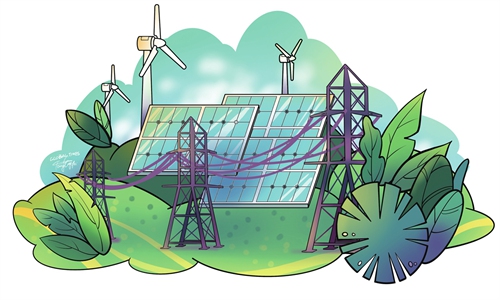
The paradox is that India's electricity supply challenges have emerged even as its renewable energy sector has expanded rapidly. India now ranks third globally in renewable energy installed capacity, with solar power accounting for the largest share of its renewable energy mix. As of July 31, the country's installed solar capacity had reached 164.59 gigawatts, up from just 2.8 gigawatts in 2014. The scale of this increase highlights the rapid pace of India's solar development over the past decade.
The question, then, is why India's power shortages have persisted alongside rapid growth in renewable energy. One part of the answer is that some renewable electricity has not been fully utilized. Citing data from the Centre for Research on Energy and Clean Air (CREA), Reuters reported that India turned away nearly 1.8 billion units of renewable electricity in July and August, even as it grappled with power shortages. CREA analysts attributed the curtailment to grid and operational constraints.
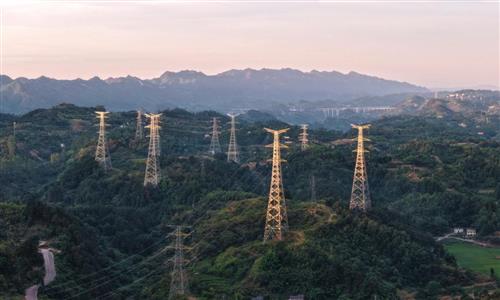
In other words, India's renewable energy expansion has created a new challenge: some of the electricity generated has gone to waste because the grid has not been able to absorb it. The build-out of renewable energy has outpaced the development of transmission infrastructure. Expanding grid capacity and energy storage could offer a more effective way to address this mismatch.
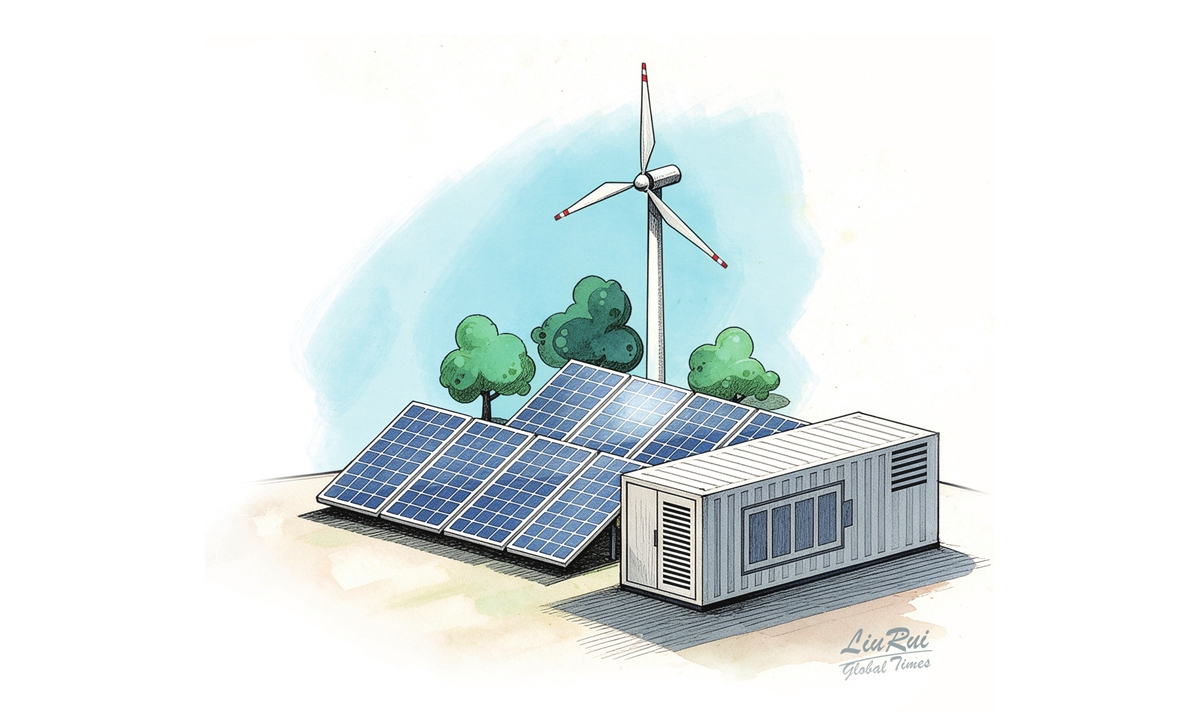
One area with potential is battery storage. Deploying battery storage systems could help integrate more renewable power into the grid and allow more of the electricity generated to be used.
Battery storage, however, is a highly specialized industry that requires technological expertise and mature supply chains. India has invested heavily in this area and has continued to strengthen its capabilities. Yet imports and international cooperation can also offer a faster way to access advanced technologies and help address the country's immediate energy challenges.
Given the scale of India's electricity needs and the importance of reliable power supply for economic development, expanding access to battery storage through trade and cooperation could be highly beneficial.
China's years of experience in battery manufacturing and its extensive industrial supply chain have made it a major participant in the global energy storage sector. This creates potential areas for cooperation between China and India, which could help India expand its options as it seeks to address its energy challenges.
If this potential is better realized, battery storage could become another tool for India to ease pressure on its power system and reduce the need to rely on expanding coal-fired capacity. As the global energy transition continues, whether coal can provide a long-term solution to India's growing electricity demand remains uncertain. Greater international cooperation in energy storage could help India overcome the bottlenecks holding back renewable energy and create a more balanced path for meeting future power needs.
The author is a reporter with the Global Times.
bizopinion@globaltimes.com.cn
RELATED ARTICLES