From mechanics to digital stables, Italy seeks space in Chinese smart agricultural industry
Italian companies establish significant industrial presence in China

The new frontier of "Made in Italy" in China also passes through cultivated fields, electric tractors, and connected stables. It is not just agricultural machinery, but also intelligent transmissions, sensors, automated irrigation systems, and digital platforms capable of managing the entire production cycle. This is the market of smart agriculture, in which Beijing is focusing on investments and modernization programs, and some Italian companies have already established a significant industrial presence. Two emblematic cases are Carraro, a manufacturer of transmission systems for tractors and off-highway vehicles, and SDF, the Bergamo-based group that owns the Same and Deutz-Fahr brands of tractors, harvesters and diesel engines.
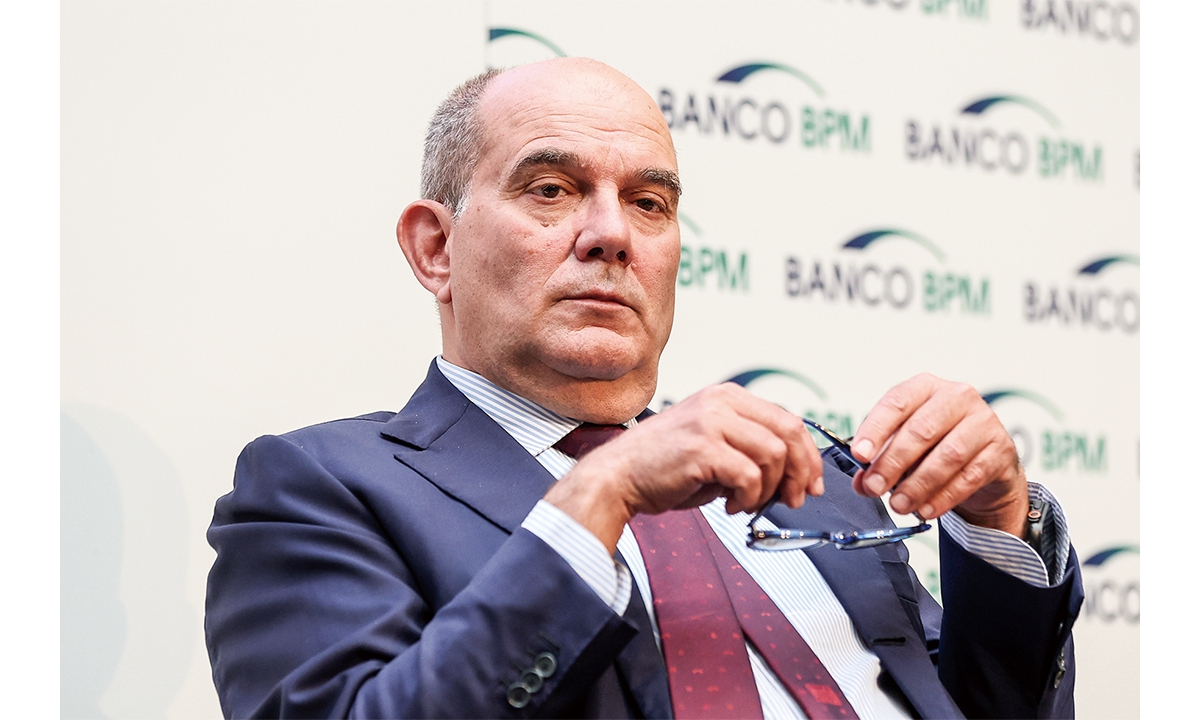
Enrico Carraro President of Carraro Group
Carraro China, founded in 2004 and based in Qingdao, East China's Shandong Province, represents one of the most structured examples of Italian roots in the Chinese agricultural mechanization supply chain. The Veneto-based company designs and produces axles, transmissions, and integrated systems for tractors, harvesters, and earth-moving machines, operating as a direct supplier to major Chinese and international manufacturers.The numbers illustrate the scale of local operations. By the end of 2025, Carraro China had 287 employees, up from 219 in 2015, and reported a revenue equivalent to 113.7 million euros ($126.66 million). According to Frost & Sullivan, in the same year, it ranked third in the Chinese market in transmissions for tractors with over 200 horsepower, while holding significant positions in components for construction machinery. Over the past five years, collaboration between Chinese research centers and the group has led to the launch of around 30 new products.
China is therefore not just a market outlet but a platform for design and production. This model could gain further financial visibility. In 2025, Carraro filed a prospectus with the Hong Kong Stock Exchange for the listing of its Chinese subsidiary, an operation that, once completed, will open a new chapter in enhancing the group's Asian activities.
Electrification challenge
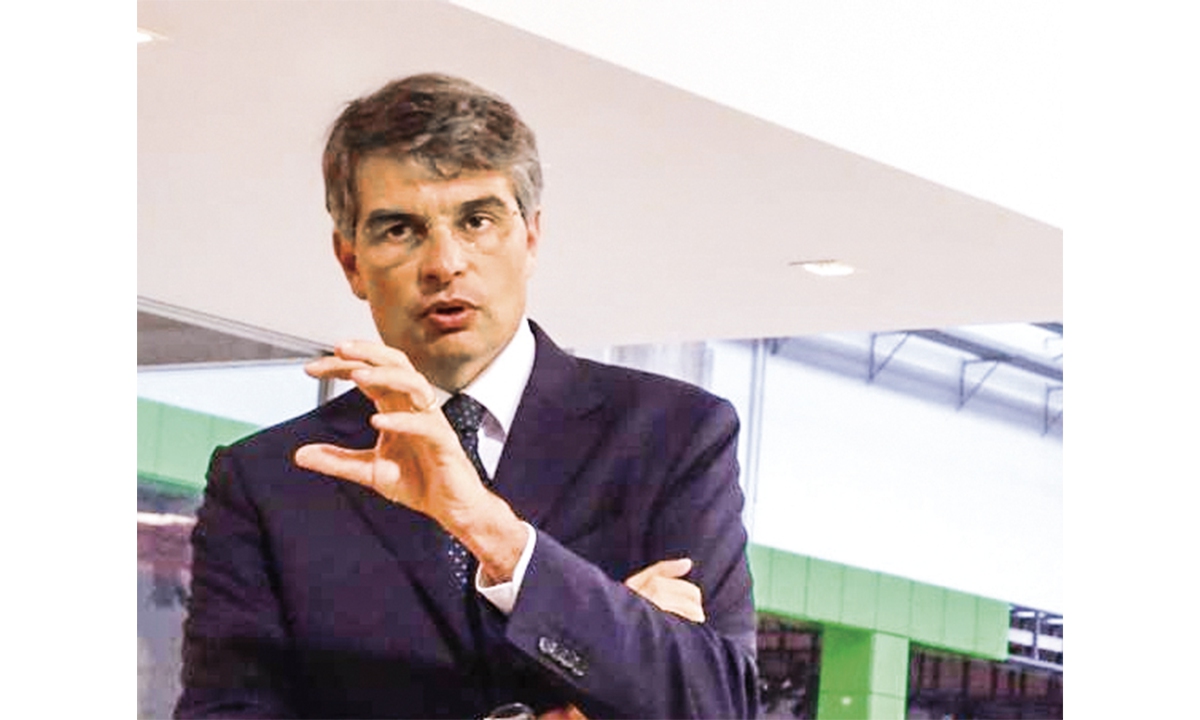
Lodovico Bussolati CEO of SDF Group
For SDF, China has also become a technological laboratory. The Treviglio-based group has a plant in Linshu, East China's Shandong Province. However, in January, it inaugurated a new competence center in Shanghai dedicated to the development of electric platforms. The goal is to integrate the skills of local technicians with those of European research centers, accelerating innovation in specialized tractors. "The inauguration of the new competence center in Shanghai represents a strategic investment for the future of SDF," explained CEO Lodovico Bussolati, emphasizing the importance of enhancing local skills and strengthening the development of electrification-related solutions.The choice of Shanghai responds to a specific industrial logic: to get closer to the Chinese ecosystem of batteries, power electronics, and electric mobility. This technological heritage can be transferred, with appropriate adaptations, to agricultural machinery as well. However, the path will not be uniform. Carraro highlights that high-power tractors require autonomy and energy capacities that current batteries cannot yet provide at economically sustainable costs. Therefore, initial applications may focus on specialized machines and activities with more predictable operational cycles, while the transition for large tractors will take longer.
Supporting the market is Beijing's industrial strategy. The national smart agriculture plan for 2024-28 aims for the degree of informatization in agricultural production to exceed 30 percent by the end of 2026 and reach over 32 percent by 2028. The program includes satellite-guided machines, precision irrigation, smart farming, artificial intelligence, and data management platforms. The new plan for the digital development of rural areas for 2026-30 published in September further strengthens this approach, prioritizing agricultural robots, sensors, algorithms, artificial intelligence, and high-precision machinery.
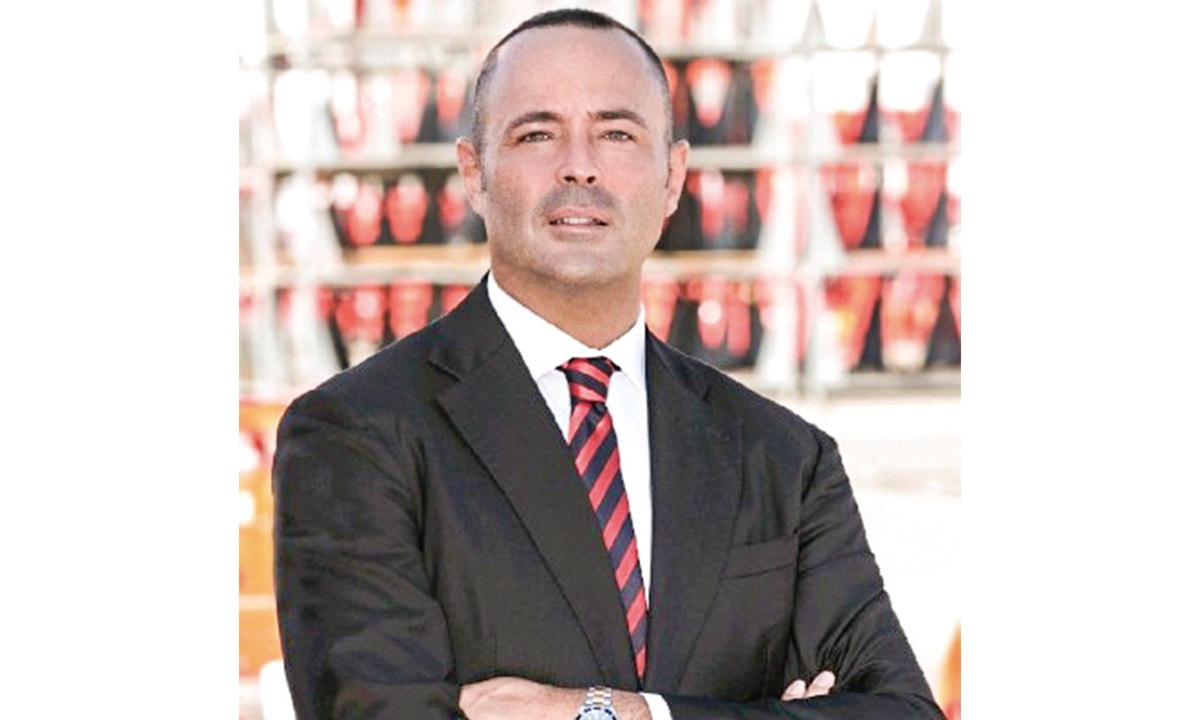
Mirco Maschio Chairman of Maschio Gaspardo Photos on this page: Courtesy of MF/Milano Finanza
For Italian companies, a market has opened for an opportunity that goes well beyond the sale of individual tractors. Maschio Gaspardo, for example, has a plant and a commercial branch in Qingdao, where it has been developing equipment for the local market since 2005. The Padua-based company produces seeders, tillers, and choppers in China, also destined for other markets, mostly in East Asia. Its experience demonstrates how localization can become a tool for adapting Italian technologies to the characteristics of Asian agriculture.A second direction concerns water. The need to increase agricultural yields while reducing water and energy consumption creates opportunities for Italian producers of advanced irrigation systems. Irritec, a Sicilian group specializing in micro-irrigation, has developed the Commander line, which allows remote control of irrigation and fertigation, also regulating pH and electrical conductivity. Farmfront, on the other hand, offers automated irrigation systems and digital platforms for managing installations. These technologies align with Chinese priorities, although currently only Farmfront exports to China through a network of local distributors.
Italy's presence in smart livestock farming is more direct. Officine Facco, a Padua-based company specializing in poultry systems, established Facco Technology Hebei in 2024, a joint venture based in Handan, North China's Hebei Province, controlled by the Italian company. The facility, announced with over 100 employees, produces turnkey systems for the Asian market, integrating Smart Farm technologies for remote control of livestock. This model allows monitoring of feeding, climate control, and operational conditions, increasing control over production processes.
In the dairy supply chain, InterPuls, an agricultural company from Albinea in the Reggio Emilia region and part of the international group milkrite | InterPuls, a dairy product manufacturer, also operates in Shanghai. Its technologies for milking and electronic milk measurement are part of the digitalization of large Chinese livestock farms.
Completing the landscape are companies like Faresin Industries and Sgariboldi, active in precision feeding for livestock, and entities specializing in greenhouse automation and agricultural sensors, including Idromeccanica Lucchini, an independent, family-managed Italian agricultural technology company, and Netsens, a developer of a wireless monitoring system designed for the agriculture, environment and transport sectors. For these companies, China represents a market to explore, without necessarily implying an already established commercial presence.
The experiences of Carraro and SDF indicate a possible evolution of the industrial model: not limiting themselves to exporting from Italy, but taking China as a technological and production platform while maintaining a close connection with European research. The game of Chinese smart agriculture, in short, will not be played solely on the quantity of tractors sold. It will increasingly focus on the value of the technology embedded in every machine, irrigation system, or livestock operation. And it is precisely in this highly specialized component that Made in Italy can seek new growth opportunities.
RELATED ARTICLES

