China moves to strengthen investor protection, financial opening-up in revised draft financial law

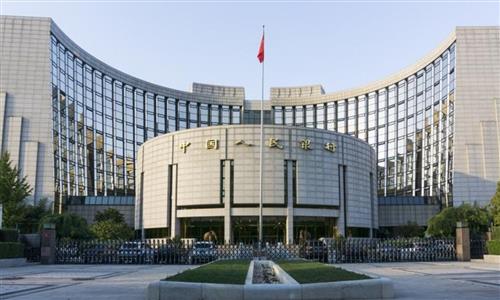
A distant view of Beijing's CBD on September 3, 2026 Photo: VCG
China has moved to strengthen financial consumer and investor protection and tighten oversight of online financial marketing, as a revised draft of the country's financial law was submitted for a second reading at a session of the national legislature on Monday. A Chinese expert said that the move marks another step toward improving China's financial regulatory framework.
The draft, submitted to the 25th session of the Standing Committee of the 14th National People's Congress (NPC), China's top legislature, includes new provisions requiring providers of financial products and services to establish fair and reasonable transaction terms. Under the proposed rules, these providers would be prohibited from using standard-form contracts to restrict consumers' and investors' rights, reduce or exempt themselves from liability, or impose unfair or unreasonable obligations on customers, the Xinhua News Agency reported.
The revised draft also strengthens customer suitability requirements, calling on financial product and service marketers to better understand their customers, accurately explain products and associated risks, and offer products and services appropriate to customers' circumstances.
In addition, it introduces targeted provisions for internet-based financial marketing, including a prohibition on online advertising or public solicitation for privately offered financial products and services.
The revisions to the draft financial law reflect China's efforts to develop a more systematic, law-based and refined financial regulatory framework, which will help regulate market practices, boost investor confidence and provide institutional safeguards for the long-term stability and healthy development of China's financial markets, Hu Qimu, a professor at the Maritime Silk Road Institute of Huaqiao University, told the Global Times on Monday.
Beyond investor protection, the revised draft also includes provisions on maintaining a market-oriented, law-based approach to financial development, advancing the development of international financial centers, and strengthening regulation of asset management and cross-border financial activities.
These provisions underscore China's efforts to balance financial security with further opening-up, Hu said.
"A more transparent, stable and predictable regulatory environment will help enhance the international attractiveness and competitiveness of China's financial markets, while providing stronger institutional support for high-standard financial opening-up and the high-quality development of the real economy," said the Chinese analyst.
The financial law is designed to serve as a foundational, comprehensive and overarching piece of legislation for China's financial sector, providing guidance and a framework for the country's broader financial legal system. The draft underwent its first reading at an NPC Standing Committee session in June.
During a public consultation period held from June 26 to July 25, the draft received 1,127 suggestions from 212 submissions through the NPC's official website, along with 14 letters from the public.
The legislative move comes as Chinese financial regulators continue efforts to strengthen capital market stability and improve the regulatory environment. At the 2026 Financial Street Forum in Beijing on October 19, China Securities Regulatory Commission Chairperson Wu Qing said that the regulator would closely monitor domestic and overseas market developments, strengthen risk assessments and policy tool reserves, and consolidate and improve mechanisms for maintaining market stability.
RELATED ARTICLES