Photo: VCG
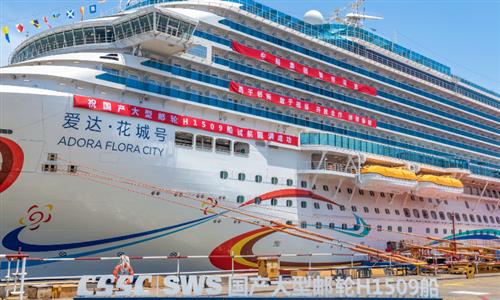
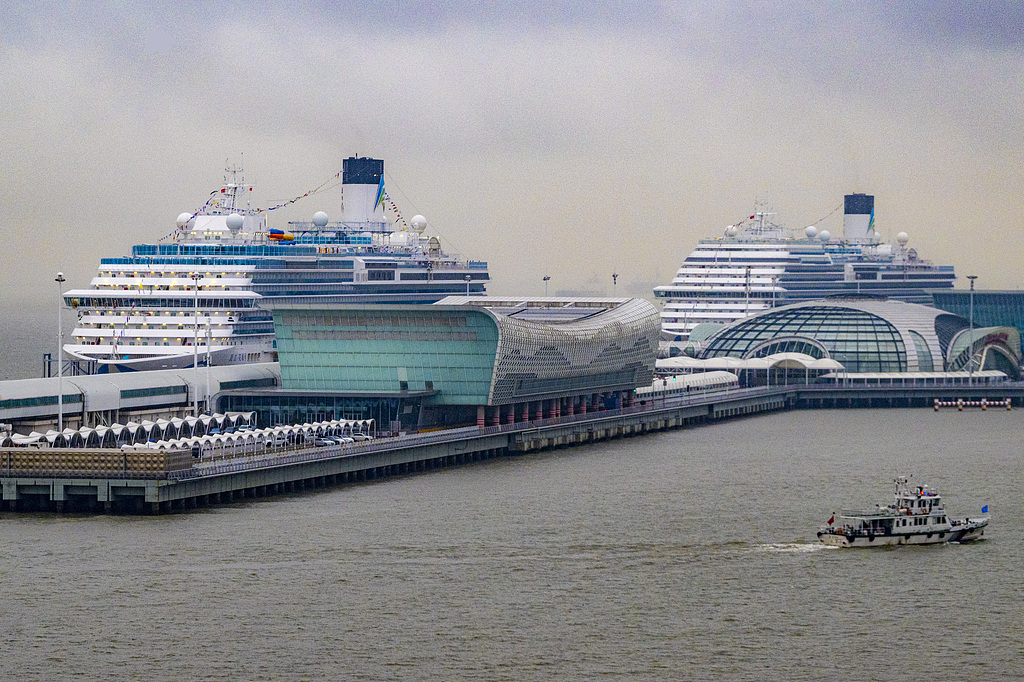
China's two domestically built large cruise ships were spotted berthing side by side at Wusongkou in Shanghai on Sunday, in what was reportedly their first such encounter. Adora Magic City, the country's first homegrown large cruise ship, was joined by the newly delivered Adora Flora City.
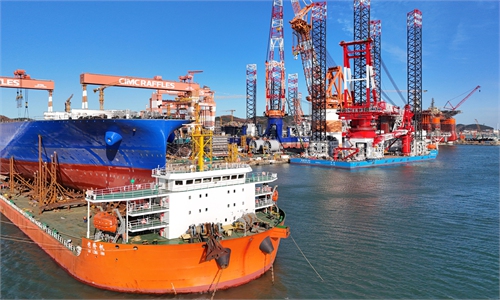
Large cruise ships are among the most complex engineering undertakings in the global industrial system. The sight of the two vessels side by side in Shanghai captures a turning point for China's shipbuilding industry, from the breakthrough of building the first large cruise ship to the capacity for serial production.
But for the international shipbuilding industry, there is more to this story.
The gathering at Wusongkou is only the beginning. Adora Flora City will begin its inaugural season on November 22. The ship is entering a market with growing consumer demand. China has become one of the fastest-growing cruise markets in Asia and in the world. According to an industry report, the country handled 1.265 million cruise passenger trips in the first 11 months of 2025, up 27.8 percent year-on-year.
China's advances in large cruise shipbuilding are set to intensify competition in the global shipbuilding industry. As Chinese shipyards continue to develop their technological capabilities, that competition is likely to become more pronounced. But that is only one side of the story. China's expanding cruise market is creating new commercial opportunities for international companies, even as Chinese shipbuilders become more competitive. China's progress in the industry is not only changing the competitive landscape but also expanding the market for the industry as a whole.
Shipbuilding is an extraordinarily complex industry, underpinned by an extensive network of suppliers and supporting businesses. Large cruise ships take that complexity to another level.
Adora Flora City, for instance, reportedly incorporates more than 25 million components, drawing on a network of 1,500 suppliers from China and abroad. These figures offer a glimpse of the commercial ecosystem surrounding China's shipbuilding industry, linking shipyards with suppliers and businesses across the wider value chain in an intricate web of commercial relationships.
Two developments are advancing China's shipbuilding industry: technological progress and the expanding consumer market. Both need to be seen in the context of the industry's extensive supply chain. As China's shipbuilding sector moves forward, so does the wider industrial ecosystem around it which will generate greater opportunities for Chinese and international companies alike.
The scale of the Chinese market offers international companies more than one way to participate in its growth. They can compete with Chinese shipbuilders, while also finding opportunities to cooperate by supplying technologies, specialized equipment and services. As the industry develops, the growing industrial network is creating more commercial opportunities that extend well beyond shipyards.
South Korea has maintained a strong position in high-value and high-tech shipbuilding, while Japan and some European countries retain strengths in specialized segments, including cruise ship construction. Such differences reflect the depth of expertise across the global shipbuilding industry.
China's rapid progress has led some international observers to focus on the competitive pressure the global industry faces. But that perspective risks obscuring a parallel development: the scope for cooperation across the industry's supply chain is expanding alongside China's own capabilities. The more Chinese shipbuilding industry grows, the greater the potential for international companies to participate in that growth.
That opportunity, however, will not be there for the taking. International suppliers will need to offer specialized equipment and advanced services that meet the increasingly sophisticated demands of Chinese shipbuilders and customers.
The two luxury cruisers together at Wusongkou offer a snapshot of China's rapid manufacturing progress. For international companies, this signals a wider field of cooperation and opportunities. To bag these opportunities will require a competitive edge in technology and expertise.
RELATED ARTICLES