Spokesperson reaffirms support for Taiwan firms as PC brands ASUS, Acer move some production back to mainland
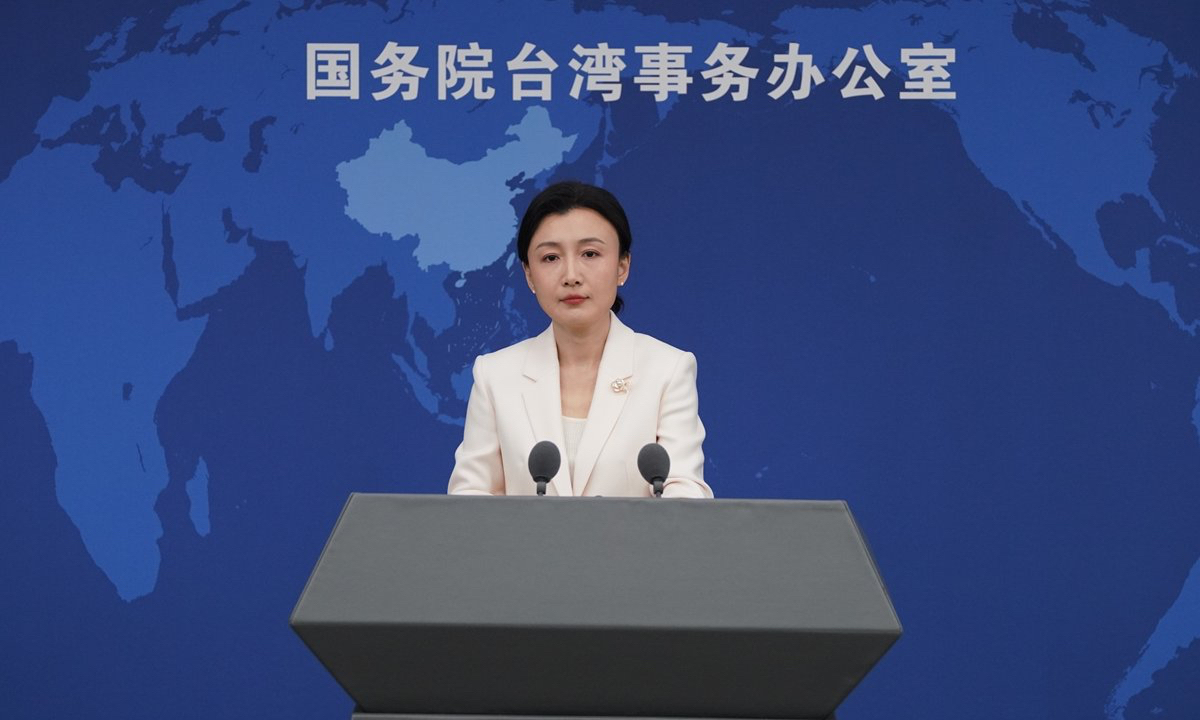
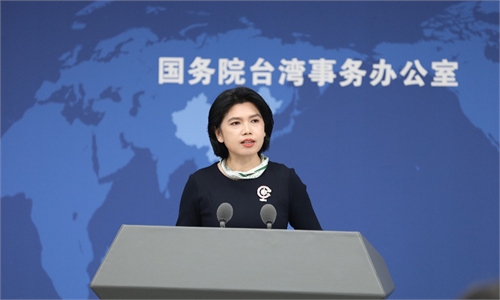
Taiwan Affairs Office spokesperson Zhang Han
When asked to comment on Taiwan PC brands ASUS and Acer's decision to move part of their production capacity from Thailand and Vietnam back to the Chinese mainland, Zhang Han, a spokesperson for the State Council Taiwan Affairs Office, said on Wednesday that the Chinese mainland has the most complete industrial system and a mature, well-developed support network for production, making it the best choice for Taiwan-funded manufacturers to invest and grow.Zhang emphasized that close and resilient cross-Straits industrial and supply chains are not only conducive to the development and growth of Taiwan enterprises and the well-being of compatriots on both sides of the Straits, but also to the security, stability and smooth functioning of global industrial chains. She added that the mainland will, as always, support businessmen and enterprises from Taiwan in seizing opportunities, investing and doing business on the mainland.
Both companies already have operations on the Chinese mainland. ASUS develops consumer electronics products through a subsidiary in Suzhou, East China's Jiangsu Province, while its Shanghai subsidiary handles the sales of those products, according to a company filing. Its mainland website also lists authorized online dealers on JD.com and Tmall.
Acer lists offices in Beijing and Shanghai on its mainland website. Its 2025 annual report identified its Chongqing subsidiary as a sales and marketing operation for Acer-branded information technology products, while its Shanghai subsidiary provides repair and after-sales services. Chongqing is also a major personal computer manufacturing hub, producing nearly 55 million notebook computers in 2025, according to the municipal statistics bureau.
The reported production shift comes as rising demand for artificial intelligence infrastructure squeezes supplies of memory and storage chips. Research firm TrendForce estimated that processors, memory and solid-state drives accounted for about 68 percent of the component cost of a mainstream notebook in the third quarter of 2026, up from 45 percent in the first quarter of 2025.
Global Times
RELATED ARTICLES