China’s ice and snow equipment industry to surpass 100b yuan in 2026
Winter consumption on the rise
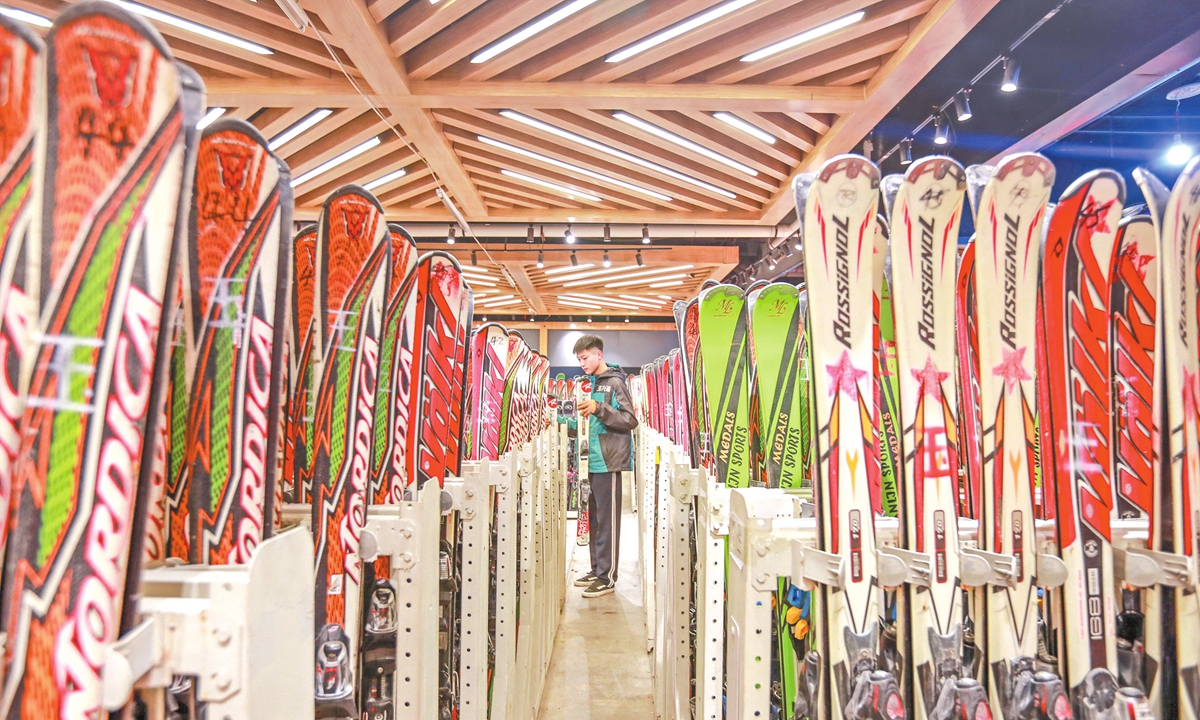
A staff member organizes ski equipment at Yulongwan ski resort in Tangshan, North China's Hebei Province, on November 23, 2026. Photo: VCG
At a recent gathering of university students, conversations turned to where to ski and what to wear on the slopes covered with snow. For Li Xiaoran, a 20-year-old skiing enthusiast, shopping for ski clothing has become more exciting this year. Previously, higher-quality ski outfits were available from foreign brands at prices of 2,000 to 3,000 yuan ($300- $450). She now finds a growing variety of Chinese brands offering fashionable, functional alternatives, often at half the price.
Li's changing shopping preferences offer a glimpse into the evolving landscape of China's winter sports market. As the 2026-2027 ski season gets underway, ski resorts across the country are seeing a surge in visitor numbers, fueling consumption in winter tourism, sports equipment, and creating new opportunities for domestic ice and snow equipment manufacturers.
China's ice and snow equipment industry is expected to surpass 100 billion yuan ($15 billion) in 2026, up from nearly 85 billion yuan ($12.8 billion) in 2025, when the country's overall ice and snow industry exceeded 1 trillion yuan ($150.1 billion), the CCTV News reported on Wednesday.
Citing data from multiple platforms, the CCTV News reported that searches containing skiing-related keywords surged 141 percent year-on-year from November 1 to 15, while orders for ski resort tickets in northern China placed by users in southern China increased by more than 40 percent.
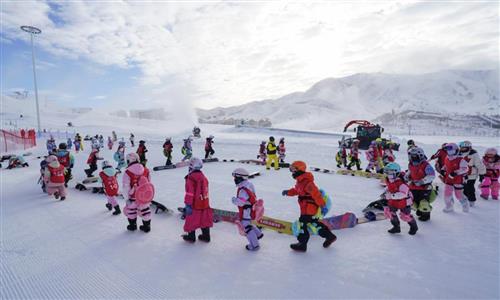
In Chongli district of Zhangjiakou, North China's Hebei Province, a host city of the Beijing 2022 Olympic Winter Games, multiple ski resorts have seen a surge in visitors since the beginning of November, with daily visitor numbers reaching 10,000 on weekends. Tourists from southern China, university students, and families with children have become major sources of visitors to local ski resorts, driving consumption in accommodation and catering services.
According to survey data released by the General Administration of Sport of China in 2022, 346 million people across the country participated in ice and snow events between Beijing's successful bid to host the Winter Olympics in 2015 and October 2021, fulfilling China's pledge made during its Olympic bid to engage 300 million people in winter sports.
Growing opportunities
According to the Research Report on the Mass Ice and Snow Consumption Market released by the Winter Sports Management Center of the General Administration of Sport of China, 308 million Chinese residents participated in ice and snow sports during the previous winter season, with related consumption reaching approximately 205 billion yuan ($30.8 billion), up about 9.3 percent year-on-year.
Jiang Yiyi, a professor at the School of Leisure Sports and Tourism at Beijing Sport University, told the Global Times that the legacy of the Beijing 2022 Winter Olympics has laid the foundation for the continued expansion of China's ice and snow industry.
The industry is shifting from seasonal operations toward year-round business and greater integration with other sectors, while consumer demand is evolving from one-off experiences toward a combination of sports, vacations and cultural activities, Jiang said.
As ski resorts across the country open for the season, sales of ski equipment are entering their peak, with many winter sports enthusiasts looking to purchase their gear.
A ski equipment specialty store in Beijing recorded a 20 percent year-on-year increase in sales, with equipment for intermediate and advanced skiers and snowboarders proving particularly popular. A store manager told the CCTV News that ski boots from imported brands cost around 4,000 yuan ($600), while domestic brands cost only 2,000 yuan ($300).
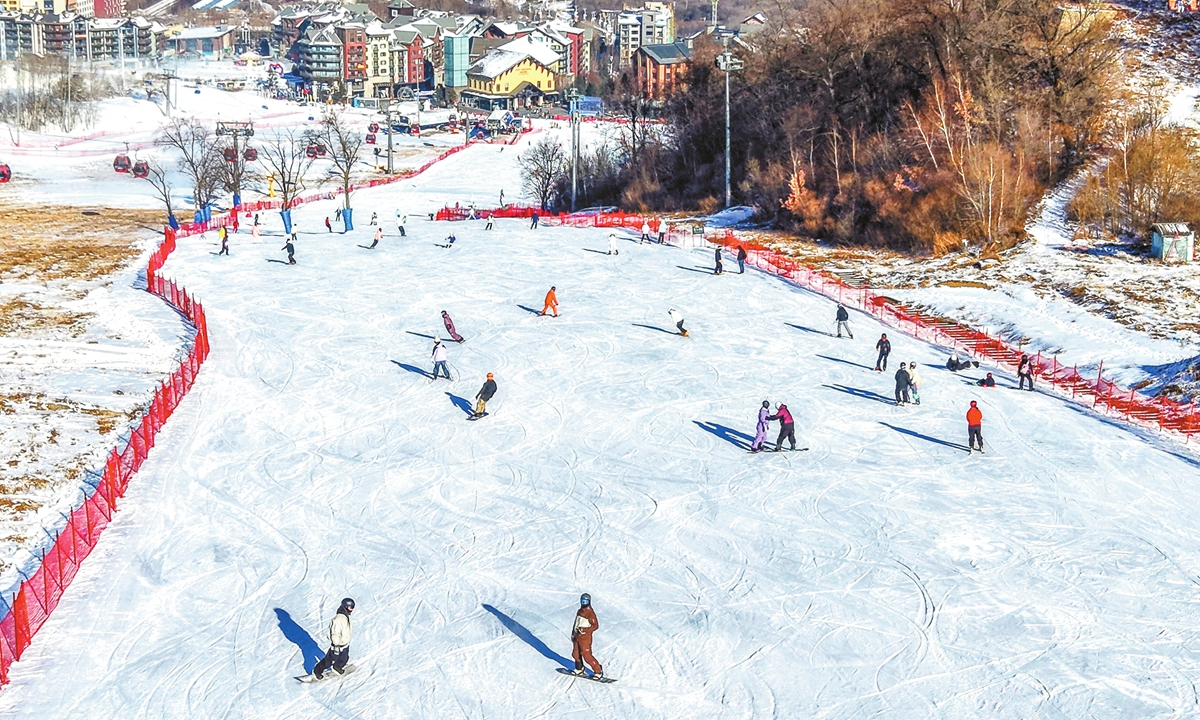
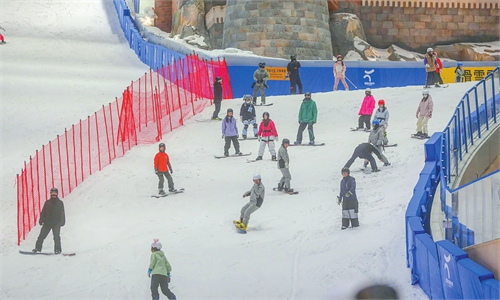
Tourists ski at Lake Songhua Resort in Jilin City, Northeast China's Jilin Province, on November 22, 2026. Photo: VCG
Interviews conducted by the Global Times with several ski equipment retailers found that foreign brands still account for the majority of sales at the stores surveyed, particularly in specialized equipment categories such as skis and snowboards.The owner of a multi-brand ski equipment store in Beijing's Ciqikou told the Global Times that customers were more likely to buy skis and snowboards from foreign brands. Although domestic products generally have a price advantage, the price gap between some entry-level products from foreign brands and their domestic counterparts is small.
A ski instructor in Chongli told the Global Times that some domestically produced ski equipment also performs well and offers better value, adding that beginners can choose equipment based on their individual budgets.
Jiang said that Chinese ice and snow equipment manufacturers have been shifting from contract manufacturing toward independent research and development. Consumer acceptance of domestic brands has risen, driven by better value and designs tailored to Asian consumers' physical characteristics and aesthetic preferences.
Homegrown sports gear
Beyond conventional equipment such as skis and ski boots, Chinese companies are exploring the integration of smart technology into winter sports gear. Shenzhen OHO Sunshine, a smart wearable device maker, has introduced a pair of smart ski goggles combining protective features with first-person video recording capabilities.
A company representative told the Global Times that the product was developed to address the practical needs of winter sports enthusiasts. In addition to conventional features such as eye protection, anti-fogging and ultraviolet protection, the goggles allow users to record footage from their own perspective while skiing without having to wear a separate action camera.
Beyond personal ski equipment, domestically produced ski resort infrastructure and equipment, including snowmaking machines and ski lifts, have also secured orders from both domestic and overseas markets.
In Xuanhua district of Zhangjiakou, a domestically developed, fully automated snowmaking machine can automatically determine the optimal time for snowmaking based on ambient temperature and humidity, according to the CCTV News.
The manufacturer's production schedule for the machine is booked through 2029, and the product has been exported to overseas markets including Russia. Local manufacturers have achieved independent development and mass production of ski lifts.
China has established an ice and snow equipment manufacturing system covering 15 major product categories, ranging from personal sports equipment to winter sports venue facilities. The country's first comprehensive national-level laboratory for ice and snow equipment is now capable of conducting 182 types of tests across 26 product categories, including impact resistance, penetration resistance and strap strength tests for ski helmets.
China's comprehensive manufacturing system and efficient supply chains enable domestic ice and snow equipment makers to respond quickly to market demand while controlling costs, Jiang said, adding that continued investment in materials, manufacturing technologies and brand building will be crucial for Chinese manufacturers to move beyond contract manufacturing and develop internationally competitive brands.
RELATED ARTICLES