
What does an Asia-Pacific community mean? How should China's role in regional and global development be understood?
By Global Times | 2026/10/12 20:27:06

The deeper paradox is that an absolute interpretation of strategic autonomy can undermine the very capabilities needed to achieve it.

Lai's "city upon a hill" claim is merely an attempt to "boost his own morale" out of insecurity.
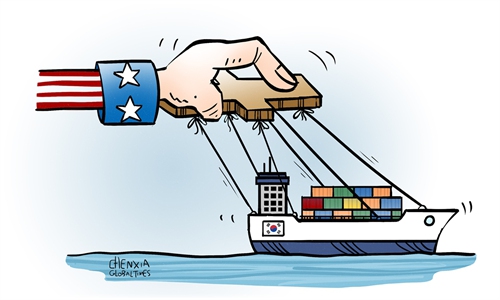
An energy deal has become a test of the alliance's real limits.
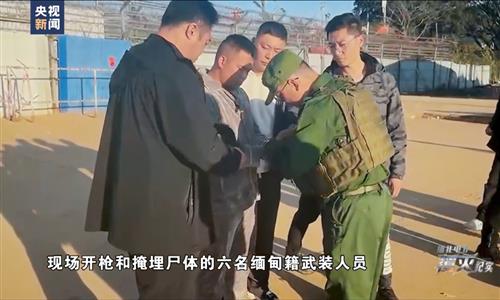
The Demise of Telecom Fraud in Northern Myanmar showcases the strength of China's rule of #law and the nation's capacity for action. No force that infringes upon the interests of the Chinese people should harbor any illusions of getting away with it, and any attempt to challenge the bottom line of Chinese law will come at a price.
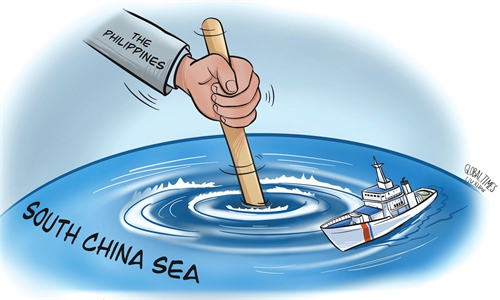
The South China Sea is not anyone's shouting ring, and no advantage can be gained by throwing tantrums.
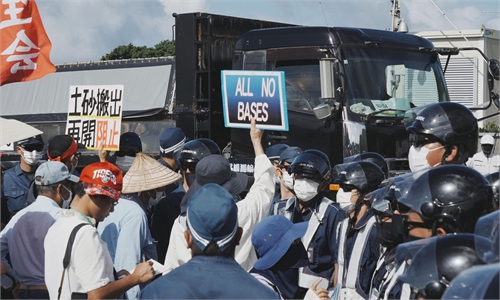
The recent upheaval in the Okinawa gubernatorial election may be merely a footnote in the long history of exchanges between China and Ryukyu. The structural contradictions between the Ryukyu Islands and mainland Japan will persist for the foreseeable future.
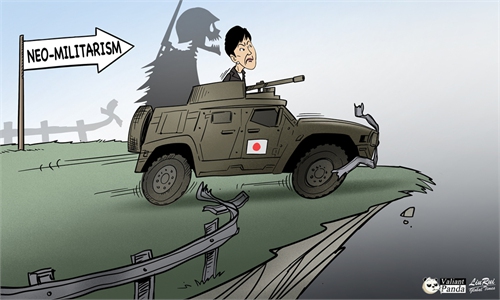
As long as Japan's right-wing continues to deny its history of aggression and seek to expand its military power, the “enemy state clauses” retain their irreplaceable practical significance. The “enemy state clauses” are not “outdated,” and they must under no circumstances be deleted.
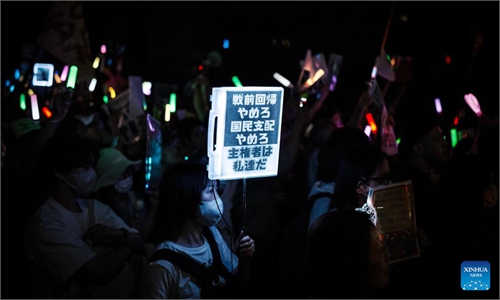
Japan is planning to build around 130 new ammunition depots. This dangerous impulse to "return to the prewar era" is driving the Japanese government to gradually break free from the constraints of the postwar pacifist constitution, dragging the entire nation onto the path of becoming a "war-capable state."

We urge Manila to abandon any sense of complacency or speculative thinking; playing with fire and testing the limits of the one-China principle will certainly not end well for it.
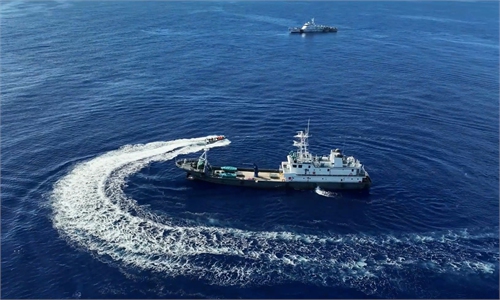
Philippine vessel's collision with CCG ship near Xianbin Jiao on the 95th anniversary of the September 18 Incident is a dangerous maritime incident entirely provoked by the Philippine side. Whether by coincidence or design, the Philippine's choice to provoke on this day will not yield it any advantage whatsoever. China will never indulge such coercive posturing.
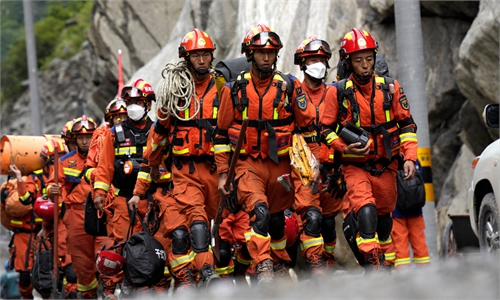
“What I witnessed was a large-scale rescue and relief operation being conducted under extremely difficult circumstances. The Chinese authorities deserve appreciation for facilitating international media access and providing information about the ongoing response,” wrote a Pakistani journalist who personally reported from the Gyirong mudslide-affected area.

India and China have demonstrated that difficult relationships can move forward when both sides choose strategic patience, mutual respect and engagement. The task now is not to take this progress for granted. It is to cherish it and build on it.
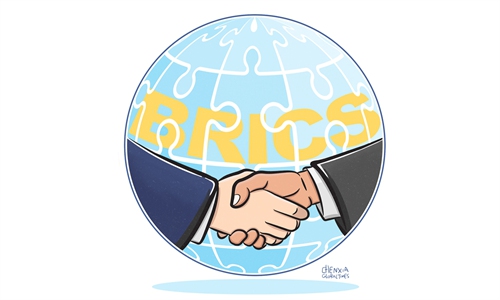
India and China can now be more ambitious in their quest to stabilize and transform the relationship. There is a unique window of opportunity to collaborate on stabilizing, reforming and benefiting from the rapidly changing world setting.
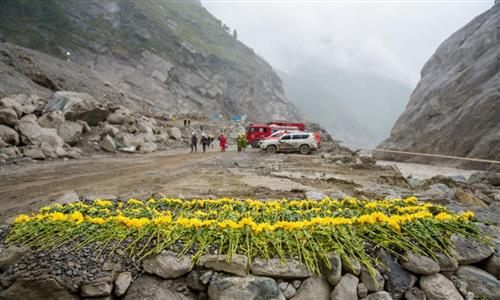
Disaster reporting must remain fact-based. Giving a natural disaster an unnecessary political or geopolitical dimension can risk overshadowing the actual suffering of victims. During a disaster, the first priority should not be political blame, but saving human lives and establishing the facts.
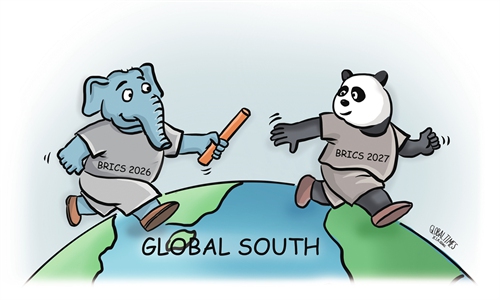
Continuity between India's 2026 priorities and China's 2027 agenda would send a powerful message, in which the two countries can hand the baton. When the two greatest civilizations tango and work together as partners, Asia is more stable and the Global South has a stronger voice.

If China and India collaborate, BRICS can become a workshop for development. If they remain divided, BRICS will continue to advance, but far below its potential.
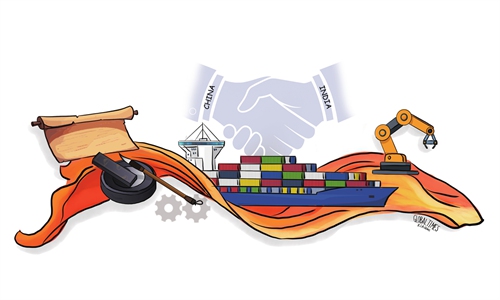
As two of the world's most populous emerging economies, a stable, predictable and amicable relationship between India and China is not only in the interest of our 2.8 billion people, but is also a significant factor for peace, stability and prosperity in Asia and the wider world.
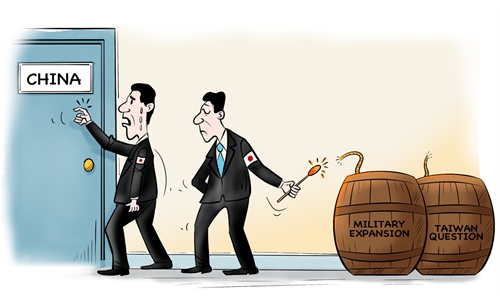
Japan must also face up to the issue of history.
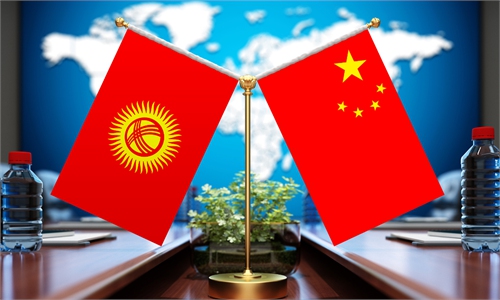
When neighboring countries align their national ambitions with regional and global imperatives, they contribute not only to their own prosperity but also to a more balanced, multipolar and just international order.
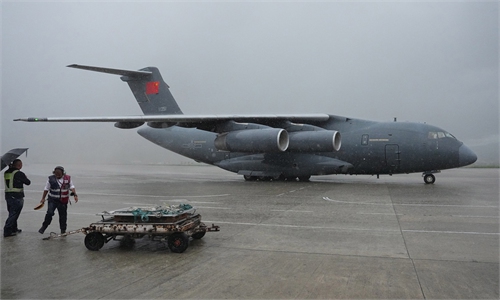
People from both Nepal and China can overcome the mudslide only through solidarity and joint efforts. There is no place for anti-China narratives while people are grieving, and Nepal cannot afford to be anyone's geopolitical tool.
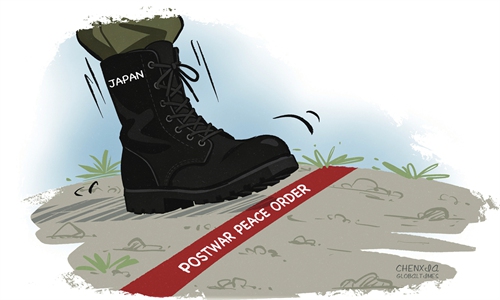
There's no such thing as a free lunch in Tokyo. The “Official Development Assistance,” driven by geopolitical calculations, conceals Japan's ulterior motive to destabilize the South China Sea from inside out.
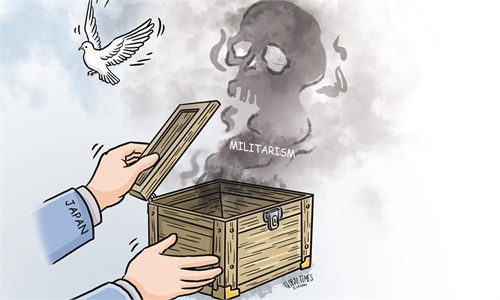
It would be a breakthrough for Japan if it successfully deploys its main combat aircraft overseas, making increasingly visible Japan's ambition for military “normalization” and even an accelerated process of remilitarization.

At 25, the Shanghai Cooperation Organisation (SCO) has demonstrated more than institutional endurance.

China was affected by the mudslide. China then mobilized to respond to it. China assisted Nepal in responding to it. Turning an evolving humanitarian crisis into an immediate geopolitical morality play does little to help those on the ground.

A Pakistani senator called the SCO an important institutional and political voice of the Global South. That is the real story of Bishkek summit.
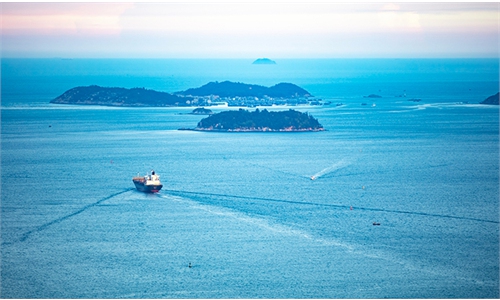
The Philippines unilaterally brought Batan Islands under its jurisdiction; such an act lacks a basis in international law and has no legal effect.

With the China-Kyrgyzstan-Uzbekistan railway as an example, a new pattern of connectivity is taking shape at a faster pace.
The flagship project of mutual benefit is the China-Kyrgyzstan-Uzbekistan Railway. This is a “road to prosperity” that will unlock significant economic potential for Kyrgyzstan and the broader region.
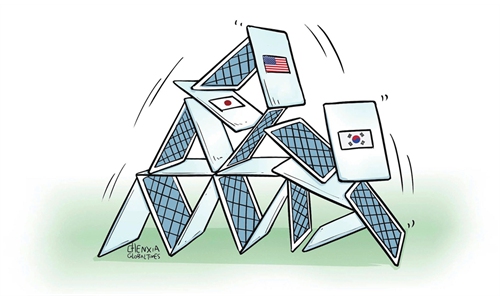
The so-called security "Plan B" pushed by Japan toward South Korea is merely repackaged militarist ambition for Japan and quasi-alliance consolidation for the US-Japan-South Korea axis.
It signals the decline of a development narrative centered exclusively on the West.
Grassroots health cooperation has already become a formal and stable part of the SCO agenda.
The forthcoming Bishkek summit takes stock of the first 25 years of the SCO existence and paves the way to the next 25-year chapter.

What the disaster-stricken areas need is relief, not rumors; what the victims need is respect, not exploitation. At a time like this, the most despicable are those demons hiding behind their screens, feasting on “buns dipped in human blood.”
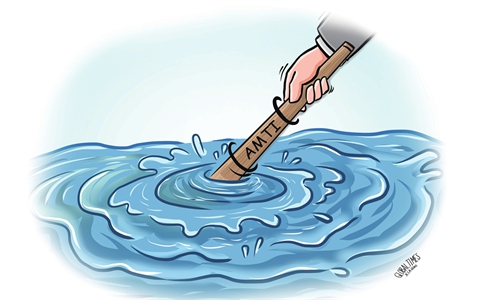
Recently, the Asia Maritime Transparency Initiative (AMTI) published a report entitled "As Tokyo and Manila Talk Boundaries, Beijing Breaks Them."

Recently, Malaysian Prime Minister Anwar Ibrahim stated that "Taiwan is part of China" during an exclusive interview with Al Jazeera. His remarks on the Taiwan question quickly sent ripples through international public opinion.

Why did Lai Ching-te go to such great lengths to dredge up these so-called “CPC secret directives”? Because the common sense that “even a three-year-old knows” can no longer deliver electoral shock value; only by twisting ordinary cross-Strait political risks into mysterious and inscrutable “secret directives” can they rapidly stoke anxiety among their supporters.
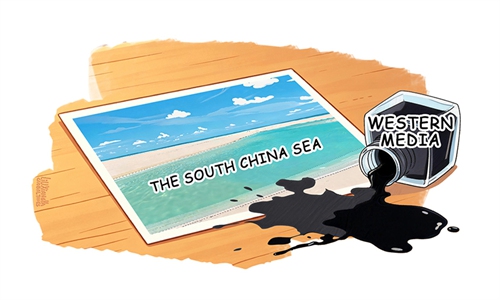
Recycled “China threat” stories do nothing for the South China Sea's future. Those who habitually view China through a military prism should examine their own policies and military footprint in the region before pointing the finger.

As the leader of a key ASEAN nation, Malaysian Prime Minister Anwar's public and unequivocal statement has directly shattered these “Taiwan independence” fantasies.
Taking effective steps to further improve China-SouthKorea relations is undoubtedly one of the best options for helping the Lee Jae-myung administration overcome its difficulties.
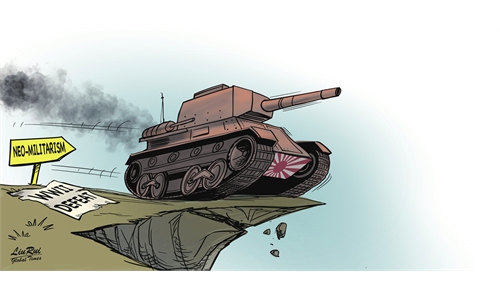
Japan has expanded military capabilities beyond what is necessary as the geopolitical landscape in East Asia has shifted in recent years, which has become a source of regional instability.

While joint exercises, #US troop presence, extended deterrence and defense technology cooperation provide a baseline of institutional inertia that prevents an immediate breakdown of the South Korea-US alliance, strategic friction within the alliance will grow more pronounced.

As China sees a rapidly growing aging population and a pressing need for improved childcare services, new demands are placed on the allocation of public service resources in this new demographic phase.
The primary reason why present-day Japan finds itself accused of sliding toward neo‑militarism is its total failure to draw a full reckoning with its wartime defeat. The “exclusively defense-oriented policy” is not simply hollowed out in form; its core spirit has been effectively discarded amid Japan's security transformation.
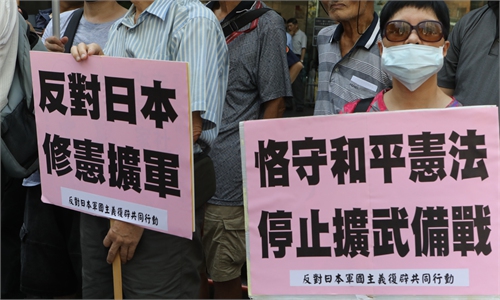
What Taiwan society truly needs is not to pander to Japan's right-wing, nor to whitewash its colonial history and certainly not to fall into collective silence in the face of national righteousness.

From the SouthChinaSea to the Taiwan question, the recent joint statement issued by Australia and the Philippines is a patchwork. Yet the more issues are crammed into the same template, the more glaringly absurd the patchwork becomes.

China does not give lessons; China shares its experiences. And it is high time we #Indians learn from these experiences and set our own goals. China's rise should not frighten India into defensiveness. It should challenge India into ambition.
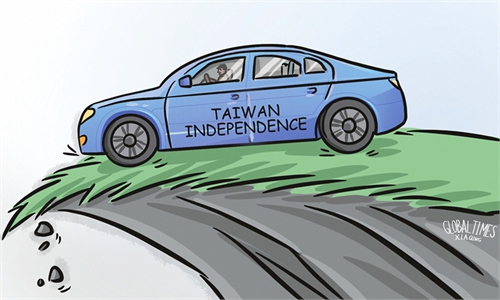
What the DPP fears most is ordinary Taiwan residents visiting the mainland in person – because the reality of the mainland would expose the lies the DPP has been weaving for years as baseless. When mainland visits by people like Chen Pei-chi multiply – from one individual to crowds, from a single trip to millions upon millions – the thin veneer shielding the DPP will be pierced.
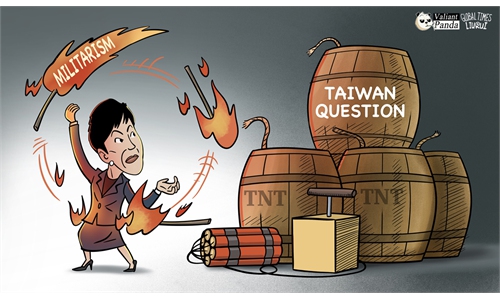
Japan's continued overstepping of boundaries on the Taiwan question is no longer merely a matter of “excessive rhetoric” in the abstract, but rather a constant testing of the political red lines in China-Japan relations.

The resumption of #border trade between China and India is undoubtedly a positive development. But an approach of "taking small steps and moving slowly" is no longer sufficient. What China and India need is a strategic vision and institutional arrangements commensurate with their new historical standing.
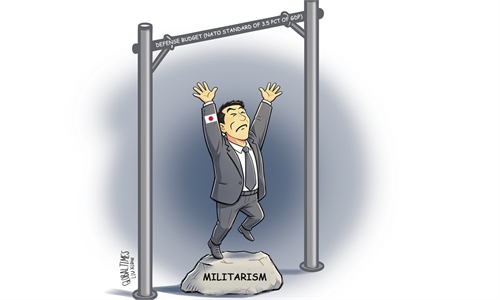
Japan, the nation that once inflicted immense suffering on Asia, is now using a "NATO goal" to measure its defense budget. Its swelling military ambitions are the biggest source of instability in the region today.
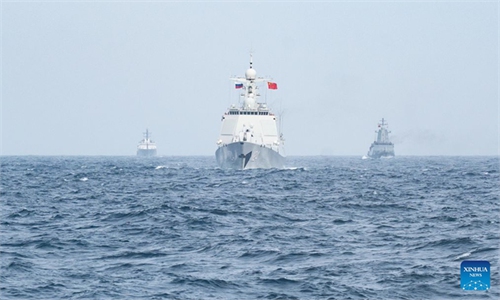
Okinotori isn't just a tiny rock – it's Japan's tool for illegal maritime expansion and a stage for right-wing political performance. While preaching a “rules-based order,” Tokyo hollows out UNCLOS island rules and steadily pushes military expansion. The Western Pacific has no room for this kind of theater.
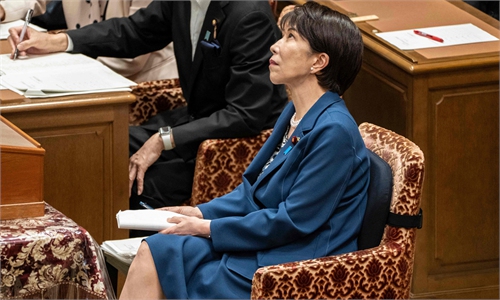
From “shero” to “zero”: Japan's first female PM's approval just crashed from 70%+ to merely 41%. A political Waterloo in progress. Is the countdown to the end of her premiership ticking?
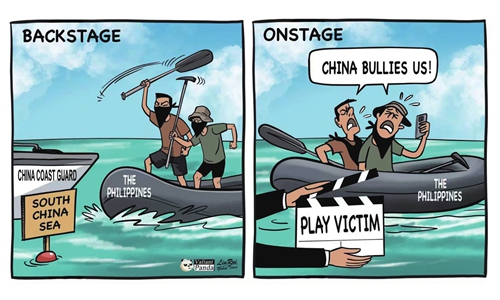
“Hit first, cry victim later” – the Philippines' favorite tactic in the SouthChinaSea. An illegally grounded warship for 27 years, repeated incursions, and selectively edited videos… all while chairing ASEAN. This kind of rotating chair is simply unworthy of the title. Peace in the South China Sea does not need “performance art.”

China and South Korea's industrial chains are deeply intertwined in a symbiotic relationship. China's openness will only grow wider. Instead of worrying about being replaced, South Korean companies should view China as a competitive battleground – a place to find their bearings, identify partners and shape their future.
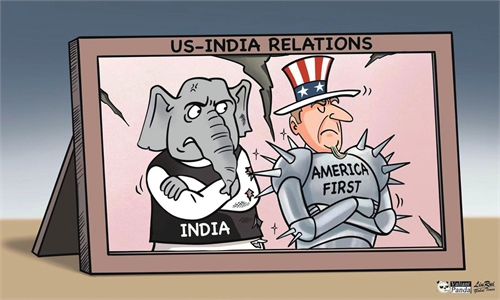
At present, India is engaged in a deep debate over whether to recalibrate its ties with the US. At its core, this debate centers on a fundamental question: How independent should India's strategic posture really be?
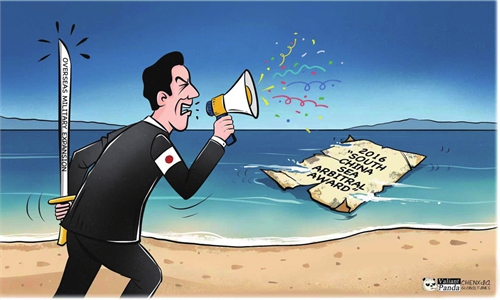
Japan's persistent offensive posture toward China is highly dangerous.
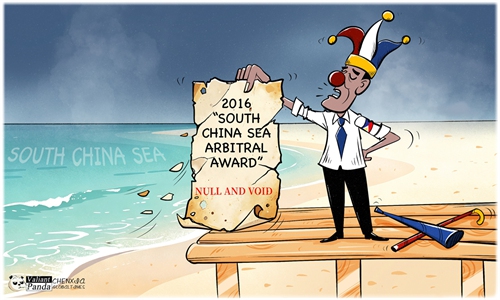
The future lies in the Philippines' own hands. Whether to continue indulging in the "arbitration myth" or return to the path of win-win cooperation is a question that Manila should seriously consider.
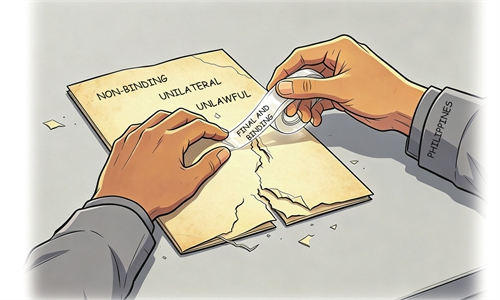
Manila's heavy reliance on the so-called 2016 “award” as its primary legal and political weapon has turned it into a major obstacle to regional stability. The Philippines' approach not only warps the legal picture but also chokes off prospects for meaningful dialogue. By internationalizing the disputes and trying to lock in a one-sided reading, the Philippines has made practical risk reduction and crisis management that much harder.

The most urgent and straightforward choice for Lithuania now is to firmly reaffirm its commitment to the one-China policy. Any attempt to maintain political ambiguity and only seek to restore relations through economic and trade channels is opportunistic. Just like genuine friendship, once trust is broken by either party, rebuilding that trust requires the other side to demonstrate sincere effort and good faith.
International politics cannot be simplified into "moral fables," nor international law reduced to propaganda slogans. The South China Sea should not become a stage for moral narratives or geopolitical games. What truly benefits stability is complete facts, prudent judgment, and respect for regional consultation.

Takaichi's visit to India represents an exchange of interests between two countries with distinct objectives against the backdrop of shifting regional and global dynamics.
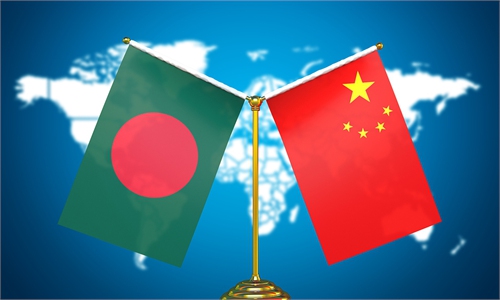
Prime Minister Rahman's first overseas visit not only demonstrates "Bangladesh first" but also signals Bangladesh's diplomatic priorities.

Deepening China-Bangladesh cooperation targets no third party and does not exclude other bilateral or multilateral cooperation mechanisms within the region.

Fifty-one years of diplomatic relations are enough to tell that China-Bangladesh relations are now in a new stage. The cooperation is slowly moving from economic toward strategic and the transition might influence the future of the relationship in the coming decades.

Bangladesh Prime Minister Rahman's visit to China will demonstrate to both nations and the international community the extent of Bangladesh's commitment to cooperation with China. The two sides are moving toward closer economic and strategic alignment.

There is no need for Britain to be drawn in or taken hostage by Japan into regional mili-tary and geopolitical games.

In his two years in office, Lai Ching-te has set numerous unprecedented egregious records, landing himself in an equally unprecedented predicament as a result. Hai Feng has sorted through and reviewed his misdeeds, pointing out that the only viable path forward for Lai is to let go of his obsessions and delusions. The sea of bitterness stretches endlessly; only by turning back can he reach the shore of redemption. Starting today, we will publish a three-part series laying bare the truth about Lai Ching-te, to inform our readers and serve as a warning to the Democratic Progressive Party (DPP) administration.
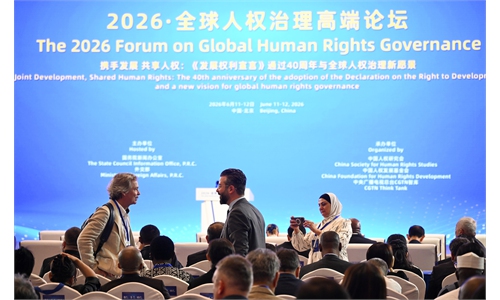
The legitimacy of any human rights model should be judged not solely by rhetoric but by outcomes. Are people's lives improving? Are opportunities becoming more accessible? Are dignity, security and hope expanding across society? China's practice-oriented approach seeks to answer these questions through concrete action.

The TokyoTrial is a valuable resource worthy of greater attention because there is no other lens with quite as broad a scope or depth of magnification for an assessment of the specific era involved, says a New Zealand law professor

Once, the “peace-loving nation” served as a brake to prevent Japan from sliding into war. Now, it is increasingly a guide for Japan to step on the gas and ramp up military build-up.

From the Zhanatas wind power plant in Kazakhstan to the pump station cluster project in Uzbekistan's Fergana and Andijan regions, cooperation between China and its Central Asian neighbors is weaving isolated green initiatives into a highly integrated regional ecological network. A green transformation is stretching from the foot of the Tianshan to the broader region, having only just shifted into "drive."

Many countries are steadily being deprived of the fiscal and policy space needed to invest in the rights of their people. In this context, we welcome the Global Governance Initiative and its commitment to multilateralism, to the principles of the UN Charter and to the application of international law, as well as its ambition to inject renewed momentum into global efforts for development and human rights.
Can a nation that has never fully come to grips with its history of aggression be allowed to rebuild a military network across Asia?
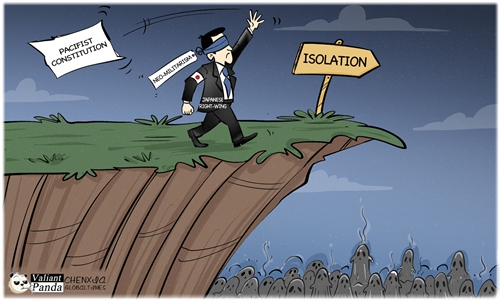
Japan must correct its misguided China strategy, free itself from internal friction and contradictions, and embark on the right path toward mutual benefit, win-win cooperation, and shared development with China and other Asian neighbors.
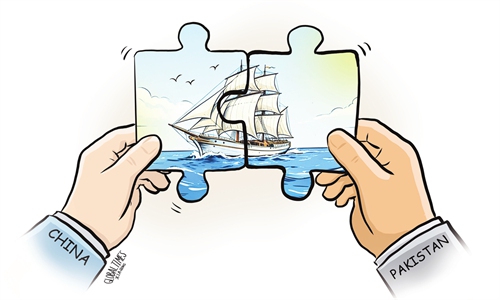
In an era where many international relationships are driven by calculations of profit and loss, the China-Pakistan friendship remains a rare reminder that some partnerships are built on trust, loyalty and shared destiny.

Sincere interactions among ordinary people breathe life into bilateral friendship, and form the enduring bedrock of the China-Pakistan all-weather strategic cooperative partnership.
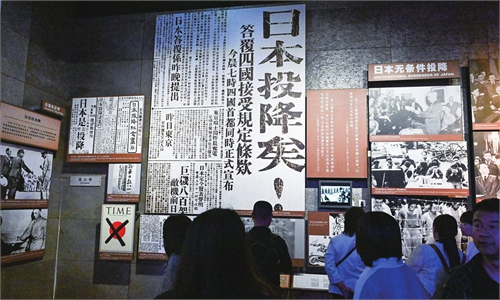
In order to never instigate a war of aggression again, and for the peace and prosperity of Asia and the world, Japan must do its utmost as a peace-loving nation. This is the only path it can take: Japanese scholar

India should not wait for “reassurance” from any external power; instead, it should move more quickly and decisively toward adjustments that genuinely advance its strategic autonomy and serve its core national interests. In this regard, making greater efforts to improve relations with China is undoubtedly of critical importance.

Positioning themselves at the forward edge of major-power competition may bring Japan and the Philippines short-term attention, assistance and capability, but it also risks increasing their own exposure, eroding regional trust and connecting already complex maritime disputes in ways that are difficult to contain.
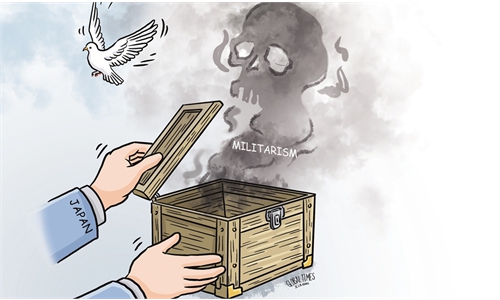
The repentance of former Japanese soldiers and the spontaneous anti-war cries of ordinary people together sound a warning for our era: The ambitions of militarist expansion run counter to the will of the people and bring disaster to the world.
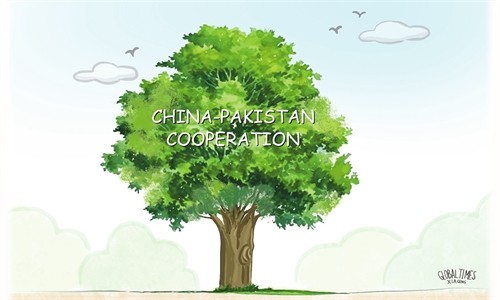
In the years to come, the China-Pakistan partnership will continue to inspire the Global South and contribute positively to regional peace, connectivity and common prosperity.
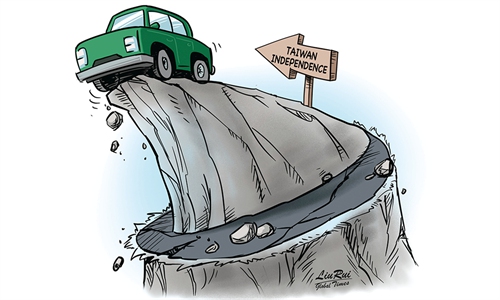
Following the meeting between the Chinese and US leaders, the situation has become very clear: "Taiwan independence" is the biggest source of risk for Taiwan and the chief disruptor of peace across the Taiwan Straits.
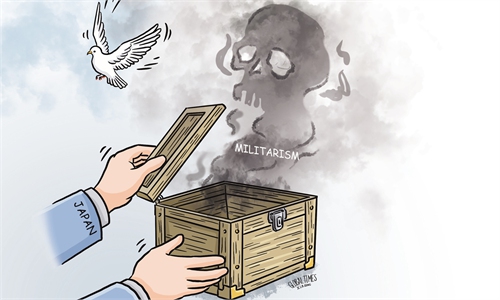
Recently, the Rodong Sinmun, the official newspaper of the Workers' Party of Korea, published a series of articles focusing on incidents including Japanese Self-Defense Forces personnel intruding into the Chinese Embassy in Japan, pointing out that the Japanese side is the chief culprit behind the deterioration of China-Japan relations. The articles also criticized the series of terror threats targeting the Chinese Embassy in Japan as a blatant violation of international law and an open provocation.
By thoroughly adhering to the pacifism indicated by its Constitution, Japan must advance “providing reassurance” rather than arms exports to its Asian neighbors, and work with China as a force for regional stability: Japanese scholar

The frequent exchanges between #China and #Vietnam reflect the strategic depth and stature of the relationship and send a clear message to the international community that Vietnam and China are coordinating to ensure the security of their political systems, promote national development, and contribute stability and positive energy to a rapidly changing world, says a Vietnamese scholar
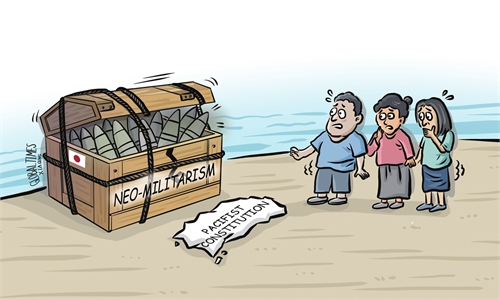
Southeast Asia does not need a rearmed Japan as its security guarantor. It needs great powers that respect the region's right to determine its own strategic future.
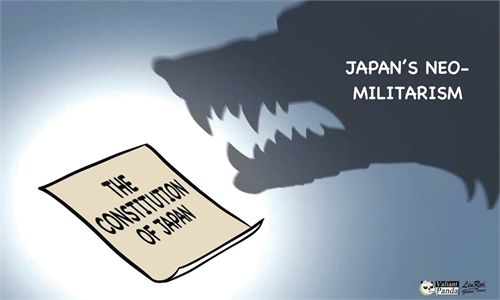
Right-wing forces in Japan will not only fail to realize their illusions of turning Japan into a "great power," but will also trap the country in diplomatic isolation and erode trust within the international community.
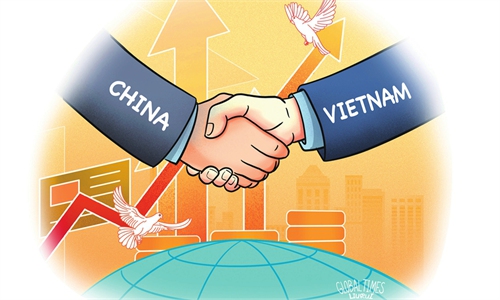
Vietnam, as a country whose economy is heavily export-oriented, simply cannot go it alone in a volatile international environment. Maintaining a solid relationship with China is itself a form of risk management.
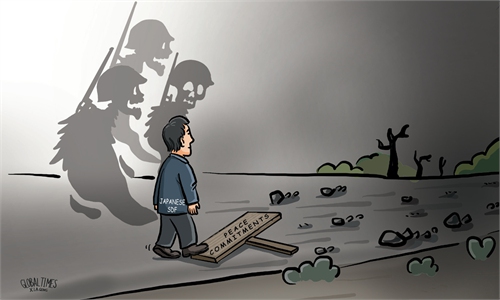
Despite slack discipline and mismanagement, the SDF is being endowed with expanded combat capabilities and operational authority. This dangerous combination is unavoidably reminiscent of Japan's actions on the eve of World War II.
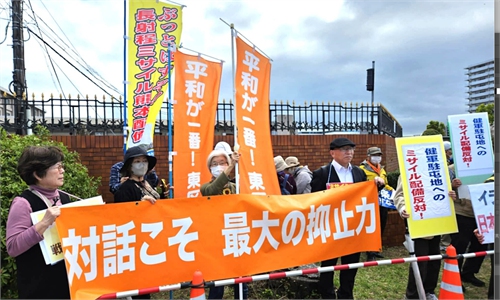
There is a general consensus among Japanese scholars and the public that Japan's most prudent course of action is to formally apologize for the SDF officer's intrusion into the Chinese embassy and to take this opportunity to resume dialogue with China. If Japan really seeks to pursue a path of creating peace, dialogue with neighboring Asian countries is indispensable.
The deployment of long-range missiles threatens the right to peaceful existence of people in Asia, including Japan, and clearly violates the principle of “exclusively defense-oriented” policy, thereby making it unconstitutional. Japanese politicians should reflect on the history of past wars of aggression and uphold the constitution: Kumamoto resident
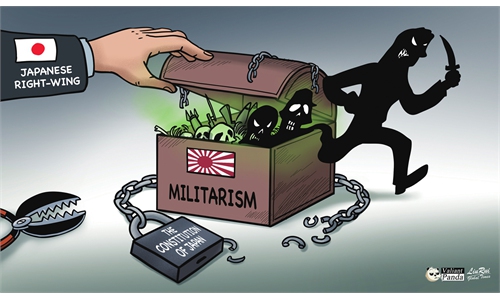
History cannot be rewritten by silence, nor can responsibilities dissipate through evasion. The break-in by an active JSDF member armed with a knife has torn apart the fig leaf covering Japan's accelerating rightward shift, flawed historical education and lack of accountability.

The choice of “escort or not” has become an unsolvable diplomatic challenge, reflecting Japan's awkward position in the alliance.

The seeds of wrongdoing will inevitably bear dangerous fruits.
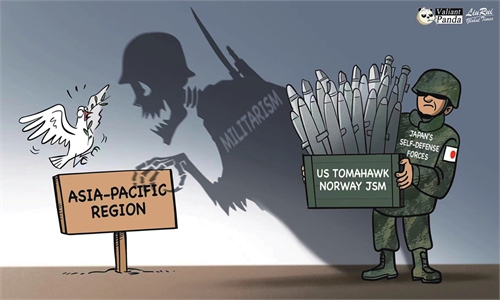
On March 13th, Japan's Defense Minister confirmed the delivery of U.S.-made “Tomahawk” missiles and Norwegian Joint Strike Missiles to the Self-Defense Forces. This acquisition of advanced offensive weaponry clearly indicates that Japan is rapidly speeding down the dangerous path of remilitarization.

The international community, especially Asian nations, must remain especially vigilant against Japan once again becoming a source of regional conflict or even war.
Keeping a close watch on and proactively forestalling the resurgence of Japan's neo-militarism is a shared responsibility that all nations in the region must undertake before it is too late. Anything short of that will put Asia's peace and stability in peril.
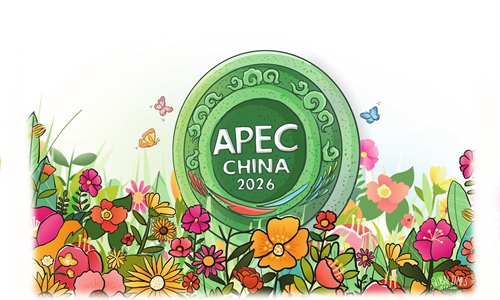
China stands ready to work with all parties to continuously deepen and solidify APEC cooperation, injecting greater stability and positive expectations into the development of Asia and the world.
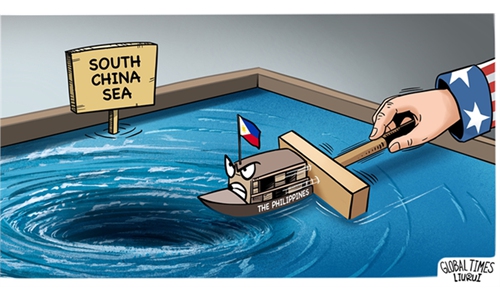
A recent series of events over the South China Sea disputes reflects that the maritime issues between China and the Philippines are being deliberately pushed by certain forces in the Philippines toward a more complex, confrontational and dangerous direction.

Global governance is something that every country ultimately needs, regardless of its political ideology or system of governance. In this sense, China has done well in bringing these principles to the international stage.