Time to tame China’s unruly P2P lending industry
Tougher regulation likely awaits as officials take interest in online platforms
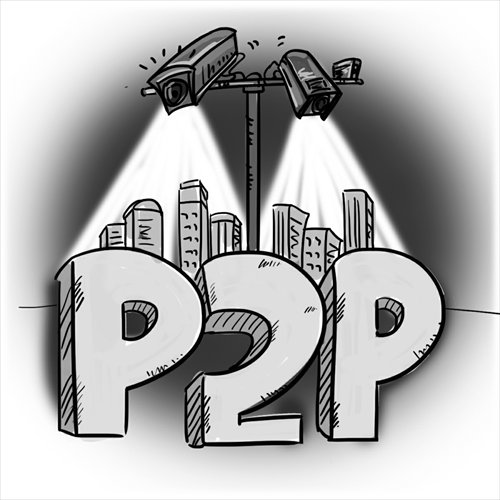
Illustration: Chen Xia/GT
China's lightly regulated peer-to-peer (P2P) loan market continues to hit new growth milestones. Unfortunately, this rise has been paralleled by a proliferation of scandals, fraud cases and allegations of abuse.
According to information compiled by wangdaizhijia.com, a P2P industry portal, some 1,700 online P2P platforms have been set up in China over the years, lending an estimated 240 billion yuan ($32.9 billion) since records first became available. During the first six months of 2014, some 189,000 P2P borrowers received approximately 81.8 billion yuan from 443,600 lenders at an average interest rate of 20.17 percent, data from wangdaizhijia.com show.
Many have noted an upsurge in new P2P lending platforms since Yu'ebao exploded onto the consumer financial landscape last year. It has also been argued that the P2P industry could add further impetus to China's push toward a market-led interest rate environment.
A recent Chinese media report citing official sources suggests that P2P lenders may soon find themselves under the supervision of the China Banking Regulatory Commission (CBRC). A proposal along these lines has reportedly been submitted to the State Council for further review, signaling official interest in reining in the chaos that prevails on P2P platforms. Indeed, tougher supervision could benefit not only lenders, but also the financial market as a whole.
At present, the P2P market represents the Wild West of China's financial sector. Industry figures show that an average of two new P2P platforms hit the Chinese Internet every day, although many of these quickly fade away. Records indicate that at least 256 such platforms have encountered financial setbacks of one form or another over recent years. While many of the bumps have been minor, in some cases platforms have shut down completely, leaving lenders with nothing.
To date, authorities have perhaps been reluctant to crack the whip on P2P platforms since they open an important alternative financing channel for small and medium-sized enterprises (SMEs). There are said to be more than 10 million SMEs in China, which together account for about 60 percent of GDP. These same businesses are typically shunned by banks when they apply for credit. Indeed, loans to such enterprises account for only 16 percent of the loan assets of Chinese banks, according to figures released earlier this year by Southwestern University of Finance and Economics.
Of course, China's burgeoning crop of P2P lenders hasn't gone completely overlooked by the CBRC. Speaking at a forum last month, an official from the commission also touched upon the possibility of more stringent oversight for the industry. At that time, the CBRC representative pointed out that online financing platforms, including P2P lenders, involve many of the same risks for investors as traditional high-leverage vehicles, including the possibility of insolvency. This focus on similarities means authorities might eventually decide that it makes sense to apply the same rules and standards to P2P platforms that apply to so many real-world financial institutions.
With the P2P lending industry still largely a free-for-all, regulators may first decide to impose market entry requirements as a way to hedge against the risks of borrowers being unable to repay their loans. The requirement of capital reserves for P2P platforms would also be beneficial, since P2P intermediaries rarely conduct thorough credit checks. Such safeguards are already widely applied across the financial sector to protect lenders and investors.
Once barriers to market access are in place, next we could expect the introduction of an information disclosure system. For lenders, having accurate information is especially important when it comes to offering credit to borrowers that big banks are reluctant to do business with. In fact, the CBRC representative mentioned above raised the possibility of a "real name registration system" for P2P borrowers.
Over recent years, China's P2P industry has simultaneously experienced the best of times and the worst of times. With such a mixed bag of risks and opportunities, regulation and guidance from authorities is needed to ensure that the industry develops in a way that benefits all parties.
The author is a reporter with the Global Times. bizopinion@globaltimes.com.cn
