Illustration: Xia Qing/GT
Editor's Note:
With South Korean President Lee Jae-myung taking office, China-South Korea relations face an opportunity of entering a new stage after years of one-sided policies from Seoul that strained bilateral ties. In an interview with Global Times (GT) reporter Su Yaxuan, Kim Heung-kyu (Kim), director of the US-China Policy Institute at Ajou University, noted, "South Korea wants communication and peace rather than confrontation and conflict. And South Korea hopes to establish a new cooperative economic system with China."
GT: President Lee took office recently. One of the highlights of his campaign was his positive stance toward China. With the new administration in place, do you think China-South Korea relations are embracing a new starting point?
Kim: Although the South Korea-US alliance is the most important axis in South Korea's diplomacy, it has also pursued a more cooperative relationship rather than being hostile or seeking conflict with neighboring countries. The diplomacy of the Yoon Seok-yeol administration has taken an unusual extreme form in South Korea's diplomatic tradition. The diplomacy of the Lee administration is expected to return to the traditional South Korean diplomatic practices.
As to whether the Lee administration can rapidly improve China-South Korea relations, I think there are two structural obstacles, challenging relationships between South Korea and China, that need to be resolved.
The first obstacle is that, in the environment of strategic competition between China and the US, South Korea is under tremendous pressure from its ally, the US, to join in containing China. It is not easy for South Korea to ignore the demands of its ally in its current situation. At this moment, China cannot replace the role of the US for South Korea.
The second structural problem is that the South Korea-China economic relationship needs a new plan to transform a competitive relationship into a mutually cooperative relationship. Between South Korea and China, the issues of maritime delimitation and maritime security cooperation remain difficult tasks that need to be resolved.
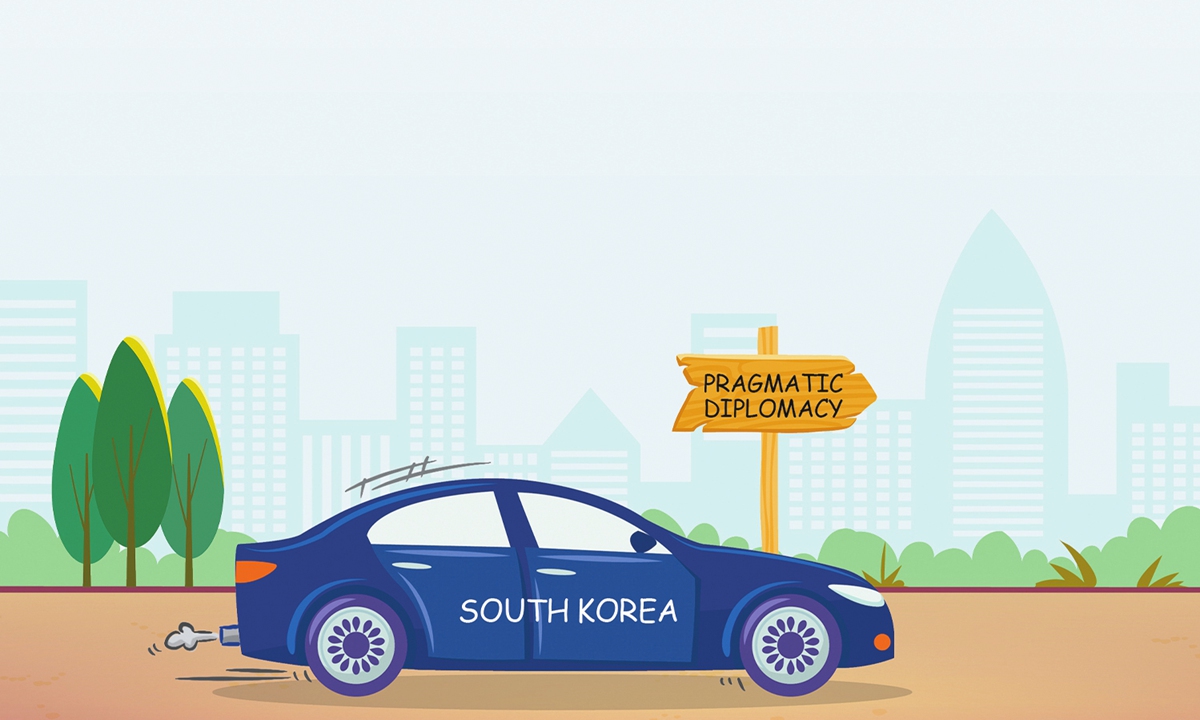
GT: In contrast to former president Yoon's "values-based diplomacy," President Lee advocates for a "pragmatic diplomacy." What is your understanding of "pragmatic diplomacy"?
Kim: South Korea had implemented ideology-based diplomacy during the Moon Jae-in and Yoon administrations. For instance, during the Yoon administration, the conservatives sought to respond to the China-US strategic competition through the ROK-US alliance and ROK-US-Japan security cooperation. As a result, both approaches were anachronistic. What remains is a more integrated and pragmatic approach.
The pragmatic approach means that rather than pursuing balanced diplomacy between China and the US, South Korea will pursue a more prudent foreign policy and secure practical benefits from the standpoint of its national interests. This also means that it will seek responsive measures based on the approaches of China and the US.
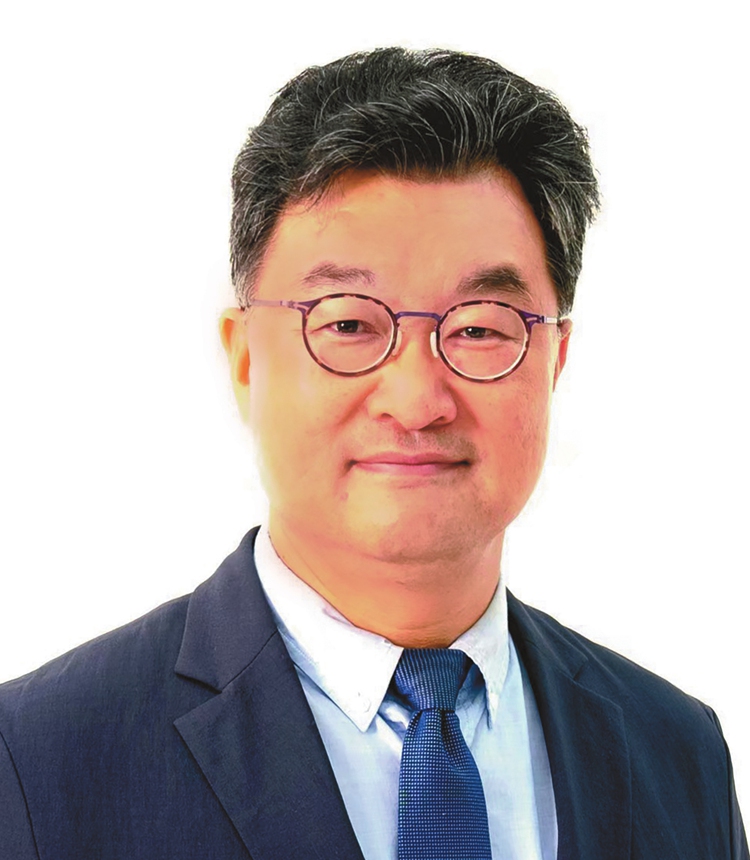
Kim Heung-kyu Photo: Courtesy of Kim
GT: How do you assess the potential impact of the US factor on South Korea's China policy? In your opinion, how should South Korea strike a strategic balance between China and the US to prioritize its national interests?Kim: The influence of US policy toward China on South Korea's foreign policy is magnificent. The US will want to transform the ROK-US alliance into a China-deterrence alliance. The US will also request that South Korea significantly increase the defense cost-sharing, redeploy the US forces stationed in South Korea and increase the utilization of US military bases in South Korea. From South Korea's perspective, the ROK-US alliance is an alliance to deter North Korea. If it were to transform into a China-deterrence alliance, the cost would outweigh the benefits of the alliance. If that were to happen, there would be very strong domestic resistance. The majority of South Koreans do not want conflict or clashes with China, but it is also true that they have doubts about China's future strategies and behavior.
GT: Since the US initiated the wave of tariff wars in April, relevant industries in South Korea have been significantly impacted. Against this backdrop, do you think the South Korean government will accelerate negotiations on the China-Japan-South Korea Free Trade Agreement and deepen trilateral cooperation to cope with the uncertainties of US trade policy?
Kim: South Korea and Japan will seek new regional cooperation measures. This means that South Korea, China and Japan are facing an environment where they can meet the new momentum of cooperation. They will also take a positive stance and expand regional multilateral economic cooperation bodies such as the RCEP (Regional Comprehensive Economic Partnership). As a trading country, South Korea supports more open and multilateral cooperation and market expansion.
GT: China has long remained South Korea's largest trading partner and is also a major destination for South Korean investment. You have said before that when the US asks its allies to decouple, China provides not only a market but also a springboard for industrial upgrading. What has led you to such a positive assessment of China?
Kim: China is the world's largest market that is developing rapidly. It is also a test bed for the Fourth Industrial Revolution. At the same time, it has the capacity to shake the stability of the region. For South Korea, China is both a huge opportunity and a challenge. It is unimaginable that South Korea, a trading nation, would completely cut off ties with China. We need to create a division of labor structure that can pursue regional peace and stability and economic prosperity by transcending national patriotism and nationalism and considering the region as a single space. Here, China's role seems most important. If China, like the US now, is obsessed with its interests only, stability, peace and prosperity in Northeast Asia may face difficulties.
GT: What are your expectations for the future of China-South Korea relations under the new South Korean government? If bilateral ties improve, what would that mean for South Korea's economy at this critical moment?
Kim: Under the Lee administration, South Korea will take a forward-looking but cautious stance toward China. The priority orientation of South Korea's foreign policy in the future is to secure regional and strategic stability above all else.
South Korea wants communication and peace rather than confrontation and conflict and prefers predictable, gradual changes over rapid transformations. South Korea's foreign policy aims to avoid hostile relations with neighboring countries and pursue a policy of peace. South Korea hopes to establish a new cooperative economic system with China and will try to restrain diplomatic and security disputes as much as possible. In order to secure supply chain stability and improve the economic quality of life of its people, it hopes to establish a more cooperative regional economy and regime.
RELATED ARTICLES