
An aerial drone photo taken on May 3, 2025 shows tourists visiting the Fuzimiao scenic area in Nanjing, east China's Jiangsu Province. People across China enjoy the ongoing May Day holiday in various ways. (Xinhua)
As the global economic order undergoes profound transformation, the multi-polar world system is being reshaped. In this context, China is fortifying its economic resilience through enhanced multilateral cooperation and a major shift toward domestic demand-driven growth.
For decades, globalization has helped shape the global economy, with both China and the US among the primary beneficiaries of this process. This makes it all the more vital for the world's two largest economies, and the broader international community, to maintain an open and cooperative trade environment.
However, the current US administration has resorted to imposing steep tariffs in an effort to address the country's trade deficits and aspire to bring manufacturing back to the US. These protectionist measures, though, do not tackle the root causes of the US' economic woes.
The US' struggles with industrial relocation and widening social divisions lie primarily in imbalance in its domestic distribution system, rather than in international trade itself. Nevertheless, American politicians have grown accustomed to deflecting domestic reform pressures onto China, turning it into a scapegoat by obstructing normal bilateral and global trade.
In fact, US companies have consistently reaped high returns from their Chinese and Asian operations during the globalization era, with Wall Street investors and multinationals benefiting substantially from the Chinese market. The US government tends to focus solely on its trade deficit in goods, while overlooking its sizable surplus in services such as tourism, education, and legal services, areas where it holds strong competitive advantages.
It is unrealistic to believe that a trade war with all its trading partners will bring manufacturing back to the US. China's manufacturing edge is the result of four decades of reform and opening-up, underpinned by long-term planning, sustained investment, and abundant talent resources.
As Apple CEO Tim Cook has noted, companies choose China not just for "lower labor costs," but because of its unique advantage: a large pool of highly skilled workers concentrated in one place. For the US, rebuilding a comparable industrial ecosystem through a few short-term projects can hardly succeed, as its political system lacks the institutional capacity for sustained long-term planning.
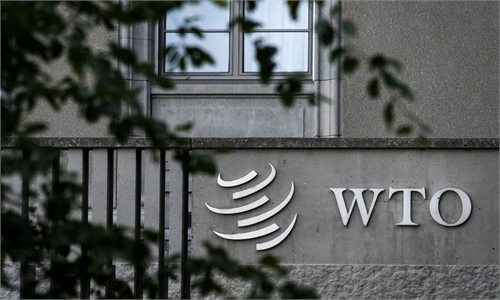
Even with its developmental advantages, China has never sought to replace any country. China remains steadfast in its commitment to fostering shared prosperity with all its trade partners. When facing trade disputes, China consistently upholds multilateral approaches, advocating for negotiated solutions within frameworks like the WTO and the UN.
Moreover, far from seeking dominance in global governance, China focuses on offering constructive solutions through equitable collaboration. Initiatives such as the Belt and Road Initiative embody China's vision for inclusive globalization and its responsible leadership as a major power.
Amid the accelerated restructuring of global supply chains, Chinese economy confronts its own transformation challenges. But as past experience shows, periods of challenge often breed new opportunities. Current external pressures are driving China's push for deeper industrial transformation, technological innovation, and sustainable growth.
On one hand, Chinese enterprises are accelerating their "go global" strategy and diversifying their export markets. Since the US imposed higher tariffs, Chinese companies have strengthened ties with emerging markets in Southeast Asia, Africa, and Latin America. These efforts have not only helped diversify risk but have also contributed to global economic growth. By introducing mature technologies to developing and underdeveloped nations, Chinese firms have injected new vitality into local economies.
More importantly, the Chinese government has recognized that the previous growth model of heavily relying on overseas market is no longer sustainable. The new focus is on boosting domestic demand through industrial upgrading and structural transformation, such as shifting from manufacturing to services and driving consumption through product innovation. In the long run, this is the only path toward high-quality growth and a vital strategy for addressing external uncertainties.
The 2025 Government Work Report listed "vigorously boosting consumption" as a top priority. The central government has rolled out a series of policy initiatives, including issuing 300-billion-yuan ($42 billion) in ultra-long special treasury bonds to support consumer goods trade-ins, researching a childcare subsidy system, and enhancing health and elderly care services. These measures form an integrated "income growth-quality supply-environment enhancement" consumption stimulus cycle, demonstrating the government's resolve to pursue economic transformation while supporting China's high-quality development in the long run.
By increasing domestic consumption, China will build a more balanced economic structure, reducing its reliance on any single market and offering vast opportunities for global goods and services. Although economic transformation takes time, China has charted a clear path forward and is well-prepared with a strong policy framework. In this context, any positive outcomes from China-US economic and trade dialogues would be welcomed, but if talks fail, US pressure will only accelerate China's transition.
Looking ahead, the resilience of China's economy is undeniable. It is rooted in the country's comprehensive manufacturing system and complete industrial chains, which are systemic advantages built over four decades of reform. The advantages not only ensure efficient production but also support continuous innovation. China's growing self-sufficiency in key sectors, including high-end manufacturing, new energy, and information technology, further strengthens its ability to withstand external shocks and contribute to stabilizing global growth.
The article was based on an exclusive interview conducted at the 2025 Tsinghua PBCSF Global Finance Forum with Shi Kang, a professor in the Department of Economics at The Chinese University of Hong Kong.

For decades, globalization has helped shape the global economy, with both China and the US among the primary beneficiaries of this process. This makes it all the more vital for the world's two largest economies, and the broader international community, to maintain an open and cooperative trade environment.
However, the current US administration has resorted to imposing steep tariffs in an effort to address the country's trade deficits and aspire to bring manufacturing back to the US. These protectionist measures, though, do not tackle the root causes of the US' economic woes.
The US' struggles with industrial relocation and widening social divisions lie primarily in imbalance in its domestic distribution system, rather than in international trade itself. Nevertheless, American politicians have grown accustomed to deflecting domestic reform pressures onto China, turning it into a scapegoat by obstructing normal bilateral and global trade.
In fact, US companies have consistently reaped high returns from their Chinese and Asian operations during the globalization era, with Wall Street investors and multinationals benefiting substantially from the Chinese market. The US government tends to focus solely on its trade deficit in goods, while overlooking its sizable surplus in services such as tourism, education, and legal services, areas where it holds strong competitive advantages.
It is unrealistic to believe that a trade war with all its trading partners will bring manufacturing back to the US. China's manufacturing edge is the result of four decades of reform and opening-up, underpinned by long-term planning, sustained investment, and abundant talent resources.
As Apple CEO Tim Cook has noted, companies choose China not just for "lower labor costs," but because of its unique advantage: a large pool of highly skilled workers concentrated in one place. For the US, rebuilding a comparable industrial ecosystem through a few short-term projects can hardly succeed, as its political system lacks the institutional capacity for sustained long-term planning.
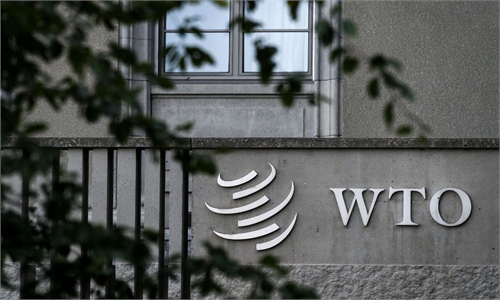
Even with its developmental advantages, China has never sought to replace any country. China remains steadfast in its commitment to fostering shared prosperity with all its trade partners. When facing trade disputes, China consistently upholds multilateral approaches, advocating for negotiated solutions within frameworks like the WTO and the UN.
Moreover, far from seeking dominance in global governance, China focuses on offering constructive solutions through equitable collaboration. Initiatives such as the Belt and Road Initiative embody China's vision for inclusive globalization and its responsible leadership as a major power.
Amid the accelerated restructuring of global supply chains, Chinese economy confronts its own transformation challenges. But as past experience shows, periods of challenge often breed new opportunities. Current external pressures are driving China's push for deeper industrial transformation, technological innovation, and sustainable growth.
On one hand, Chinese enterprises are accelerating their "go global" strategy and diversifying their export markets. Since the US imposed higher tariffs, Chinese companies have strengthened ties with emerging markets in Southeast Asia, Africa, and Latin America. These efforts have not only helped diversify risk but have also contributed to global economic growth. By introducing mature technologies to developing and underdeveloped nations, Chinese firms have injected new vitality into local economies.
More importantly, the Chinese government has recognized that the previous growth model of heavily relying on overseas market is no longer sustainable. The new focus is on boosting domestic demand through industrial upgrading and structural transformation, such as shifting from manufacturing to services and driving consumption through product innovation. In the long run, this is the only path toward high-quality growth and a vital strategy for addressing external uncertainties.
The 2025 Government Work Report listed "vigorously boosting consumption" as a top priority. The central government has rolled out a series of policy initiatives, including issuing 300-billion-yuan ($42 billion) in ultra-long special treasury bonds to support consumer goods trade-ins, researching a childcare subsidy system, and enhancing health and elderly care services. These measures form an integrated "income growth-quality supply-environment enhancement" consumption stimulus cycle, demonstrating the government's resolve to pursue economic transformation while supporting China's high-quality development in the long run.
By increasing domestic consumption, China will build a more balanced economic structure, reducing its reliance on any single market and offering vast opportunities for global goods and services. Although economic transformation takes time, China has charted a clear path forward and is well-prepared with a strong policy framework. In this context, any positive outcomes from China-US economic and trade dialogues would be welcomed, but if talks fail, US pressure will only accelerate China's transition.
Looking ahead, the resilience of China's economy is undeniable. It is rooted in the country's comprehensive manufacturing system and complete industrial chains, which are systemic advantages built over four decades of reform. The advantages not only ensure efficient production but also support continuous innovation. China's growing self-sufficiency in key sectors, including high-end manufacturing, new energy, and information technology, further strengthens its ability to withstand external shocks and contribute to stabilizing global growth.
The article was based on an exclusive interview conducted at the 2025 Tsinghua PBCSF Global Finance Forum with Shi Kang, a professor in the Department of Economics at The Chinese University of Hong Kong.
Shi Kang Photo: Courtesy of Shi Kang
RELATED ARTICLES