C.China's Zhengzhou suspends work, business, classes, and public transport citywide; flood emergency response raised to Level III
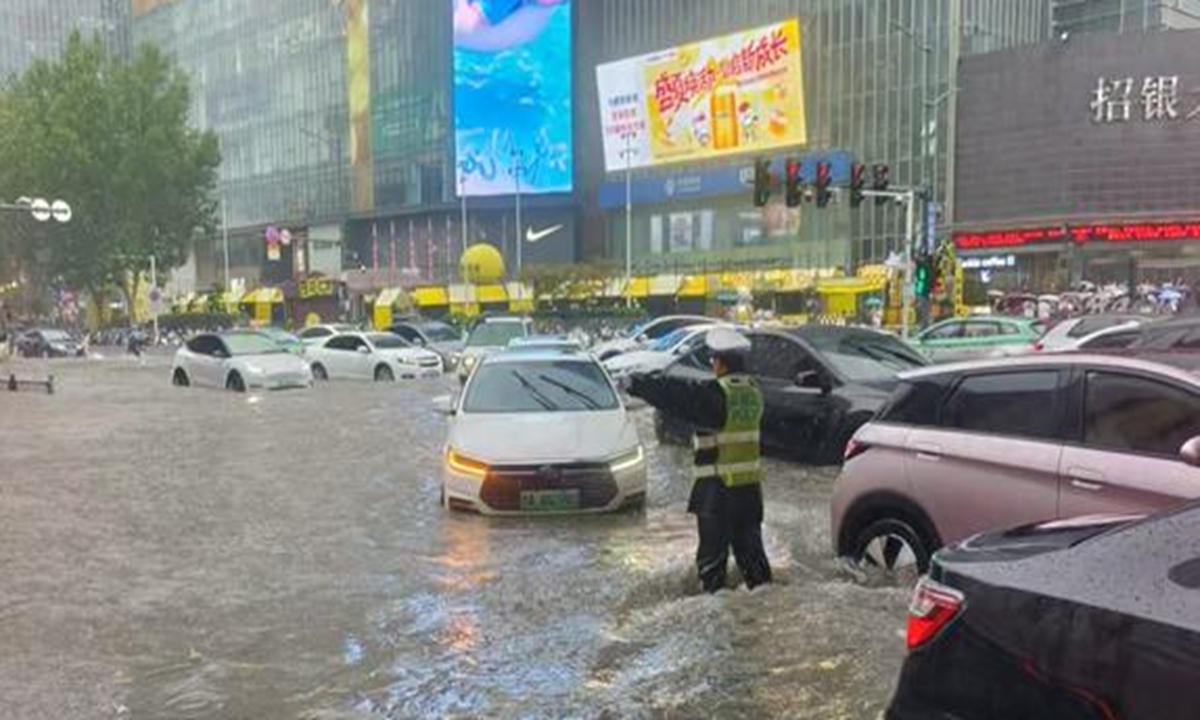
According to the Flood Control and Drought Relief Headquarters in Central China's Henan Province, due to the impact of the current round of heavy rainfall and based on comprehensive analysis and assessment, the headquarters decided to raise the flood control emergency response from Level IV to Level III at 1:00 pm on August 7, 2025. Photo: web
According to the Flood Control and Drought Relief Headquarters in Central China's Henan Province, due to the impact of the current round of heavy rainfall and based on comprehensive analysis and assessment, the headquarters decided to raise the flood control emergency response from Level IV to Level III at 1:00 pm on Thursday. The city will implement mandatory control measures, including suspension of production, business operations, classes, transportation, and collective outdoor activities.Affected by slow-moving strong convective clouds, Zhengzhou's Zhongyuan district has already experienced heavy rainfall exceeding 90 millimeters. Most areas within the main urban districts, including townships and streets, are expected to continue experiencing precipitation, accompanied by short-term heavy rainfall, thunderstorms, strong winds, and other severe convective weather, The Beijing News reported.
This round of rainfall is characterized by its long duration, wide coverage, high intensity, and significant overlap with previous rainfall areas, posing a substantial risk of disasters, the headquarters said. Departments at all levels must take this seriously, strictly follow the early warning measures and response protocols outlined in the emergency plan, strengthen analysis and assessment, and issue early warnings promptly.
Special attention should be paid to vulnerable areas that might be affected by mountain torrents, geological hazards, and risky reservoirs, small and medium-sized rivers, tailings ponds, and silt dams. Efforts must also be intensified to manage urban waterlogging, rail transit, overpasses, culverts, tunnels, and underground spaces, ensuring effective disaster response and the timely evacuation and relocation of affected individuals, the headquarters warned.
It also urged flood control personnel at all levels to immediately assume their posts, conduct 24-hour patrols, and remain on high alert. Emergency rescue teams should be prepared to ensure that risks are detected, reported, and addressed as early as possible, safeguarding public lives and property and minimizing disaster losses to the greatest extent possible.
Global Times
RELATED ARTICLES