Illustration: Liu Rui/GT
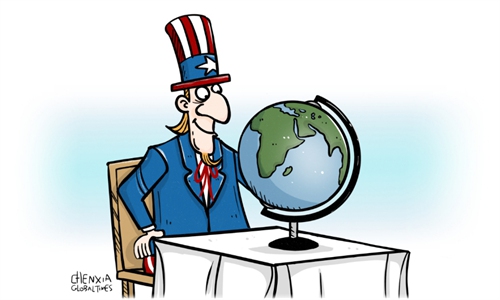
For decades, Africa has been treated as a chessboard in the grand geopolitical games of the world's major powers. Among them, the US has often projected itself as a benevolent champion of democracy, human rights and economic development. Yet the reality of US foreign policy toward Africa belies this lofty rhetoric.Demanding values of governance and accountability from African states while consistently undermining these very principles when they conflict with US strategic or economic interests shows its double standards. This hypocrisy has played out repeatedly in the US' dealings with the continent.
Washington lectures African governments about corruption, yet it has historically propped up some of the most authoritarian regimes whenever it suits its security or economic agenda, contradicting its professed commitment to democracy.
The same inconsistency is evident in the US' economic posture.
While urging African nations to embrace free markets, it has saddled them with punitive trade restrictions and complex conditionalities attached to aid and loans.
Initiatives such as the African Growth and Opportunity Act are often touted as evidence of goodwill, but they are heavily skewed toward US interests. Countries that deviate from Washington's preferred policies risk being ejected from such schemes, regardless of the impact on ordinary citizens.
This approach reveals an underlying mentality that African economies are viewed not as partners to nurture, but as instruments to secure US geopolitical advantage.
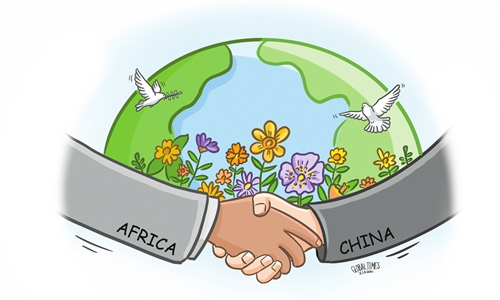
Contrast this with China's approach. In its dealings with Africa, China projects a sense of mutual respect that many Africans find refreshing. Its engagement is focused on trade, infrastructure and investment rather than moral lectures.
Chinese loans typically come without the political conditionalities that have long characterized Western aid, giving African governments the latitude to determine their own development priorities.
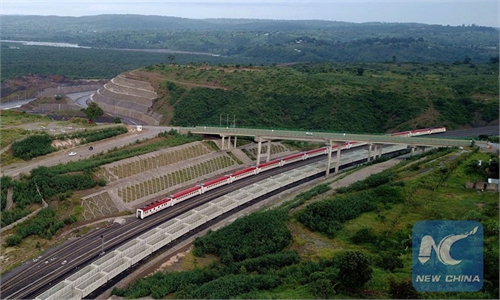
This pragmatism has yielded visible results. Roads, railways, ports and power plants constructed with Chinese financing have transformed connectivity and commerce in many African nations.
In Kenya, the Standard Gauge Railway linking Nairobi and Mombasa stands as a symbol of this infrastructure push. In Ethiopia, Chinese-built industrial parks have created thousands of jobs. Many Africans view them as tangible improvements in their daily lives, a stark contrast to the often intangible outcomes of decades of Western aid.
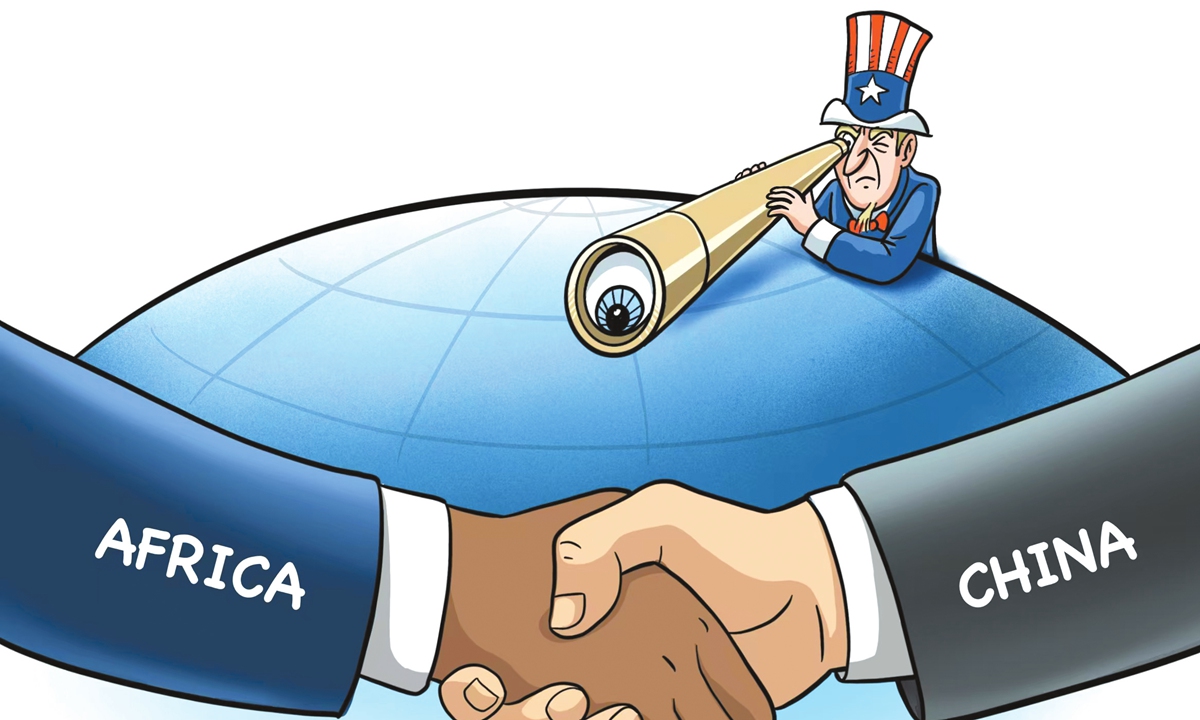
What truly grates is America's habit of demonizing China's presence in Africa rather than offering a compelling alternative.
US officials routinely warn African governments about "debt traps" and the risks of Chinese influence, yet they rarely match China's scale of investment. The message often comes across as condescending, as though Africans are incapable of making informed choices about their own partnerships.
This narrative not only undermines US credibility but also deepens resentment: Africa does not need new patrons; it needs genuine partners.
And that is why more and more African leaders now speak of South-South cooperation and look increasingly toward Asia, Latin America and other emerging economies for collaboration.
The author is a PhD student in international relations. opinion@globaltimes.com.cn
RELATED ARTICLES