Illustration: Xia Qing/GT
There is growing evidence that China's "population dividend" is swiftly evolving into a "talent dividend." The Overseas Edition of the People's Daily reported on Tuesday that China has emerged as the world's largest and most comprehensive hub of talent resources, leading globally in total talent resources, scientific and technological human resources, and the number of research and development personnel.For many years, China's "population dividend" has been widely acknowledged as a factor in its emergence as the "world's factory." Now, beyond the population advantage, the emerging "talent dividend" could also have a noticeable influence on the international stage, which can be examined from several perspectives.
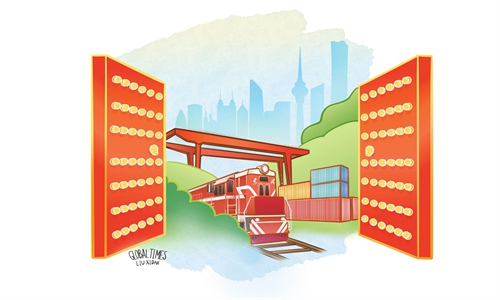
First, China's growing "talent dividend" is increasingly aligning with the country's ongoing economic openness. This synergy not only supports China's economic transformation, upgrading, and innovation but also offers opportunities for multinational companies to benefit from this pool of skilled talent.
In recent years, China's foreign investment structure has continued to improve, with high-tech manufacturing and services becoming key areas for foreign capital inflows. In 2024, China's high-tech manufacturing sector utilized 96.29 billion yuan ($13.39 billion) in actual foreign investment, accounting for 11.7 percent of the national total, according to data from the Ministry of Commerce.
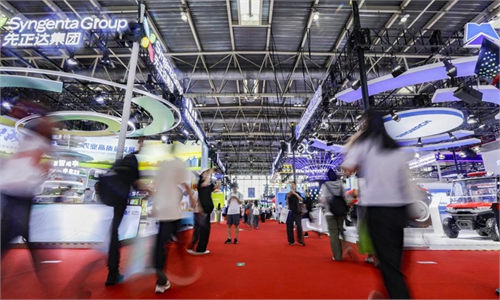
Some internationally renowned technology companies have established research and development (R&D) centers leveraging China's talent advantage, such as Apple, which is expanding and establishing new R&D centers in Shanghai and Shenzhen. According to an Apple press release in March 2024, Apple's R&D team in China has doubled in size over the past several years.
Second, as China's talent pool expands, the nation is actively promoting international talent exchange and collaboration. This effort includes attracting global professionals to work and live in China, as well as encouraging Chinese experts to explore opportunities abroad.
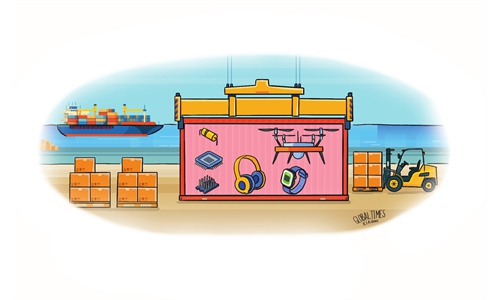
In recent years, driven by the growth of China's outward investments and diverse international partnerships, numerous Chinese professionals have brought their management skills and technical expertise to the global stage, sharing their knowledge worldwide. In 2024, China's total outward direct investment across all industries reached $162.78 billion, up 10.1 percent year-on-year, according to data from the Ministry of Commerce. Outward investment has become one of the channels for exporting China's "talent dividend" to the international stage.
China has also implemented measures to promote scientific research cooperation and talent exchange, including visa facilitation and the establishment of research collaboration platforms. For example, since its implementation in 2018, China's talent visa facilitation measure has become an important policy tool for promoting talent exchange. In recent years, it has been further improved in terms of procedural details and service convenience.
Third, the development of China's "talent dividend" offers valuable insights for the global community, particularly for developing economies with large populations. By consistently investing in education, focusing on technological innovation, and embracing greater openness, these economies can transform their substantial population base into a competitive advantage that drives economic growth.
Under the guidance of initiatives such as the Belt and Road Initiative, China's talent cultivation cooperation with developing countries has become one of the new highlights. For example, Africa is in a demographic dividend potential phase and urgently needs to transform this potential demographic dividend into real development momentum. China has engaged in multi-faceted cooperation with African countries, including university partnerships and vocational skills training.
Since the 2024 Summit of the Forum on China-Africa Cooperation in Beijing last September, the achievements implemented include training more than 10,000 professionals in various fields for African countries, according to data released by China's Foreign Ministry in June.
Certainly, as China develops its "talent dividend," it inevitably faces challenges. Internationally, the rapid pace of the new technological revolution has led countries to place unprecedented importance on the strategic role and innovative value of talent, intensifying global competition. Some nations are keen on erecting barriers to talent exchange. Domestically, there is a need for greater support for scientific talent, particularly young scientists.
However, despite these challenges, efforts to develop China's "talent dividend" will continue unabated. The accelerated formation of China's talent advantage and its global impact will bring additional benefits to the global economy.
The author is a reporter with the Global Times. bizopinion@globaltimes.com.cn
RELATED ARTICLES