Shenyang WWII Allied Prisoners Camp Site Museum: A number tag of prisoner of war reveals Japanese atrocities
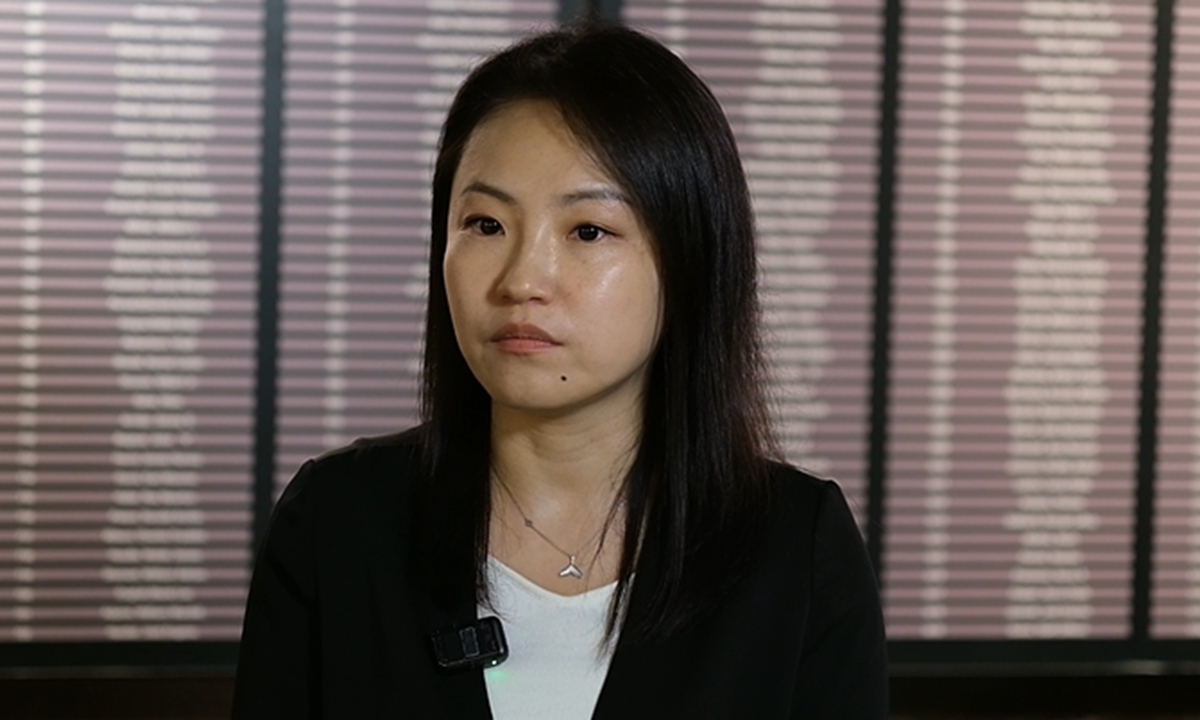
Li Zhuoran, deputy director of the Shenyang WWII Allied Prisoners Camp Site Museum
Exhibited artifact: Number 1051 tag worn by US POW Wallace R. Phillips
Narrator: Li Zhuoran, deputy director of the Shenyang WWII Allied Prisoners Camp Site Museum
The Mukden Allied Prisoner of War (POW) Camp, World War II, originally known as the Mukden POW Camp, was a concentration camp established by Japanese aggressors in Shenyang during World War II to detain allied prisoners of war captured from the Pacific Theater, including those from the US, the UK, and other nations. It is the best-preserved of the 18 central POW camps set up by Japan across its homeland and occupied territories during the war. From November 11, 1942 to August 15, 1945, the camp held more than 2,000 POWs from countries such as the US, the UK, Australia, the Netherlands, Canada, and France.
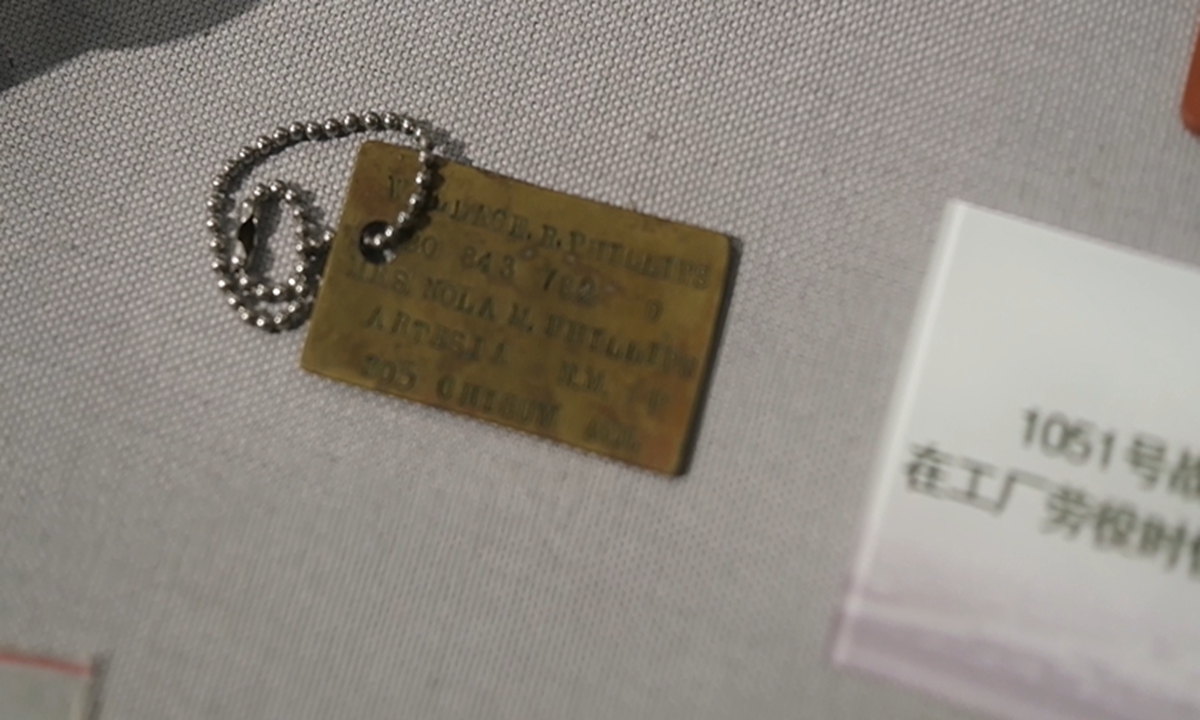
Number 1051 tag worn by US POW Wallace R. Phillips
Secret resistance against Japanese fascism
Among the collections of the Shenyang WWII Allied Prisoners Camp Site Museum is a POW number tag designated as a national first-class cultural relic: the number tag 1051 was worn by American POW Wallace R. Phillips during his imprisonment at the camp. This tag is the only known surviving POW tag inscribed with the name of a forced labor factory, with "Manchuria Machine Tool Co" imprinted on its front. The back is inscribed with Phillips' name and the number "1051." This number tag stands as tangible evidence of the Japanese aggressors' violation of international conventions through the enslavement and mistreatment of POWs. It also serves as a testament to the shared struggle of Allied POWs and Chinese workers who fought side by side against Japanese fascism in the labor factories.
In the early stages of the Pacific War, the Allies suffered significant defeats, resulting in large numbers of soldiers being captured by the Japanese. To exploit the prisoners' labor and technical skills, the Japanese transported more than 1,000 Allied POWs with technical backgrounds from Southeast Asia to the Mukden POW Camp. Just one month after their arrival, these prisoners were forcibly sent to work at the Japanese military factory called Manchuria Machine Tool Co. During their forced labor, Japanese guards were brutally abusive, frequently beating POWs at will.
POWs were required to wear their number tags at all times, making this tag a witness to their myriad experiences, including their covert acts of resistance in the labor factories. According to Phillips' memoir, he and two fellow POWs once secretly placed an electric heating tube in a factory office and connected it to a power source. After being left on overnight, the tube sparked a fire that destroyed the entire office. When Phillips and his comrades learned of the fire the next day, they were as elated as if they had won a battle. For the POWs in the labor factories, the factory became a battlefield without gunfire, where they resisted Japanese fascism daily with courage and ingenuity.
Transnational friendship forged in hardship
The Allied POWs' covert resistance in the labor factories relied heavily on the tacit cooperation of Chinese workers. For instance, POWs would secretly remove machine parts from the factory and pass them to Chinese workers, who would smuggle the parts out, sell them, and use the proceeds to bring back food or cigarettes for the POWs. Through this discreet exchange, deep bonds of friendship formed between the Allied POWs and their Chinese counterparts. For the POWs, far from home in a foreign land, the care and support of Chinese workers provided not only warmth but also the courage to face their dire circumstances with resilience.
After WWII ended, most repatriated Allied POWs remained silent about their experiences in the Shenyang camp, as the ordeal was a haunting nightmare they could not easily revisit. Over time, however, some surviving POWs began to confront their past and share their stories to expose this dark chapter of history. Some formed delegations to revisit the old site of the Mukden Allied POW Camp and recount their harrowing experiences. Phillips had passed away before one such delegation was organized. Upon learning of the planned visit, his wife entrusted the delegation with donating his number tag 1051 to the museum.
Link between China, world
The story behind this number tag carries a transnational memory, serving as a vital link between China and the world. It vividly illustrates the history of the camp, the suffering and resistance of Allied POWs, and the fascist atrocities committed by the Japanese military in violation of international conventions. Moreover, it conveys the shared aspiration of people worldwide to oppose war and cherish peace. In international exchanges, the historical narratives surrounding the Mukden Allied POW Camp resonate deeply with foreign audiences, as this period of history involves many countries, including the US, the UK, Australia, the Netherlands, and China, fostering stronger connections between China and the world by sharing the story of this number tag.
From a historical perspective, this number tag embodies the shared struggle of the Chinese people and the global anti-fascist nations, who fought side by side against aggression. In a world of profound changes unseen in a century, peace-loving people everywhere should embrace a correct understanding of WWII history, drawing lessons from the past to safeguard peace.
RELATED ARTICLES