Exclusive: Attending V-Day events is an expression of mourning for martyrs: retired lieutenant commander from Taiwan island
By Wu Wei and Published: Sep 08, 2025 11:25 PM

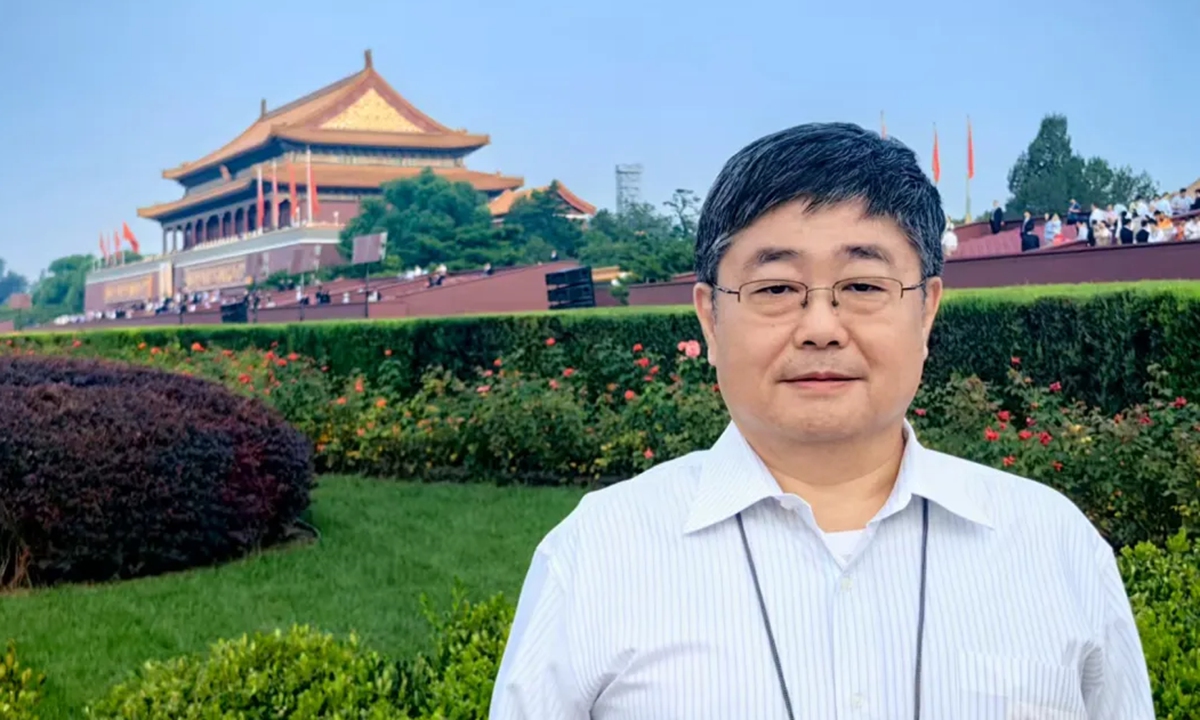
Lu Li-shih, retired lieutenant commander of the Taiwan region Photo: Courtesy of Lu
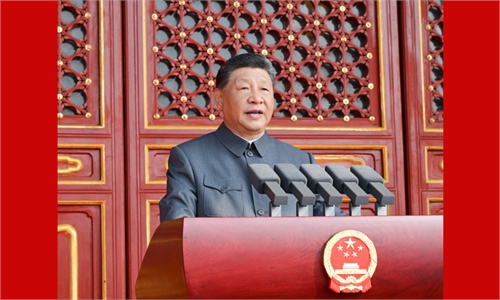
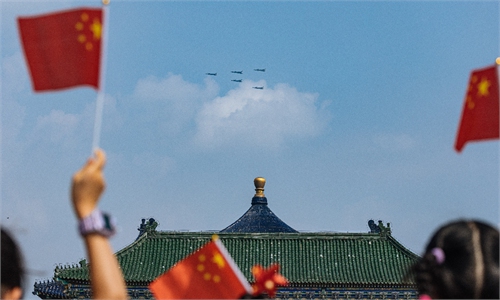
Commemorations marking the 80th anniversary of the victory of the Chinese People's War of Resistance Against Japanese Aggression and the World Anti-Fascist War were held on September 3 at Tian'anmen Square in Beijing. Lu Li-shih, retired lieutenant commander of the Taiwan region invited to attend the events, gave an exclusive interview with the Global Times (GT) on Saturday. He said that attending the September 3 military parade was both to remember the martyrs and to reassure them: this prosperous age is what they wished for.Lu received the invitation in July, saying that he was very happy to have the honor of receiving this invitation.
He said that although he and other Taiwan residents who attended this event had faced significant pressure, online harassment, and even threats of punishment from the Taiwan regional authorities, "our participation in the events is a way to express our mourning for our martyrs as Chinese people," conveying the message that "this prosperous China is as you wished."
Attending the September 3 military parade and related commemorative activities in Beijing does not violate any regulations in the island of Taiwan, Lu said, adding that "those opposing us merely seek to exert psychological pressure."
He said the Chinese mainland holds such events to honor the predecessors who bled, sweated, and even sacrificed their lives for the country during the 14-year Chinese People's War of Resistance Against Japanese Aggression. Their contributions to the country are remembered by the mountains and rivers, and "we also remember them," Lu said.
For Lu, the most impressive thing was seeing that many leaders of major countries from the Global South were present at the event. In recent years, China has been actively seeking pathways for Global South countries through its diplomatic efforts, whether through the Shanghai Cooperation Organization, BRICS, or the Belt and Road Initiative.
China's commitment to maintaining an international order based on international law and the UN Charter has gained wide acknowledgment, Lu said.
"I would like to say something that many people in the island of Taiwan may not want to face: we actually have nothing to compare (with the Chinese mainland military equipment)," according to Lu.
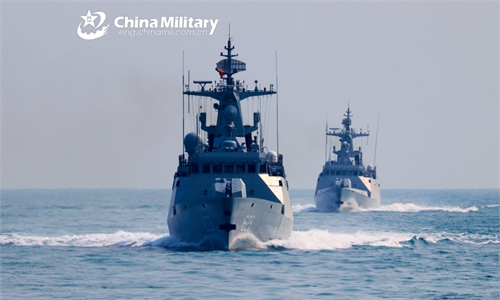
At the military parade, from the various antennas and equipment already deployed in the military, Lu said that he can see the People's Liberation Army's preparations for multi-domain and even all-domain warfare. The term "all-domain" refers to land, sea, air, space, cyberspace, and the electromagnetic spectrum.
The information support forces and cyber warfare units are the true core of modern warfare, focusing on how to leverage these capabilities to gain relative informational advantages, Lu said. "We can maintain a relatively complete understanding of the battlefield during engagements, creating a fog of war for the enemy, preventing them from fully grasping the actual combat situation, thus putting them at a disadvantage."
Modern warfare is systematic, he noted. From the September 3 parade, Lu sees not only the systematic approach of the PLA's manned equipment but also the systematic integration of unmanned systems, with even drones entering their sixth generation. By contrast, the island of Taiwan has tried to develop the "Tengyun" drone for years but has yet to field it in the military. Therefore, Taiwan needs to be realistic and not deceive itself, Lu added.
Lu holds that the equipment showcased in the parade sends a message to hegemonic, militaristic, or fascist nations that China's national strength is sufficient to safeguard its economic achievements; China is no longer the China of the 1840s. From this perspective, these assets are not intended for use against the island of Taiwan, Lu said.
China's rise has never been about occupying others through military force, as hegemonic countries do, but rather about being the most important cornerstone of peace in the region, Lu added.
RELATED ARTICLES