Illustration: Liu Rui/GT
I recently came across a new book titled China Unbeatable?: Why Creating True Wealth Brings Success by Swedish scholar Stefan Sigfried. It offers a fresh view of China and the West and poses a blunt but relevant question: What could the West learn from China?
Western turmoil vs China's clear advantages
Sigfried argues that capitalist societies are mired in multiple crises.
Politically, a glaring vacuum in leadership. He argues that Western political systems, dominated by elites and special interest groups, now struggle to produce visionary leaders. Moreover, there are too many opportunists who act like performance artists and are skilled in manipulating public opinion.
Economically, a widening wealth gap and diminishing social mobility. Governments are increasingly perceived as incapable of securing the fundamental needs of ordinary people, such as education, housing and healthcare.
In terms of governance, there is a blind pursuit of emerging technologies. Artificial intelligence, robotics and automation are being developed without adequate oversight. Governments remain reluctant to overhaul social structure or steer a more people-centered path of development.
In contrast, China's governance model displays significant strengths.
In its governing philosophy, Chinese leaders prioritize the public interest and the long-term benefits over private or short-term gains. Resources are allocated to where they are needed most, preventing wealth from being concentrated in the hands of a few.
In selecting talent, China focuses on long-term development goals, ensuring a high degree of policy continuity that is free from the short-term swings of public opinion or election cycles. The cultivation of officials emphasizes rotational postings, with appointments made based on performance and capability rather than media visibility.
In its guidance on capital, through reform and opening-up, China has built a socialist market economy where the market plays a decisive role in resource allocation and the government provides strategic guidance and macro-level regulation. Capital is guided toward critical sectors like high-speed rail, renewable energy and semiconductors rather than financial speculation. It ensures society-wide dedication to industrial advancement, infrastructure development and poverty alleviation, thereby constructing a more independent and innovation-driven industrial system with higher value added, contributing to the long-term economic development and social stability.
Which is the true democracy?
The Western world always talks about promoting "democracy," yet often avoids discussing how to effectively assess the quality of democracy. It's not simply about whether people can cast a vote, but about how they actually live.
The true measure of good governance should be whether the government genuinely serves its people and ensures safety, health and dignity for all.
In many Western countries, once the ballots are counted, those who won the election would stop caring about the people. Their societies are increasingly trapped in what US economist Joseph Stiglitz called a system "of the 1 percent, by the 1 percent, and for the 1 percent."
China has followed a path different from the Western democracy, yet it has lifted hundreds of millions out of poverty and maintained long-term stability. Its model, based on the trust in government, fair outcomes and public participation, offers a viable alternative for achieving shared global goals. When asked what true democracy means, facts speak for themselves.
Set the record straight on China
China's rise is a remarkable story that deserves to be understood fairly and objectively. In modern history, China endured internal turmoil and foreign aggression. Under the leadership of the Communist Party of China and with a clear vision, hard work and selfless dedication, the Chinese people have created one development miracle after another.
What China pursues is simply its rightful path to development. Yet, for some in the West, even this has made China a target.
Today, books that present China positively seem to be at odds with the dominant Western narrative. However, the wall of Western discourse dominance is beginning to crack, thanks to countless short videos made by ordinary Chinese and foreigners living in China, showcasing the dynamism of Chinese cities, the scale of their infrastructure and the improved quality of life for Chinese citizens.
The power that comes from the people is unstoppable.
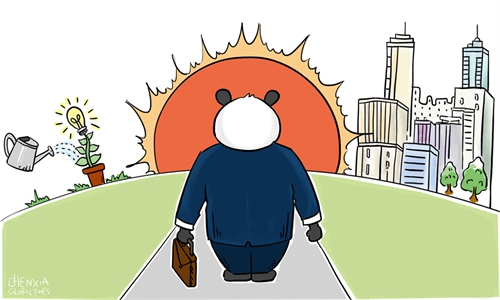
Significant potential remains in China's development, and not just in the growth of its economy or technology.
Empathy. The Confucian concept of Ren and the Judeo-Christian teaching of "love your neighbor as yourself" both call for kindness, mutual understanding and rejection of radical individualism, while stressing family responsibilities and social roles. These shared values could have been a solid foundation for dialogue between Chinese and Western civilizations. However, the West has tightened media controls, trying to screen out true stories about China. Even so, with its profound appeal and gravity, the Chinese philosophy is finding greater resonance worldwide.
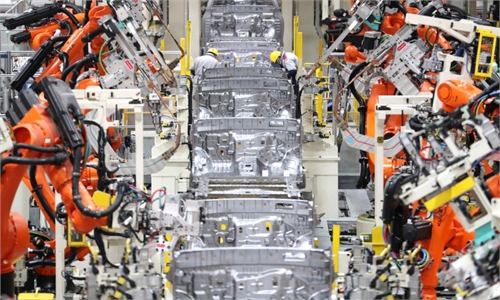
Real wealth. China focuses on creating genuine wealth - improving infrastructure, ensuring food security, expanding basic public services, as well as directing resources to factories, schools and laboratories that meet real needs - rather than boosting headline growth that fails to benefit the wider public.
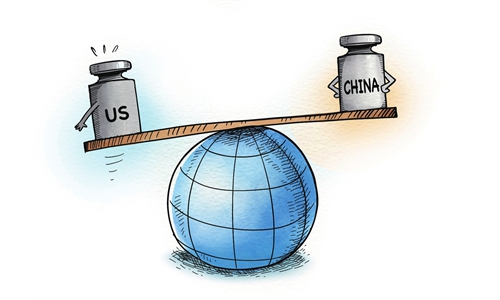
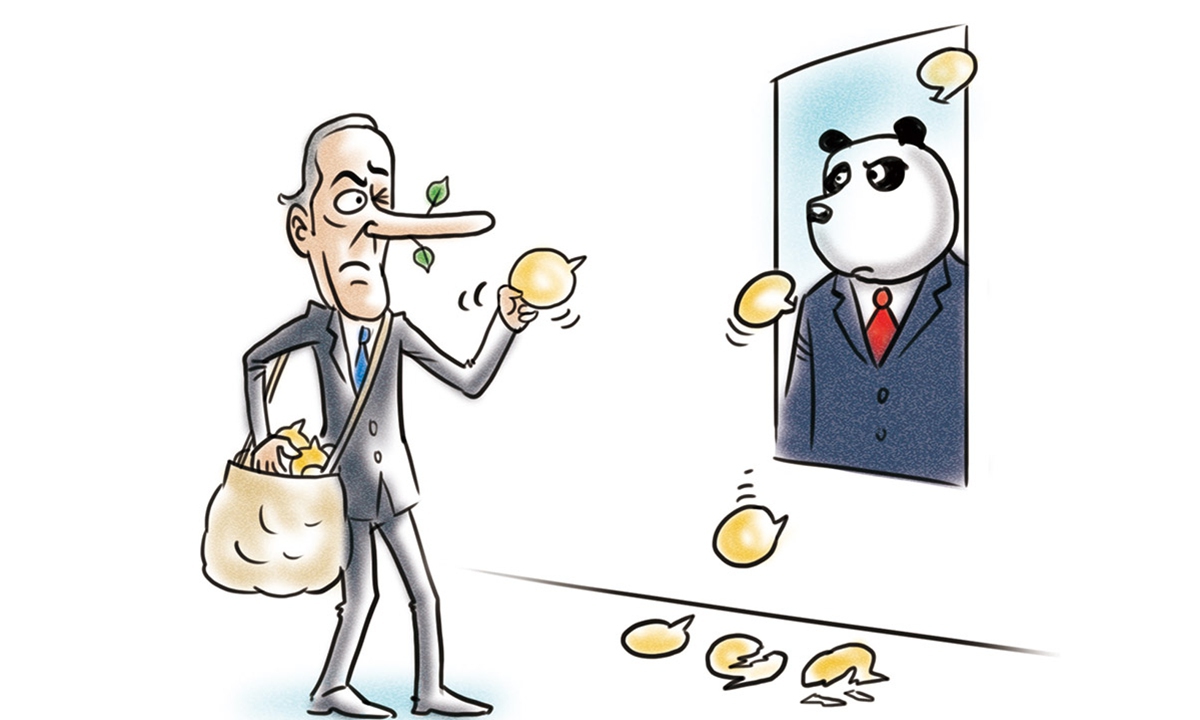
Credibility. The US has a longstanding tradition of breaking treaties and walking away from commitments. In recent years, the US has repeatedly withdrawn from international agreements and launched trade wars while ignoring WTO rules. This track record raises questions about its credibility as a partner on the global stage and highlights the contrasting approach taken by China.
Cohesion. In many Western countries, partisan infighting gets intensified, public opinion is deeply divided, and trust in government keeps declining - yet the leadership appears incapable of taking meaningful action. China, on the other hand, has built a system capable of making unanimous and decisive choices. The Chinese cultural and institutional cohesion enables it to resist both internal divisions and external turbulence, ensuring greater stability and resilience of the society.
For decades, the West has portrayed itself as a model that the whole world should follow. Now, as its own challenges are growing, the question is: Would it be willing to learn from others?
That remains to be seen.
The author is a commentator on international affairs, a regular writer for Xinhua News, Global Times, China Daily, CGTN etc. opinion@globaltimes.com.cn
RELATED ARTICLES