View Xinjiang’s progress through local lenses
The region’s stories lie in perseverance, dedication and blessings
By in Korla Published: Sep 12, 2025 10:48 PM

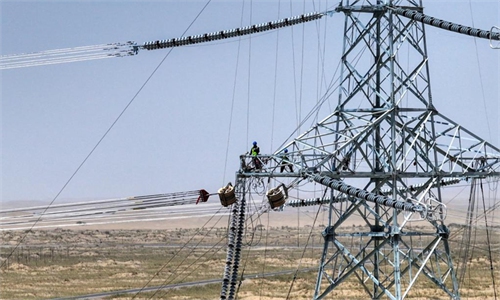
This year marks the 70th anniversary of the establishment of Northwest China's Xinjiang Uygur Autonomous Region. How have Xinjiang's changes and improvements manifested? Through conversations with locals in the Mongolian Autonomous Prefecture of Bayingolin, the answer unveiled itself.
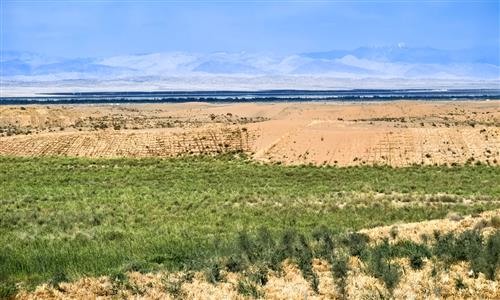
Korla is located on the northeastern edge of the Tarim Basin, just 70 kilometers in a straight line from the Taklamakan Desert, the world's second-largest shifting sand desert, known as the "Sea of Death."
In the 1980s, during spring, sandstorms would sweep through the city, shrouding everything in a dusty gray haze. Barren mountains, deserts, Gobi wasteland, poor soil, sparse vegetation, low rainfall, high evaporation and dry air — the harsh natural conditions and fragile ecological environment once severely constrained Korla's economic and social development. But with groups of people who safeguard the city, nowadays, Korla's lush trees blend seamlessly with the urban landscape.
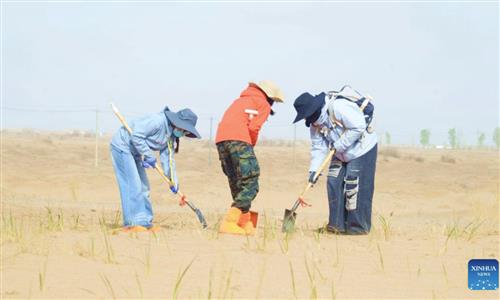
Tree-planting volunteers nurture green
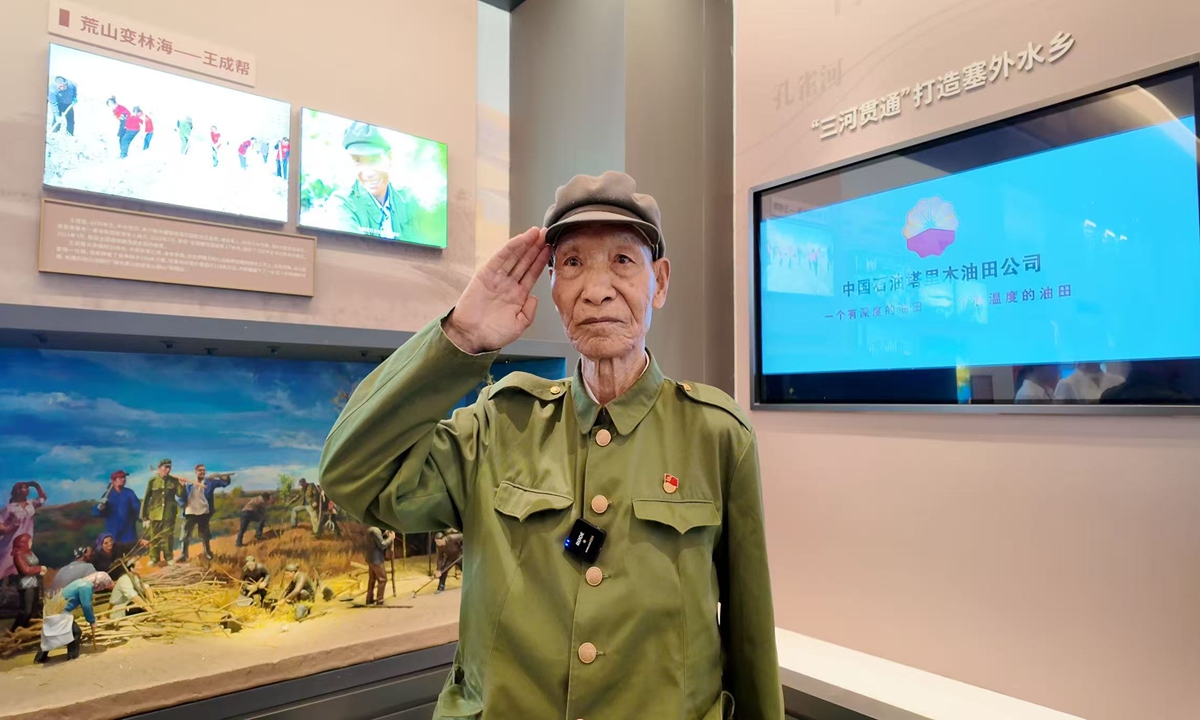
During the visit, the Global Times reporter met Wang Chengbang, who joined the army in 1956 and came to Xinjiang, where he took part in land reclamation, border defense, and farm construction, earning multiple commendations.
Although he is 89 years old, every morning, Wang goes to the willow seedling base in Korla to carefully tend to the seedlings. The willow saplings he personally planted 24 years ago have now grown into towering trees, providing continuous shade for the local community.
In 1956, the then 20-year-old Wang joined the army and came to Xinjiang from Gansu Province in Northwest China. The yellow sand filled the sky, and the strong winds could even move stones — this was his first impression of Xinjiang.
In 1992, after retiring from the army, Wang voluntarily cultivated seedlings and planted trees for the Tarim Oilfield and the Peacock River scenic tourism area.
Planting trees in the desert and Gobi is not easy, and choosing the right tree species is key. In 2001, he unexpectedly discovered a type of willow he had never seen before — its leaves are small and dense in summer, and after shedding in winter, its branches turn golden yellow. Drawing on his years of experience in tree planting, he was sure that this species was suitable for the water-scarce area of Korla. He then dedicated himself to the cultivation and promotion of this type of tree.
For more than three decades, inspired by Wang's dedication, volunteers across the city have collectively planted and nurtured over two million trees. "Where there are people, there should be trees," Wang said.
He told the reporter, "after leaving the army, I couldn't do anything significant, so I focused on doing this 'small thing' well — planting trees."
Korla is growing more beautiful by the day, and it's all thanks to everyone's hard work, he noted. "When my time comes, I wish for my ashes to be returned to the nursery — one final contribution to the greening of our motherland," Wang said, raising his right arm in a solemn salute.
Education contributors bring hope to region
Many more individuals are leaving their own mark on the local progress through their own daily efforts, contributing to the region's development. In Korla, there is one such teacher, Xun Yina.
Xun was not born in Xinjiang. In 2000, she traveled 3,000 kilometers to teach at the Second Middle School in Qiemo County, along with 15 graduates from Baoding University in North China's Hebei Province.
They followed the country's policy of targeted support for Xinjiang. Since 1997, central and state agencies, central state-owned enterprises, and 14 provinces and municipalities have sent a large number of outstanding personnel to support Xinjiang.
When the Global Times reporter met her in person, Xun spoke with a soft, slightly hoarse voice. In her third month in Qiemo, due to the dry weather and overuse of her vocal cords, she suddenly lost her voice. The doctor diagnosed her with vocal cord paralysis.
Over two decades ago, Qiemo's school classrooms were drafty adobe houses. There were over 60 days of sandstorms each year, and one-third of the days were shrouded in dust.
The students were quite poor in core subjects, and some junior high schoolers didn't know the letters of the English alphabet. Most of the students had never ventured beyond the desert.
Upon arriving in Qiemu, Xun and her colleagues quickly immersed themselves in their teaching work, with six of them voluntarily taking on the responsibilities of class teachers.
Their stay allows local students to receive a better education. Many of the children gain the opportunity to leave the desert to see the wider world, and some eventually return to contribute to their hometown.
Over the years, the volunteer teachers from Baoding University have educated over 9,000 graduates, more than 3,000 of whom have returned to their hometown to work as teachers, police officers, doctors, self-employed business owners.
"After seeing the world and acquiring new skills, they have returned to where they are most needed. They often say, 'When I grew up, I became you.'" Xun said. Korla's development will continue to be sustained by these younger generations, the teacher said.
Unique artwork tells region's stories
The joys of the region's development are reflected in the daily dancing of local residents in public squares, the bustling streets and the lively discussions of local affairs in their homes.
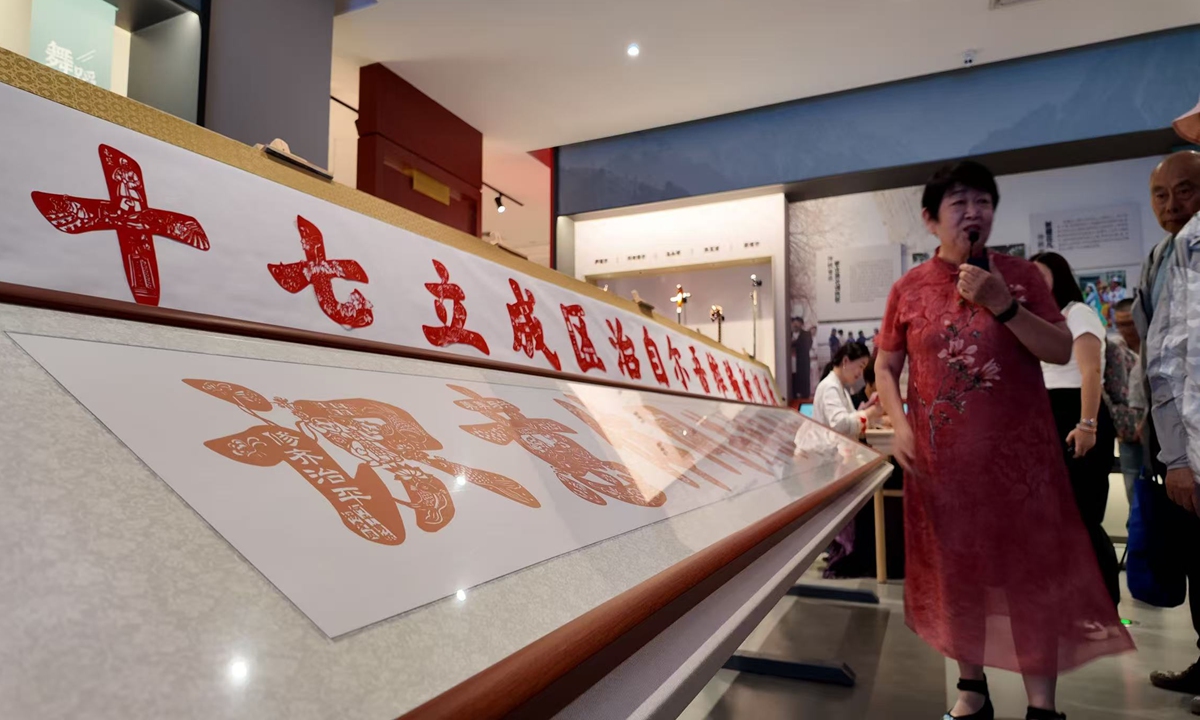
But in Korla, the reporter met a special person - Yang Aifeng, an artist who hid her blessings to the region in the red paper.
Yang and her team had been working overtime and finished with the paper-cutting piece titled "Celebrating the 70th Anniversary of the establishment of the Xinjiang Uygur Autonomous Region."
"I have spent my whole life working with scissors and red paper, and my creations are filled with stories of Xinjiang," she told the Global Times. As she showcased her artwork at the local museum, many people stayed and took photos.
It is a very unique piece of artwork. It features scenes such as the China-Europe freight trains speeding through the port, children of various ethnic groups singing and laughing in celebration, and also the pear, the local classic fruit of Korla.
Pointing at the character "zhù" (祝), which means "to celebrate," Yang explained that she incorporated Xinjiang's cotton industry into the design. The artwork depicts fluffy cotton being planted, processed in factories and made into finished products.
Xinjiang's development is not just a story to be told, but a daily reality that local people live, the artist said.
Now, Yang's daughter has also joined her in creating paper-cutting artwork. "I will continue to capture the diverse beauty and prosperity of Xinjiang through this art, allowing people both inside and outside the region to appreciate its development," Yang's daughter said.
Korla is located on the northeastern edge of the Tarim Basin, just 70 kilometers in a straight line from the Taklamakan Desert, the world's second-largest shifting sand desert, known as the "Sea of Death."
In the 1980s, during spring, sandstorms would sweep through the city, shrouding everything in a dusty gray haze. Barren mountains, deserts, Gobi wasteland, poor soil, sparse vegetation, low rainfall, high evaporation and dry air — the harsh natural conditions and fragile ecological environment once severely constrained Korla's economic and social development. But with groups of people who safeguard the city, nowadays, Korla's lush trees blend seamlessly with the urban landscape.
Wang Chengbang, an 89-year-old veteran, salutes as he vows to contribute to the greening of the country, in Korla, Xinjiang, on September 8, 2025. Photo: Liu Caiyu/GT
Tree-planting volunteers nurture green
During the visit, the Global Times reporter met Wang Chengbang, who joined the army in 1956 and came to Xinjiang, where he took part in land reclamation, border defense, and farm construction, earning multiple commendations.
Although he is 89 years old, every morning, Wang goes to the willow seedling base in Korla to carefully tend to the seedlings. The willow saplings he personally planted 24 years ago have now grown into towering trees, providing continuous shade for the local community.
In 1956, the then 20-year-old Wang joined the army and came to Xinjiang from Gansu Province in Northwest China. The yellow sand filled the sky, and the strong winds could even move stones — this was his first impression of Xinjiang.
In 1992, after retiring from the army, Wang voluntarily cultivated seedlings and planted trees for the Tarim Oilfield and the Peacock River scenic tourism area.
Planting trees in the desert and Gobi is not easy, and choosing the right tree species is key. In 2001, he unexpectedly discovered a type of willow he had never seen before — its leaves are small and dense in summer, and after shedding in winter, its branches turn golden yellow. Drawing on his years of experience in tree planting, he was sure that this species was suitable for the water-scarce area of Korla. He then dedicated himself to the cultivation and promotion of this type of tree.
For more than three decades, inspired by Wang's dedication, volunteers across the city have collectively planted and nurtured over two million trees. "Where there are people, there should be trees," Wang said.
He told the reporter, "after leaving the army, I couldn't do anything significant, so I focused on doing this 'small thing' well — planting trees."
Korla is growing more beautiful by the day, and it's all thanks to everyone's hard work, he noted. "When my time comes, I wish for my ashes to be returned to the nursery — one final contribution to the greening of our motherland," Wang said, raising his right arm in a solemn salute.
Education contributors bring hope to region
Many more individuals are leaving their own mark on the local progress through their own daily efforts, contributing to the region's development. In Korla, there is one such teacher, Xun Yina.
Xun was not born in Xinjiang. In 2000, she traveled 3,000 kilometers to teach at the Second Middle School in Qiemo County, along with 15 graduates from Baoding University in North China's Hebei Province.
They followed the country's policy of targeted support for Xinjiang. Since 1997, central and state agencies, central state-owned enterprises, and 14 provinces and municipalities have sent a large number of outstanding personnel to support Xinjiang.
When the Global Times reporter met her in person, Xun spoke with a soft, slightly hoarse voice. In her third month in Qiemo, due to the dry weather and overuse of her vocal cords, she suddenly lost her voice. The doctor diagnosed her with vocal cord paralysis.
Over two decades ago, Qiemo's school classrooms were drafty adobe houses. There were over 60 days of sandstorms each year, and one-third of the days were shrouded in dust.
The students were quite poor in core subjects, and some junior high schoolers didn't know the letters of the English alphabet. Most of the students had never ventured beyond the desert.
Upon arriving in Qiemu, Xun and her colleagues quickly immersed themselves in their teaching work, with six of them voluntarily taking on the responsibilities of class teachers.
Their stay allows local students to receive a better education. Many of the children gain the opportunity to leave the desert to see the wider world, and some eventually return to contribute to their hometown.
Over the years, the volunteer teachers from Baoding University have educated over 9,000 graduates, more than 3,000 of whom have returned to their hometown to work as teachers, police officers, doctors, self-employed business owners.
"After seeing the world and acquiring new skills, they have returned to where they are most needed. They often say, 'When I grew up, I became you.'" Xun said. Korla's development will continue to be sustained by these younger generations, the teacher said.
Yang Aifeng, a local artist, introduces her paper-cutting piece titled "Celebrating the 70th Anniversary of the establishment of the Xinjiang Uygur Autonomous Region" on September 8, 2025. Photo: Liu Caiyu/GT
Unique artwork tells region's stories
The joys of the region's development are reflected in the daily dancing of local residents in public squares, the bustling streets and the lively discussions of local affairs in their homes.
But in Korla, the reporter met a special person - Yang Aifeng, an artist who hid her blessings to the region in the red paper.
Yang and her team had been working overtime and finished with the paper-cutting piece titled "Celebrating the 70th Anniversary of the establishment of the Xinjiang Uygur Autonomous Region."
"I have spent my whole life working with scissors and red paper, and my creations are filled with stories of Xinjiang," she told the Global Times. As she showcased her artwork at the local museum, many people stayed and took photos.
It is a very unique piece of artwork. It features scenes such as the China-Europe freight trains speeding through the port, children of various ethnic groups singing and laughing in celebration, and also the pear, the local classic fruit of Korla.
Pointing at the character "zhù" (祝), which means "to celebrate," Yang explained that she incorporated Xinjiang's cotton industry into the design. The artwork depicts fluffy cotton being planted, processed in factories and made into finished products.
Xinjiang's development is not just a story to be told, but a daily reality that local people live, the artist said.
Now, Yang's daughter has also joined her in creating paper-cutting artwork. "I will continue to capture the diverse beauty and prosperity of Xinjiang through this art, allowing people both inside and outside the region to appreciate its development," Yang's daughter said.
RELATED ARTICLES